.png)
US Dollar - USD
- Turkish Lira - TRY
- US Dollar - USD
- Euro - EUR
- Pound sterling - GBP
- Russian Ruble - RUB
- Chinese Yuan - CNY
- Georgian lari - GEL
- Saudi Riyal - SAR
- UAE Dirham - AED
While Istanbul and Ankara dominate headlines, Turkey's secondary cities are emerging as the smart choice for property investors and homebuyers in 2026. These markets offer exceptional value, rapid development, and significantly lower entry costs compared to major metropolitan areas.
The Turkish real estate landscape has shifted dramatically, with government infrastructure investments, university expansions, and industrial development creating new opportunities in previously overlooked markets. Cities like Trabzon, Samsun, and Gaziantep are experiencing unprecedented growth in both residential demand and property values.
Trabzon has emerged as a premier destination for both local and international buyers, particularly from Gulf countries. The city's strategic location, expanding airport, and growing tourism sector make it an attractive investment destination.
As Turkey's logistics and industrial center on the Black Sea coast, Samsun offers stable rental yields and consistent appreciation potential.
| District | Average Price (2+1) | Rental Yield |
|---|---|---|
| Atakum | $52,000 | 7.2% |
| İlkadım | $35,000 | 8.1% |
| Canik | $42,000 | 7.8% |
Looking for the best real estate investment opportunity in Istanbul?
We help you choose the right property based on your budget and goals
Get a Free Consultation
Known for its robust economy and industrial base, Gaziantep offers some of Turkey's most stable property markets with consistent demand from working professionals.
With its expanding industrial zones and university population, Kayseri presents excellent opportunities for buy-to-let investors.
Konya's unique position as both an industrial center and religious tourism destination creates diverse demand for residential properties.
Successful investment in Turkey's secondary cities requires understanding local market dynamics, rental demographics, and growth catalysts.
Turkish banks and international lenders offer various financing solutions for property purchases in secondary cities, often with more favorable terms than major metropolitan markets.
International buyers can purchase property in most Turkish secondary cities, with some restrictions in border areas and military zones. The process typically takes 30-45 days with proper documentation.
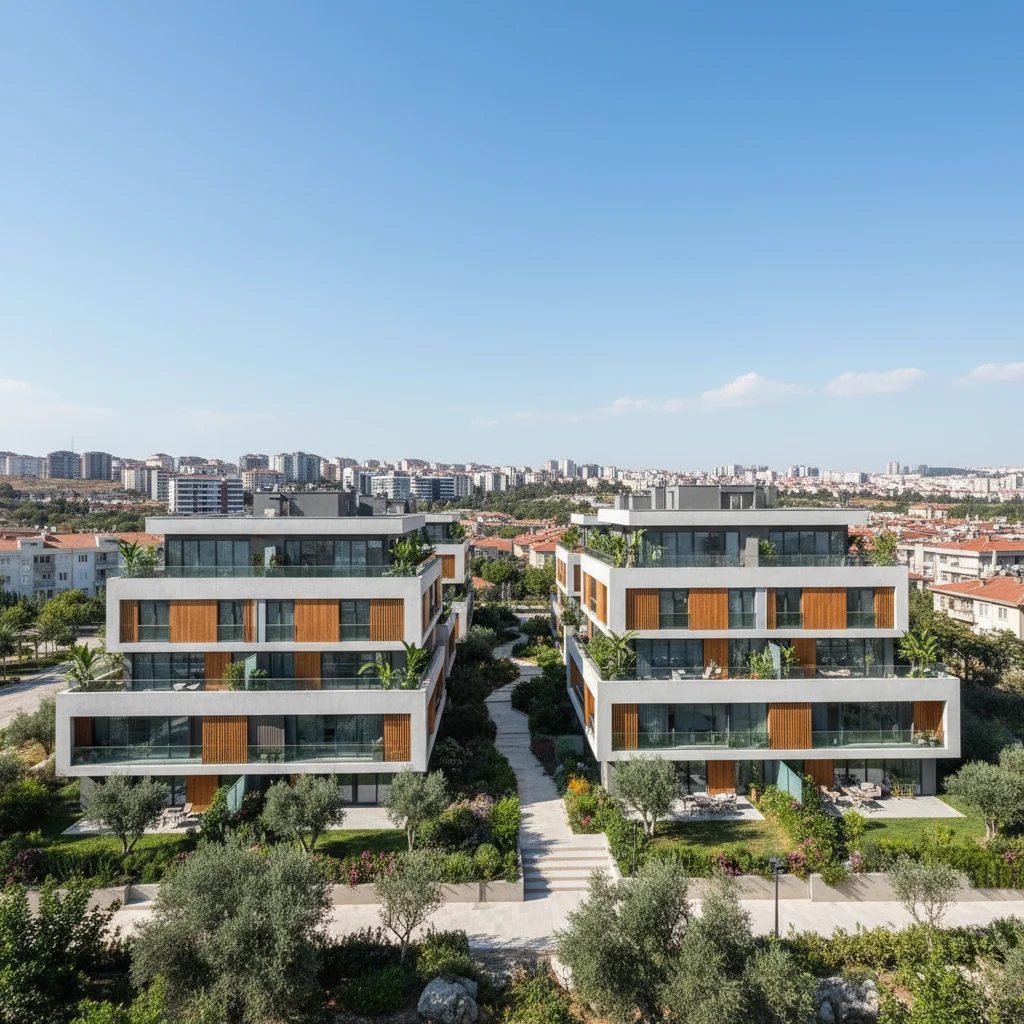
Industry experts predict continued growth in Turkey's secondary cities, driven by urbanization trends, government infrastructure investments, and increasing affordability pressures in major cities.
While secondary cities offer attractive opportunities, investors should consider factors such as liquidity, local economic dependency, and potential market volatility compared to established metropolitan markets.
Turkey's secondary cities represent exceptional value propositions for property investors in 2026. With careful market selection, thorough due diligence, and appropriate investment strategies, these markets offer the potential for strong returns and portfolio diversification.
Information sourced from Emlak Platform and Mbany Real Estate