US Dollar - USD
- Turkish Lira - TRY
- US Dollar - USD
- Euro - EUR
- Pound sterling - GBP
- Russian Ruble - RUB
- Chinese Yuan - CNY
- Georgian lari - GEL
- Saudi Riyal - SAR
- UAE Dirham - AED
- Syrian Pound - SYP
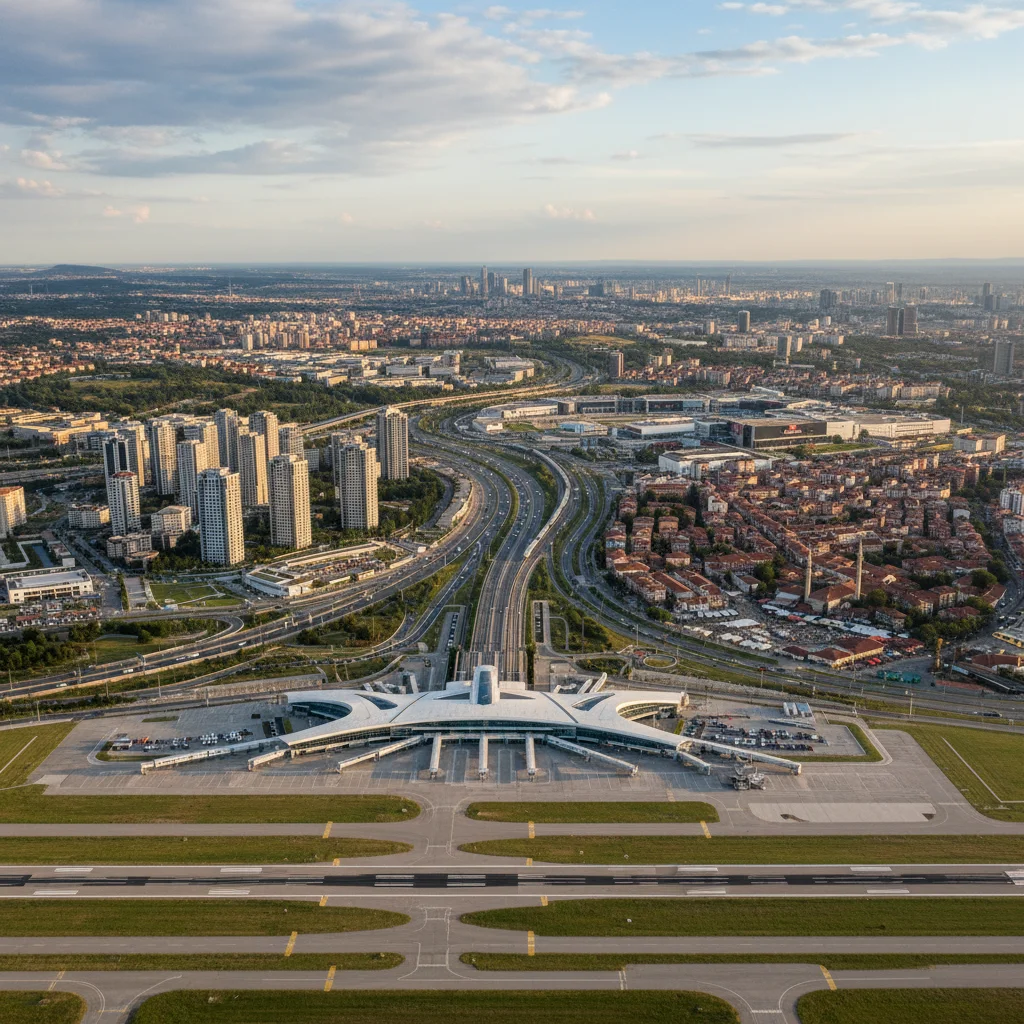
Istanbul's urban footprint has undergone a structural shift over the past decade, moving away from solely congested historic centers toward high-capacity, master-planned corridors in the northern and northwestern parts of the city. At the heart of this transformation sits Istanbul Airport (IST), one of the largest aviation hubs in the world. By 2026, the surrounding districts have matured from speculative peripheral zones into thriving residential, commercial, and logistics ecosystems backed by high-speed rail, multi-lane expressways, and modern municipal infrastructure.
For international property buyers, corporate tenants, and investors targeting Turkish citizenship by investment or long-term capital appreciation, understanding the nuances between the various districts near Istanbul Airport is essential. Not every neighborhood offers the same balance of rental liquidity, zoning security, and lifestyle amenities. This guide breaks down the top-performing areas near the airport in 2026, complete with practical buying frameworks, legal thresholds, and asset management strategies.
Historically, proximity to an airport meant tolerating industrial noise and isolated commutes. Istanbul broke that mold through deliberate urban planning. The northern corridor was engineered to serve not only travelers and airline crews, but also white-collar professionals, medical tourists, and affluent families seeking larger residences, green spaces, and earthquake-resilient construction built under post-2000 and 2018 Turkish seismic regulations.
Three structural drivers continue to support property values around Istanbul Airport in 2026:
Looking for the best real estate investment opportunity in Istanbul?
We help you choose the right property based on your budget and goals
Get a Free Consultation
When evaluating areas close to Istanbul Airport, buyers generally choose between five core European-side districts—each catering to a distinct budget tier and investment horizon—along with a notable Asian-side alternative near Sabiha Gökçen Airport for comparison.
Geographically, Istanbul Airport sits within the administrative boundaries of Arnavutköy. Once a quiet semi-rural district dotted with lakes and forests, Arnavutköy has become the focal point of northern Istanbul's expansion. In 2026, it remains the most direct gateway for investors looking for early-to-mid-cycle appreciation.
Arnavutköy sits immediately south and west of the airport runways, with travel times to the terminal ranging from 8 to 18 minutes depending on the neighborhood. Stations along the M11 metro line and direct ramps onto the North Marmara Motorway (Kuzey Marmara Otoyolu) allow residents to bypass inner-city bottlenecks entirely when heading toward Maslak, Levent, or the Yavuz Sultan Selim Bridge.
The housing inventory in Arnavutköy is split between low-rise residential complexes in the town center (Merkez, Taşoluk, Hadımköy) and expansive land parcels zoned for future residential or commercial development. Entry prices per square meter remain notably lower than in neighboring Başakşehir or Eyüpsultan, making Arnavutköy attractive for medium-budget buyers and investors targeting capital growth over immediate luxury rental yields. However, buyers must carefully verify municipal zoning status, as agricultural plots (tarla) are frequently marketed alongside legally zoned residential land (arsa).
Directly south of Arnavutköy lies Başakşehir, widely regarded as one of Istanbul's best-organized modern municipalities. Built around wide boulevards, manicured public parks, and large-scale residential compounds, Başakşehir is a premier choice for expatriate families, conservative professionals, and long-term investors prioritizing liquidity.
Başakşehir anchors several major civic landmarks, including Çam and Sakura City Hospital—one of Europe's largest medical complexes—alongside Ibn Haldun University, the Atatürk Olympic Stadium, and the expansive Millet Bahçesi (People's Garden). Reaching Istanbul Airport from neighborhoods like Kayaşehir or Başakşehir Merkez takes roughly 20 to 25 minutes by car or via metro connections.
Unlike transient studio-heavy districts, Başakşehir specializes in spacious 2+1, 3+1, and 4+1 apartments inside gated compounds (site) equipped with 24-hour security, indoor pools, gyms, and playgrounds. Because tenants tend to be established families and medical professionals who sign multi-year leases, vacancy rates are remarkably low. Properties in reputable developments here also hold strong resale liquidity in the domestic Turkish market, an important factor when planning an exit strategy after the citizenship holding period expires.
For buyers seeking an upscale lifestyle without sacrificing airport convenience, the northern neighborhoods of Eyüpsultan—specifically Göktürk and Kemerburgaz—represent the gold standard. Located roughly 15 to 20 minutes southeast of Istanbul Airport, these affluent enclaves border the protected Belgrad Forest and are connected to both the airport and central Şişli/Gayrettepe via the M11 metro.
Göktürk and Kemerburgaz feel worlds apart from Istanbul's dense concrete core. Tree-lined streets, boutique cafes, equestrian clubs, international schools, and golf facilities attract C-suite executives, diplomats, media figures, and wealthy families. Strict height limits keep buildings low-rise, preserving neighborhood character and sunlight.
Because developable land around Belgrad Forest is tightly restricted, new supply in Göktürk and Kemerburgaz remains constrained. Luxury garden duplexes, boutique apartments, and detached villas command premium prices per square meter, often rivaling Bosphorus-adjacent neighborhoods. While gross percentage yields may look slightly more modest due to high acquisition costs, capital preservation, tenant quality, and hard-currency valuation resilience are among the strongest in northern Istanbul.
Lying slightly southwest of Başakşehir—administratively split between Başakşehir and Avcılar—Bahçeşehir and its adjoining Ispartakule corridor have long been favored by middle-to-upper-middle-class households. Travel time to Istanbul Airport averages 30 to 35 minutes via the North Marmara Motorway link roads.
Known as the "Garden City," Bahçeşehir revolves around Gölet Park, international schools, shopping malls, and established medical clinics. Ispartakule offers newer high-rise residential towers with slightly more accessible entry prices and strong access to the TEM Highway. For buyers working with mid-range budgets who want turnkey compound living and established community infrastructure, Bahçeşehir remains a dependable option in 2026.
West of Arnavutköy, Büyükçekmece offers Marmara Sea coastlines, lakeside views, and large villa compounds around Alkent 2000 and Karaağaç, roughly 35 to 45 minutes from Istanbul Airport. Further west, Çatalca provides sprawling green estates, equestrian farms, and weekend retreats within 30 to 40 minutes of the terminal. These districts suit lifestyle buyers, retirees, and high-net-worth individuals looking for land area and privacy rather than high-frequency urban transit.
While "areas near the airport" in Istanbul real estate primarily refers to Istanbul Airport (IST) on the European side, investors occasionally compare Sabiha Gökçen Airport (SAW) on the Asian side. In Pendik—particularly the Kurtköy and Yenişehir neighborhoods—modern residential complexes sit just 5 to 10 minutes from SAW, adjacent to the Teknopark Istanbul innovation hub and Sabancı University. Kurtköy offers lower entry prices than Göktürk and attracts tech engineers, aerospace staff, and domestic commuters, making it a compelling secondary option for portfolio diversification.
The table below summarizes how the primary districts near Istanbul Airport compare across transit time, property profile, price tier, and buyer suitability in 2026.
| District / Neighborhood | Drive Time to IST Airport | Primary Property Types | Price Tier (2026) | Ideal Buyer Profile |
|---|---|---|---|---|
| Arnavutköy | 8 – 18 mins | Mid-rise apartments, zoned land plots, logistics hubs | Entry to Mid | Long-term growth investors, aviation professionals |
| Başakşehir (Kayaşehir / Merkez) | 20 – 25 mins | Gated family compounds (2+1 to 4+1), commercial units | Mid to Upper-Mid | Families, citizenship investors, stable-yield buyers |
| Eyüpsultan (Göktürk / Kemerburgaz) | 15 – 20 mins | Low-rise luxury apartments, boutique villas, duplexes | Premium / Luxury | Executives, lifestyle buyers, capital preservation |
| Bahçeşehir & Ispartakule | 30 – 35 mins | Master-planned gated towers, villas around Gölet | Mid | Families, commuters, mid-budget residency buyers |
| Büyükçekmece & Çatalca | 30 – 45 mins | Detached villas, coastal residences, large estates | Mid to Luxury | Privacy seekers, retirees, spacious villa buyers |
| Pendik / Kurtköy (Near SAW) | 5 – 10 mins (to SAW) | Modern serviced flats, family sites near Teknopark | Entry to Mid | Tech professionals, Asian-side yield investors |
Real estate acquisition near Istanbul Airport is closely intertwined with Turkey's immigration and citizenship frameworks. In 2026, buyers must distinguish carefully between the requirements for Turkish Citizenship by Investment and a standard Property Residence Permit (İkamet).
Under current regulations, foreign nationals can apply for Turkish citizenship for themselves, their spouse, and unmarried children under 18 by purchasing real estate worth at least $400,000 USD. Because single-unit apartments in Arnavutköy or Başakşehir may fall below this threshold individually, many buyers combine two residential units or pair a residence with a commercial shop to reach the required amount. Key compliance rules include:
For investors who do not require citizenship and instead want a renewable short-term residence permit tied to homeownership, the property's appraised and declared value must be at least $200,000 USD nationwide. Furthermore, Turkish immigration authorities maintain a list of "closed neighborhoods" (kapalı mahalleler) where foreign population density has exceeded 20%. Before paying a reservation deposit in popular pockets of Başakşehir, Avcılar, or Büyükçekmece, buyers should confirm that the exact mahalle is open for new foreign residency registrations.
Looking for the best real estate investment opportunity in Istanbul?
We help you choose the right property based on your budget and goals
Get a Free Consultation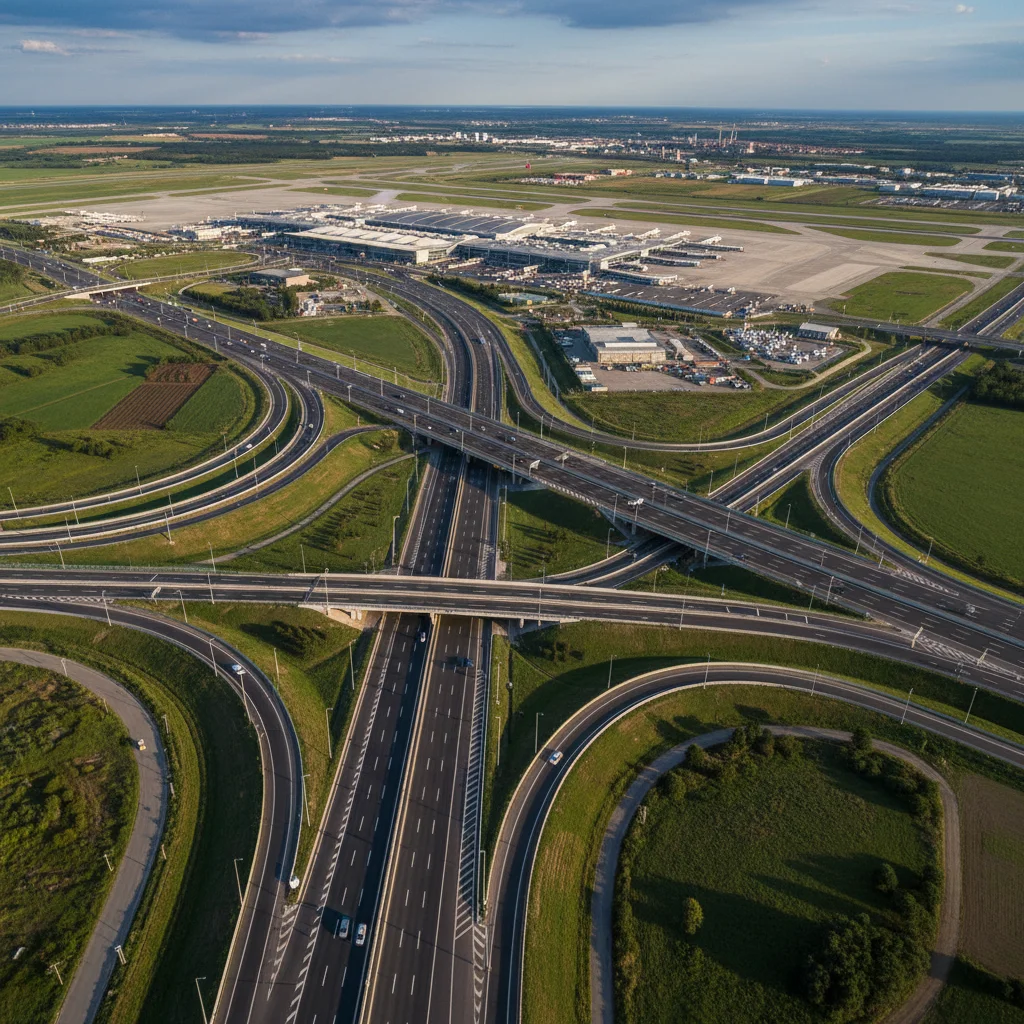
Purchasing real estate in Turkey is straightforward when handled methodically, typically taking one to three weeks for ready-to-move title deeds. Skipping legal checks, however, can create costly disputes around occupancy permits or developer debt.
Before signing any reservation agreement, verify these critical legal documents through an independent real estate attorney or licensed consultant:
Buyers should budget approximately 5% to 7% above the negotiated property price to cover statutory closing expenses, plus modest annual carrying costs:
| Expense Item | Estimated Cost (2026) | Frequency |
|---|---|---|
| Title Deed Transfer Tax (Tapu Harcı) | 4% of declared property value (customarily split or negotiated) | One-time at purchase |
| SPK Appraisal & Döner Sermaye Fees | $450 – $900 USD equivalent | One-time at purchase |
| Sworn Translator & Legal Counsel | $150 (translator) / 1%–1.5% (optional independent lawyer) | One-time at purchase |
| Compulsory Earthquake Insurance (DASK) | $50 – $150 USD depending on square meters | Annual |
| Municipal Property Tax (Emlak Vergisi) | 0.2% of municipal assessed value (metropolitan districts) | Annual (two installments) |
| Complex Maintenance Fee (Aidat) | $50 – $250+ USD depending on site amenities | Monthly (usually paid by tenant) |
Acquiring the right apartment or villa is only half the equation; disciplined property management determines net return on investment (ROI), especially for overseas landlords who do not reside in Turkey full-time.
Proximity to Istanbul Airport naturally tempts landlords toward short-term vacation or transit rentals. However, Turkey's Short-Term Tourism Rental Law (Law No. 7464) requires any lease under 100 days to hold a Ministry of Culture and Tourism license—which in multi-unit apartment buildings demands unanimous written consent from every homeowner in the building. Unless you are buying in a dedicated hotel-serviced residence with commercial licensing, obtaining unanimous consent in a 300-unit family compound is practically impossible.
Consequently, most savvy investors near Istanbul Airport focus on:
Turkish tenancy law provides strong protections for sitting tenants, including statutory caps on annual rent renewals tied to official inflation indices (CPI/TÜFE) and strict eviction procedures. Therefore, rigorous tenant screening before handing over keys is paramount. Professional property managers help overseas owners by verifying employment contracts, collecting security deposits, executing notarized eviction commitments (tahliye taahhütnamesi) where legally appropriate, inspecting the unit between tenancies, and filing annual Turkish rental income tax declarations every March.
Fast-growing infrastructure corridors inevitably attract speculative marketing. Keep these four safeguards in mind before committing capital:
Başakşehir (particularly Kayaşehir and Merkez) and Göktürk consistently deliver the strongest occupancy rates. Başakşehir benefits from year-round demand tied to Çam and Sakura City Hospital and family compounds, while Göktürk attracts high-income executives seeking rapid M11 metro access to both the airport and Levent/Gayrettepe.
Yes. Provided the property has clean zoning, an independent SPK valuation confirming a total value of at least $400,000 USD, and follows Central Bank currency conversion procedures (DAB), residential or commercial real estate in any open district near Istanbul Airport qualifies for Turkish citizenship by investment. Buyers may combine multiple units under one application to meet the threshold.
Modern acoustic planning and runway orientations keep flight paths largely clear of Başakşehir, Göktürk, and Bahçeşehir. Even within Arnavutköy, residential zones positioned away from the immediate northern coastal approach paths experience minimal disruption, especially in newer developments built with double- or triple-glazed acoustic windows.
Thanks to the M11 high-speed metro line, passengers travel from Istanbul Airport or Göktürk to Gayrettepe (connecting to the M2 line toward Taksim, Levent, and Maslak) in roughly 25 to 30 minutes. By car via the North Marmara Motorway and O-7 connectors, reaching business hubs on the European side takes 30 to 45 minutes outside peak rush hours.
Note: The market insights, legal thresholds, and neighborhood analyses in this article were sourced from Emlak Platform, Mbany Real Estate, and Massar Istanbul.