.png)
US Dollar - USD
- Turkish Lira - TRY
- US Dollar - USD
- Euro - EUR
- Pound sterling - GBP
- Russian Ruble - RUB
- Chinese Yuan - CNY
- Georgian lari - GEL
- Saudi Riyal - SAR
- UAE Dirham - AED
Real estate investment represents one of the most stable and profitable wealth-building strategies available to investors in 2026. Unlike volatile stock markets, property investment offers tangible assets that typically appreciate over time while generating consistent rental income. This comprehensive guide explores every aspect of successful real estate investing, from basic principles to advanced strategies.
Real estate investment involves purchasing, owning, managing, renting, or selling properties for profit. Investors can generate returns through rental income, property appreciation, or both. The key advantage lies in real estate's dual income potential and its hedge against inflation.
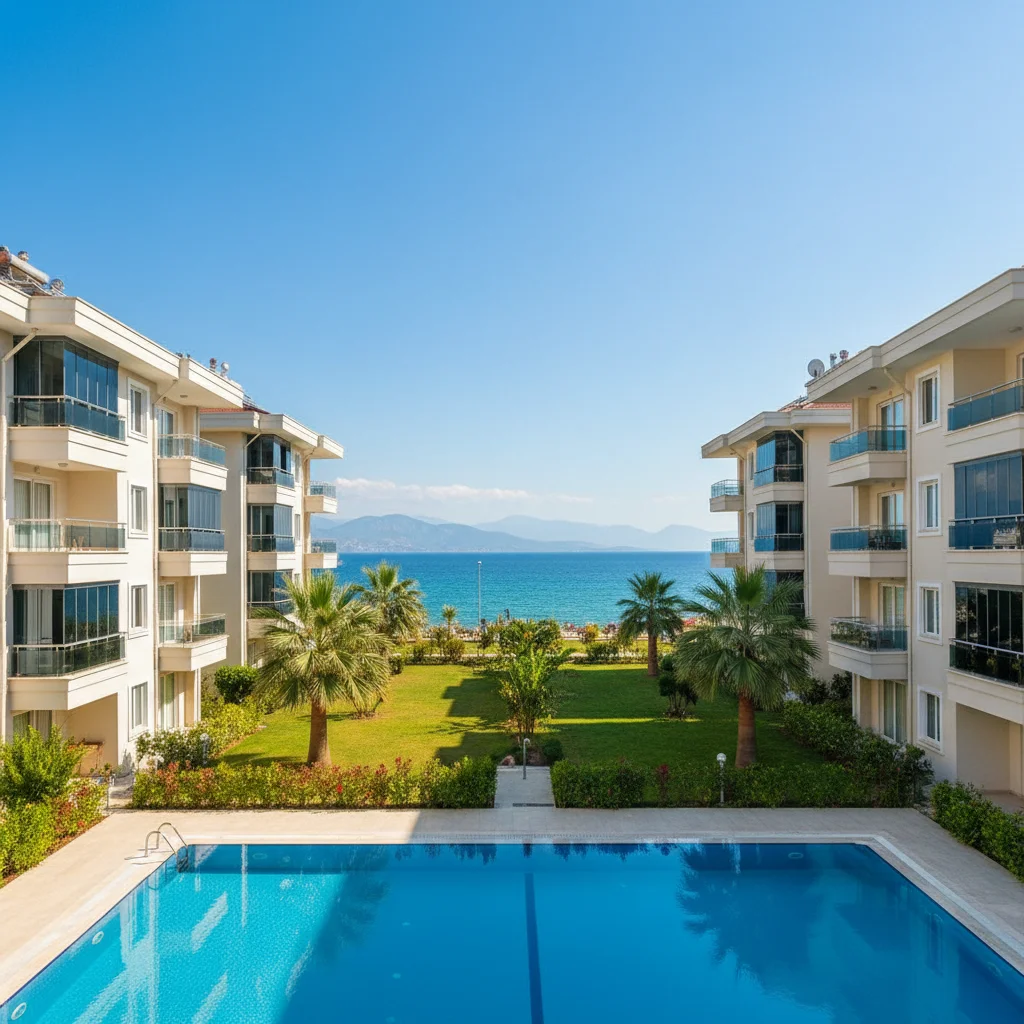
Residential properties remain the most popular choice for new investors due to their accessibility and steady demand. This category includes:
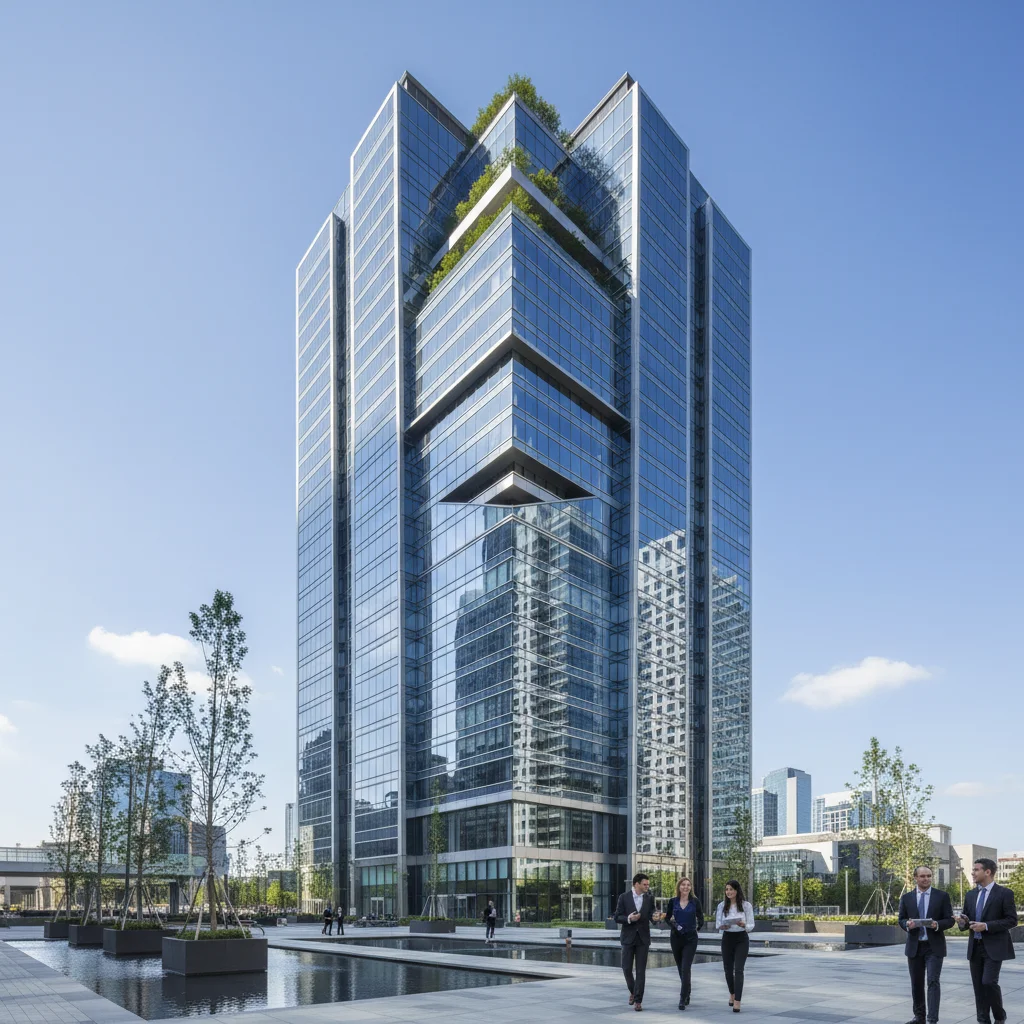
Commercial properties typically offer higher returns but require larger initial investments:
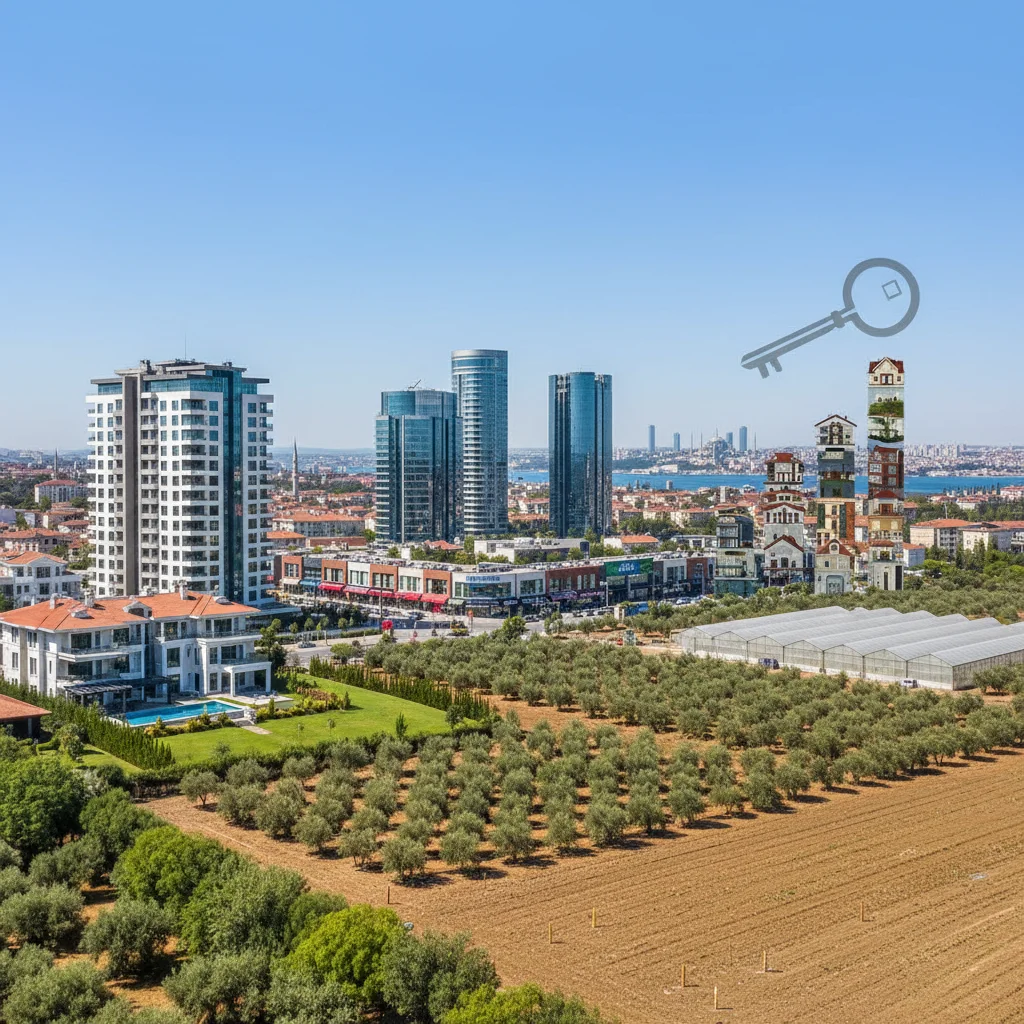
Agricultural land investment offers unique advantages including tax benefits and food security hedging:
The fundamental rule "location, location, location" remains paramount in 2026. Key factors include:
Successful real estate investment requires thorough financial planning:
| Financial Metric | Target Range | Importance |
|---|---|---|
| Cap Rate | 6-12% | Measures property profitability |
| Cash Flow | Positive | Ensures monthly profitability |
| Debt-to-Income Ratio | Below 28% | Maintains financial stability |
| ROI | 8-15% | Overall investment performance |
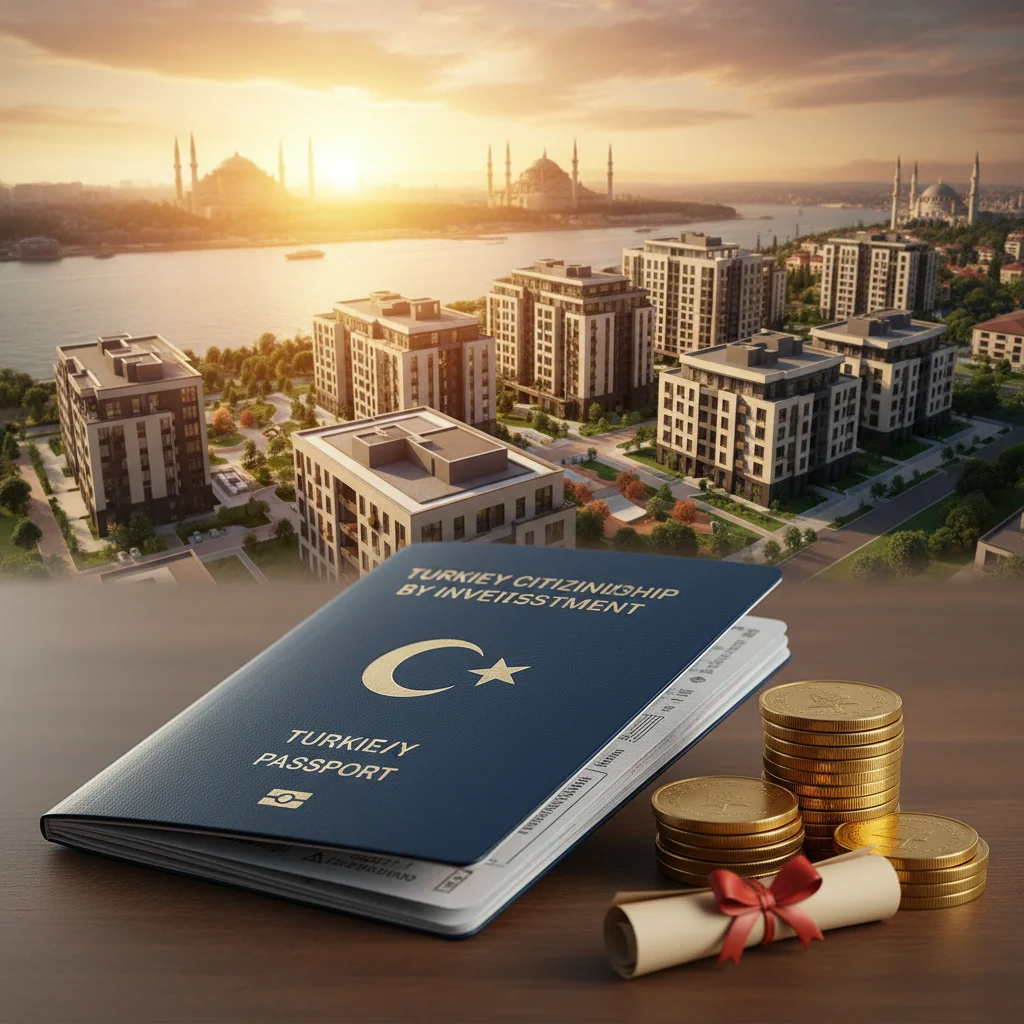
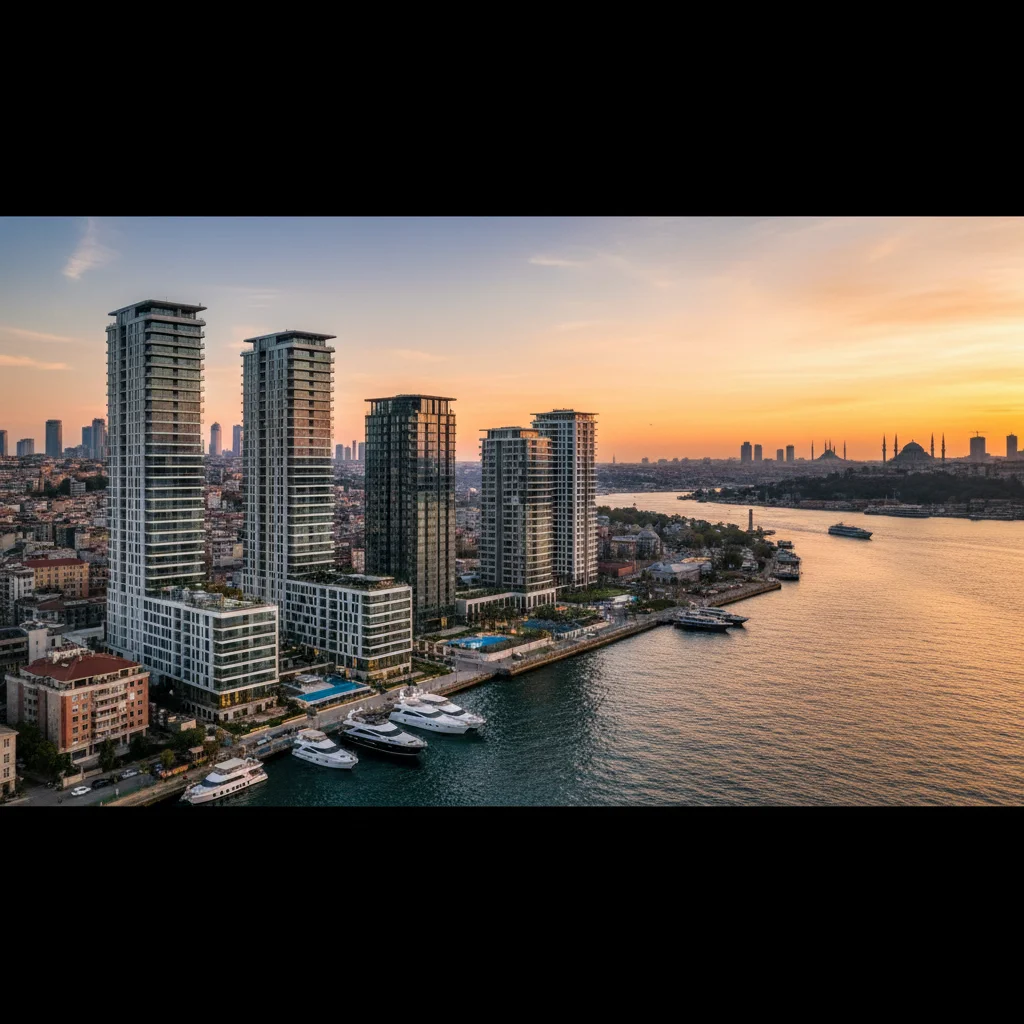
Turkey's real estate market has emerged as a premier destination for international investors in 2026. The country offers exceptional opportunities due to its strategic location, growing economy, and investor-friendly policies.
Turkey's economic capital offers diverse investment opportunities from luxury apartments to commercial properties. Key districts include Beyoğlu, Şişli, and Kadıköy.
Mediterranean coastline properties perfect for vacation rentals and retirement investments.
Political capital with stable rental demand from government employees and diplomats.
Professional property management is crucial for maximizing returns:
Increase property value through strategic improvements:
Spread risk across different property types and locations:
Strategic selling maximizes overall portfolio performance:
PropTech innovations are reshaping real estate investment in 2026:
Green building certifications and energy efficiency are becoming essential for competitive returns and regulatory compliance.
Real estate investment remains a cornerstone of wealth building in 2026, offering multiple pathways to financial success. Whether investing in residential apartments, commercial offices, or agricultural land, success depends on thorough market research, strategic planning, and professional management. Turkey's emerging market presents particularly attractive opportunities for international investors seeking growth and diversification.
The key to successful real estate investment lies in understanding local markets, maintaining adequate cash reserves, and adapting to changing market conditions. With proper due diligence and strategic planning, real estate investment can provide both immediate cash flow and long-term wealth accumulation.
Information sourced from Emlak Platform - emlakplatform.com.tr and Mbany Real Estate - mbany.com