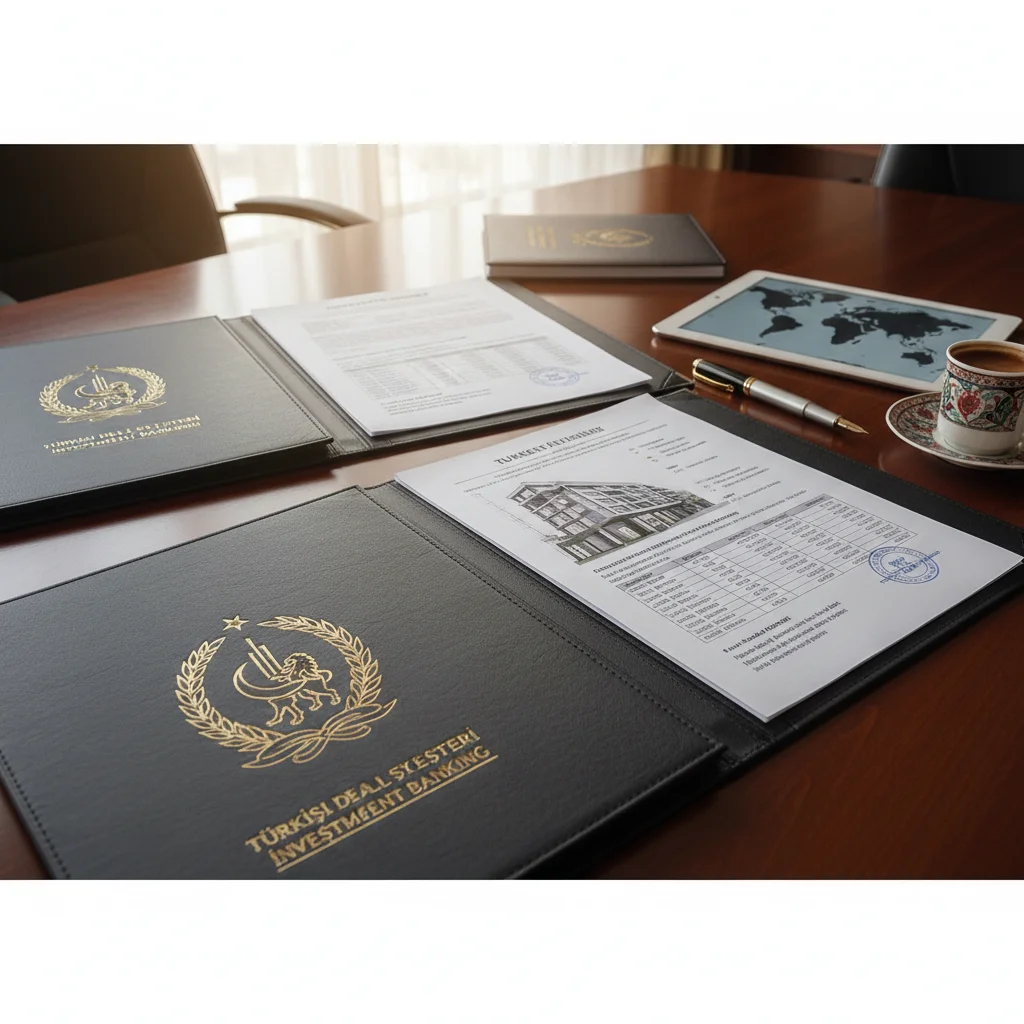
Foreign Property Purchase Requirements in Turkey: Complete Guide 2026
How Can We Help You?
Recent Articles
21-10-2026
20-10-2026
19-10-2026
05-09-2026
Foreign Property Purchase Requirements in Turkey: Complete Guide 2026
Understanding Foreign Property Ownership Laws in Turkey
Turkey has established itself as one of the most attractive destinations for foreign real estate investment, offering favorable conditions and streamlined procedures for international buyers. The Turkish government has implemented comprehensive legislation that facilitates property acquisition by foreign nationals while maintaining necessary security measures and legal frameworks.
The legal foundation for foreign property ownership in Turkey stems from the Land Registry Law and various amendments that have progressively liberalized the market. These regulations create a transparent and secure environment for international investors, making Turkey one of the few countries in the region that allows full ownership rights to foreign nationals.
Key Legislative Framework
The primary legislation governing foreign property ownership includes the Land Registry Law No. 2644, the Turkish Citizenship Law, and various ministerial regulations. These laws have been updated multiple times to attract foreign investment and simplify the acquisition process for international buyers.
Foreign nationals can acquire property rights similar to Turkish citizens, including full ownership (freehold) rights. This means foreign owners can sell, rent, mortgage, or transfer their properties without significant restrictions, subject to certain conditions and geographical limitations.
Eligibility Criteria for Foreign Property Buyers
Nationality Requirements
Most foreign nationals are eligible to purchase property in Turkey, with some exceptions based on reciprocity principles. The Turkish government maintains a positive list of countries whose citizens can acquire real estate, while certain nationalities face restrictions or prohibitions.
Citizens from EU countries, the United States, Canada, Australia, and most developed nations generally face no restrictions. However, potential buyers should verify their specific nationality status with Turkish authorities or qualified legal professionals before proceeding with any purchase.
Age and Legal Capacity
Foreign buyers must be at least 18 years old and possess full legal capacity according to their home country's laws. Married couples can purchase property jointly, and corporate entities can also acquire real estate subject to additional requirements and documentation.
Minors can inherit or receive property through legal guardianship arrangements, but direct purchases require adult legal representation and court approvals in most cases.
Looking for the best real estate investment opportunity in Istanbul?
We help you choose the right property based on your budget and goals
Foreign nationals cannot purchase property in designated military zones, security areas, or strategic locations as determined by the Turkish Ministry of National Defense and Interior Ministry. These restrictions typically apply to border regions, military installations, and certain coastal areas.
Additionally, properties in some rural agricultural areas may require special permits or face complete restrictions depending on the specific location and intended use of the land.
Property Size Restrictions
Foreign individuals and entities face specific limitations on the total amount of land they can own:
Individual foreign nationals: Maximum 30 hectares (approximately 74 acres) per person
Foreign companies: Subject to additional restrictions and approval processes
Combined foreign ownership in any single village or neighborhood cannot exceed 10% of the total area
No restrictions on apartment or condominium purchases in terms of size
These limitations ensure that foreign ownership doesn't dominate local real estate markets while still allowing substantial investment opportunities.
Required Documentation and Legal Procedures
Essential Documents for Purchase
Foreign buyers must prepare comprehensive documentation to complete a property purchase in Turkey. The required documents include:
Personal Documentation
Valid passport with at least 6 months remaining validity
Turkish tax number (obtained from local tax offices)
Apostilled birth certificate translated into Turkish
Marriage certificate (if applicable) with apostille and Turkish translation
Proof of financial capacity and source of funds
Property-Related Documents
Property valuation report from approved institutions
Title deed verification and ownership history
Municipal compliance certificates
Property insurance documentation
Survey reports and technical assessments
Legal Approval Process
The property acquisition process involves several mandatory steps and approvals:
Step
Authority
Timeline
Requirements
Initial Application
Land Registry Office
1-2 days
Complete documentation package
Military Clearance
Ministry of Defense
30-45 days
Security background check
Final Registration
Land Registry Office
1-3 days
Payment of fees and taxes
Financial Requirements and Investment Thresholds
Minimum Investment Amounts
Turkey has established minimum investment thresholds for foreign property purchases, particularly for those seeking citizenship benefits. As of 2026, the minimum property investment amount for Turkish citizenship eligibility is $400,000, with specific conditions regarding the holding period and property types.
For standard property purchases without citizenship considerations, no minimum investment amount applies, allowing foreign buyers to purchase properties of any value that meet their needs and budget constraints.
Payment Methods and Currency Regulations
Foreign buyers must comply with Turkish currency regulations and payment procedures:
Acceptable Payment Methods
International bank transfers from foreign accounts
Turkish lira payments from Turkish bank accounts
Certified bank checks from recognized financial institutions
Documentary credits and letters of credit for large transactions
Currency Exchange Requirements
All property transactions must be conducted in Turkish lira, requiring foreign currency conversion through authorized banks or exchange offices. Buyers should maintain detailed records of currency exchange transactions for legal and tax purposes.
The Turkish Central Bank requires documentation of fund sources for amounts exceeding certain thresholds, ensuring compliance with anti-money laundering regulations and international financial standards.
Looking for the best real estate investment opportunity in Istanbul?
We help you choose the right property based on your budget and goals
Foreign property buyers face several tax obligations during and after the acquisition process:
Title Deed Transfer Tax
Rate: 4% of the official property value (2% each for buyer and seller)
Calculated based on municipal valuation or transaction price, whichever is higher
Paid at the time of title deed transfer
Non-negotiable government fee
Value Added Tax (VAT)
New properties: 18% VAT on purchase price
Used properties: Generally VAT-exempt
Commercial properties: Subject to VAT regardless of age
Luxury properties: May face additional VAT considerations
Ongoing Tax Responsibilities
Property ownership in Turkey creates ongoing tax obligations for foreign owners:
Annual Property Tax
Residential properties: 0.1-0.3% of property value annually
Commercial properties: 0.2-0.6% of property value annually
Calculated based on municipal assessments
Payable in two installments (May and November)
Income Tax on Rental Income
Foreign property owners earning rental income must comply with Turkish income tax regulations, with rates varying based on income levels and property types. Professional tax advice is recommended for optimizing tax obligations while ensuring full compliance.
Legal Representation and Professional Services
Mandatory Legal Requirements
While not legally required in all cases, engaging qualified legal representation is strongly recommended for foreign property buyers. Turkish law allows buyers to complete transactions independently, but the complexity of regulations and documentation makes professional assistance valuable.
Recommended Professional Services
Licensed Turkish attorneys specializing in real estate law
Certified public accountants for tax planning and compliance
Licensed real estate agents with foreign buyer experience
Professional translators for document preparation
Property valuation experts and surveyors
Power of Attorney Arrangements
Foreign buyers who cannot be present in Turkey during the purchase process can establish power of attorney arrangements, allowing designated representatives to complete transactions on their behalf. These arrangements must be properly notarized and apostilled in the buyer's home country.
Property Types and Investment Options
Residential Property Categories
Foreign buyers can invest in various residential property types throughout Turkey:
Apartment and Condominium Units
No size or value restrictions for foreign buyers
Full ownership rights including common areas
Eligible for citizenship investment programs
Strong rental market potential in major cities
Detached Houses and Villas
Subject to land size restrictions (maximum 30 hectares total)
Popular in coastal and resort areas
Higher investment thresholds typically required
Excellent appreciation potential in prime locations
Commercial Property Investments
Foreign investors can also acquire commercial properties, including office buildings, retail spaces, hotels, and industrial facilities. Commercial property purchases often involve additional regulatory requirements and may require specific business licenses or permits.
Citizenship and Residency Benefits
Turkish Citizenship by Investment
Foreign property buyers investing minimum amounts can qualify for Turkish citizenship through the Citizenship by Investment program. Current requirements include:
Investment Criteria
Minimum $400,000 property investment
Three-year holding period restriction
Properties must meet valuation requirements
Investment can include multiple properties
Application Process
The citizenship application involves background checks, document verification, and approval by relevant Turkish authorities. Processing times typically range from 3-6 months for complete applications meeting all requirements.
Residency Permit Benefits
Property ownership facilitates obtaining Turkish residency permits, providing long-term residence rights and access to various social services. Residency permits can lead to permanent residence status and eventual citizenship eligibility through naturalization.
Market Trends and Investment Considerations
Current Market Dynamics
The Turkish real estate market continues evolving with changing economic conditions, government policies, and international investment flows. Foreign buyers should consider market timing, location selection, and long-term investment strategies when making purchase decisions.
Popular Investment Locations
Istanbul: Largest market with diverse opportunities
Antalya: Popular coastal destination with tourism potential
Ankara: Capital city with stable government sector demand
Bursa: Industrial center with growing residential market
Izmir: Major port city with strong economic fundamentals
Future Market Outlook
Turkey's strategic location, growing economy, and government support for foreign investment create positive long-term prospects for real estate investment. However, buyers should conduct thorough market research and consider professional advice before making significant investments.
Common Challenges and Solutions
Documentation and Bureaucratic Processes
Foreign buyers often face challenges navigating Turkish bureaucracy and documentation requirements. Working with experienced local professionals and allowing adequate time for processing can help minimize delays and complications.
Language and Cultural Barriers
Language differences and cultural unfamiliarity can create communication challenges during property transactions. Engaging bilingual professionals and taking time to understand local customs and practices improves transaction success rates.
Risk Management and Due Diligence
Property Verification Procedures
Thorough due diligence is essential for foreign property buyers to avoid legal complications and financial losses:
Title and Ownership Verification
Complete title deed history review
Verification of seller's legal ownership rights
Check for existing liens, mortgages, or legal disputes
Confirmation of property boundaries and descriptions
Technical and Physical Inspections
Professional building surveys and structural assessments
Verification of building permits and compliance certificates
Utility connections and infrastructure assessments
Environmental and geological evaluations when applicable
Legal Risk Mitigation
Foreign buyers should implement comprehensive risk management strategies including title insurance, legal representation, and proper contract structuring to protect their investments and ensure successful transactions.
This comprehensive guide provides foreign nationals with essential information for navigating Turkey's property acquisition requirements. Success in Turkish real estate investment requires careful planning, professional assistance, and thorough understanding of legal and financial obligations.
Information sourced from: Emlak Platform, Mbany Real Estate, and Massar Istanbul.
.png)