.png)
US Dollar - USD
- Turkish Lira - TRY
- US Dollar - USD
- Euro - EUR
- Pound sterling - GBP
- Russian Ruble - RUB
- Chinese Yuan - CNY
- Georgian lari - GEL
- Saudi Riyal - SAR
- UAE Dirham - AED
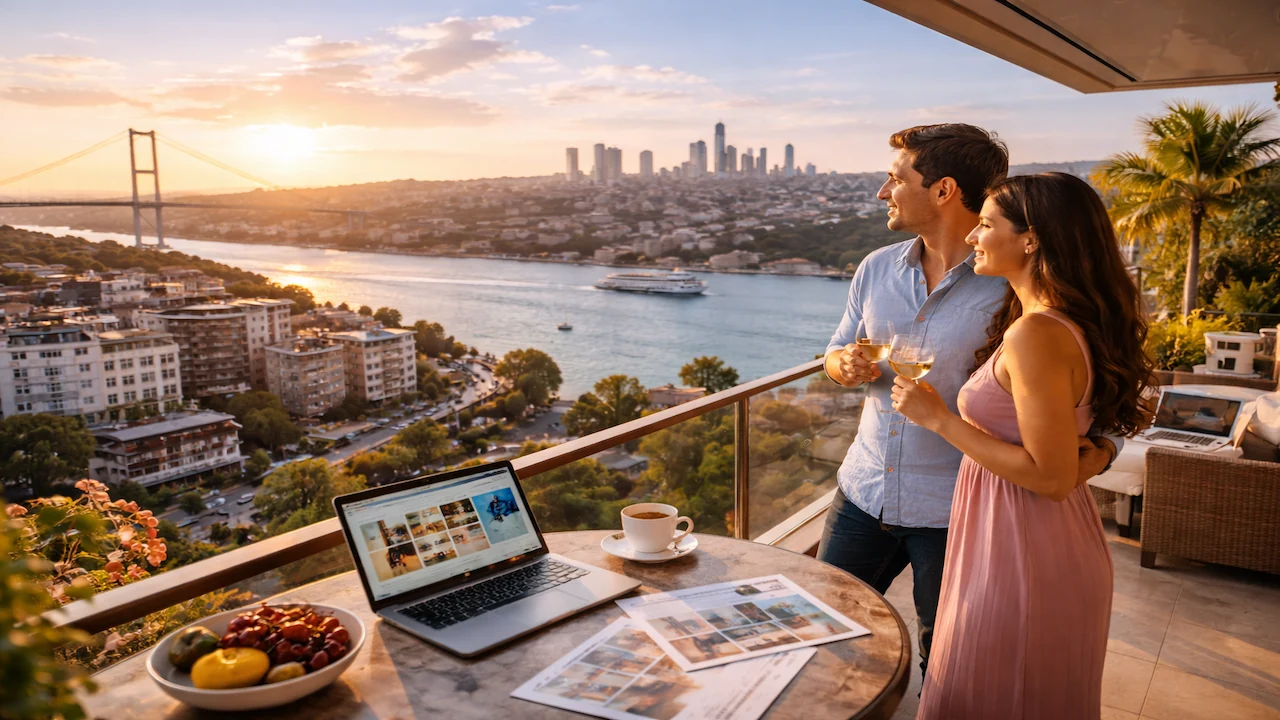
Istanbul has quickly become one of the most appealing international property markets — and for good reason. This vibrant, transcontinental city offers a rare mix of affordability, growth potential, and real legal pathways to both residency and citizenship. For Singaporean investors looking for value beyond saturated markets, Istanbul is more than just a beautiful destination — it’s a strategic financial move.
Whether the goal is to generate passive income, diversify holdings, or secure long-term residency abroad, real estate in Istanbul ticks all the boxes. And with modern payment structures, legal support, and an investor-friendly environment, entering this market is easier than many imagine.
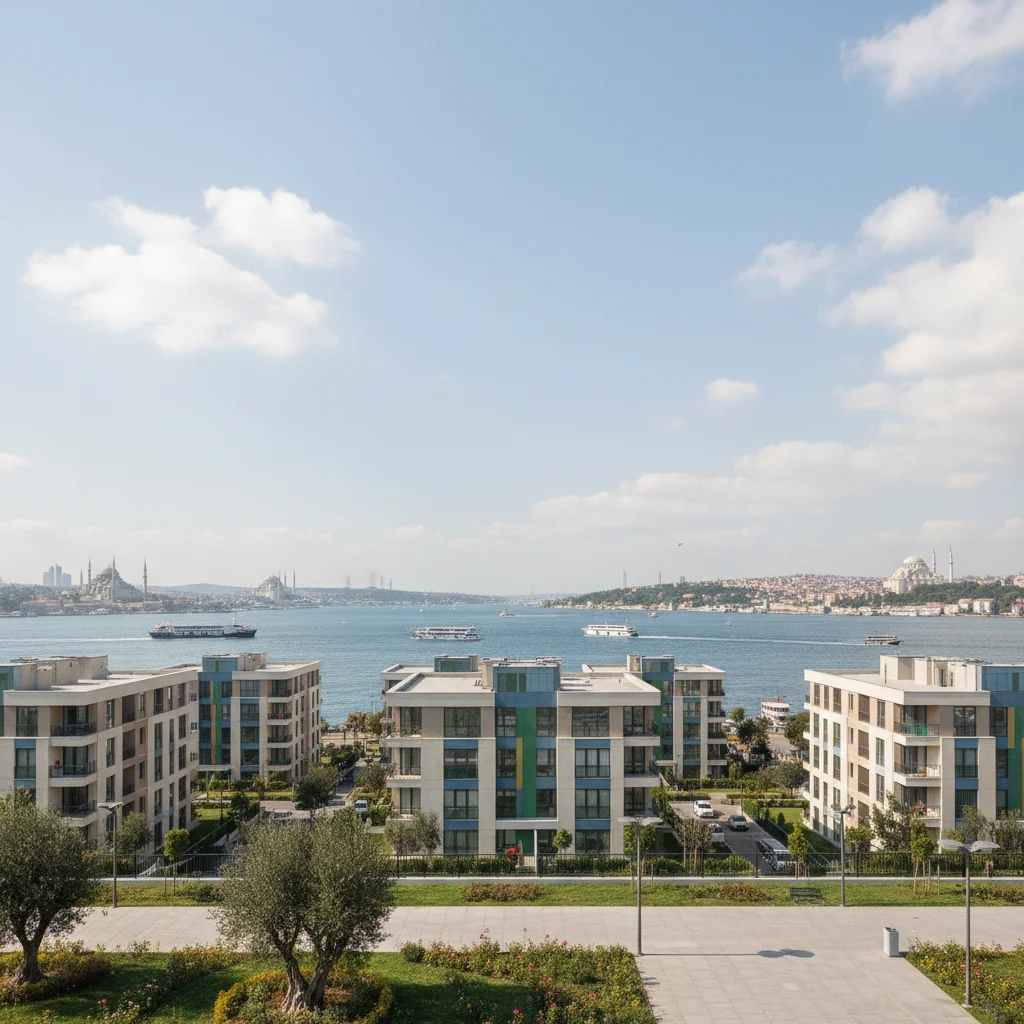
What sets Istanbul apart isn’t just its culture and history — it’s where it sits. Geographically located between Europe and Asia, Istanbul serves as a bridge between continents, attracting global businesses, international tourism, and local migration.
The city is also undergoing massive urban development. New metro lines, high-speed rail, airport expansions, smart city initiatives — these projects aren’t just cosmetic; they’re actively raising the value of surrounding real estate. For investors, this means that the property bought today could be worth significantly more in just a few years.
Coupled with strong local demand for housing, these infrastructure improvements help create a stable, long-term real estate market with strong growth fundamentals.
One of the biggest draws for Singaporean investors is Istanbul’s strong rental potential. Property prices remain lower than in Western capitals, yet tourism, student populations, and corporate travel keep rental demand high.
In particular, short-term rentals in central areas such as Sultanahmet, Taksim, and along the Bosphorus are performing well. Whether listed on platforms like Airbnb or managed locally, these properties can provide steady cash flow and high occupancy — especially during tourist seasons.
Legal frameworks in Turkey allow foreign property owners to rent out their units, making it easy to generate income while retaining full ownership rights.
These are popular for their low maintenance and central locations. Ideal for short-term rentals or long-term tenants, they also qualify for residency if they meet the minimum investment threshold.
These properties offer scenic views, privacy, and space — ideal for investors seeking higher-end markets or qualifying for Turkish citizenship through real estate. While the upfront cost is higher, the long-term capital appreciation can be substantial.
Some investors opt for commercial-residential buildings or serviced residences, which combine rental income with longer-term business opportunities.
These various property types allow investors to align their purchases with their individual goals, whether that’s income, appreciation, lifestyle, or legal residency.
Foreign investors are welcomed in Turkey’s real estate market under clear legal guidelines. Singaporeans can freely purchase property in most regions of Istanbul, with very few restrictions.
A property valued at a minimum of $200,000 can qualify for a renewable residence permit. The permit is typically granted for 1–2 years and can be extended as long as ownership is maintained.
Purchasing real estate worth $400,000 or more qualifies foreign buyers for Turkish citizenship, as long as the property isn’t sold for at least three years. This option appeals to investors looking for greater mobility or a long-term foothold in the region.
Real estate in Istanbul has shown solid appreciation over the past decade. With new developments, increasing urban density, and rising interest from international buyers, values are expected to continue their upward trajectory.
Analysts predict annual growth of 5%–10% in many areas, especially in locations benefiting from new infrastructure or urban renewal projects. For investors buying now, that means a strong potential for capital gains within a few years — especially if targeting up-and-coming neighborhoods that are currently undervalued.
Beyond appreciation, the Istanbul property market offers stability. Unlike speculative real estate bubbles in other parts of the world, the demand in Istanbul is driven by both population growth and genuine housing needs.
Investing in Turkish property is also a smart move for anyone concerned about inflation or currency instability. While the Turkish lira has seen its share of fluctuations, real estate has consistently proven to be a strong hedge in such environments.
For Singaporean investors used to currency stability, Turkish real estate offers a powerful way to balance risk while participating in a fast-growing market.
Short-term rentals in Istanbul remain a strong option for investors looking to earn immediate income. The tourism sector is rebounding, and business travel is back, creating steady demand for temporary accommodations.
This hands-off model allows foreign investors to benefit from daily income without being physically present, and many are seeing impressive ROI from this approach.
For those taking the long view, holding Istanbul real estate for five to ten years can result in significant wealth building. To mitigate risk and balance income streams, many investors adopt a hybrid strategy:
This level of diversification helps investors weather market changes while ensuring consistent value growth.
The most successful investors in Istanbul are the ones who prioritize long-term value over short-term discounts. That means:
The right property doesn’t just perform better — it also simplifies the residency or citizenship application process and holds its value more reliably over time.
Looking ahead, the future for Istanbul’s real estate market looks bright:
These trends point to strong long-term growth — not just in prices, but in lifestyle quality, rental demand, and international desirability.
No market is risk-free, and Istanbul is no exception. Here are some considerations:
Still, with informed decision-making and a solid investment plan, these risks are manageable — and outweighed by the potential gains.
Istanbul offers a rare mix of potential, accessibility, and legal advantages for Singaporeans ready to invest abroad. With the city on a steady growth trajectory and strong demand for housing from both locals and visitors, the opportunities are real — and growing.
Whether you’re after passive income, capital growth, or a second residency, real estate in Istanbul is a door worth opening. With careful planning and the right strategy, it's not just a smart investment — it’s a future-proof one.