.png)
US Dollar - USD
- Turkish Lira - TRY
- US Dollar - USD
- Euro - EUR
- Pound sterling - GBP
- Russian Ruble - RUB
- Chinese Yuan - CNY
- Georgian lari - GEL
- Saudi Riyal - SAR
- UAE Dirham - AED
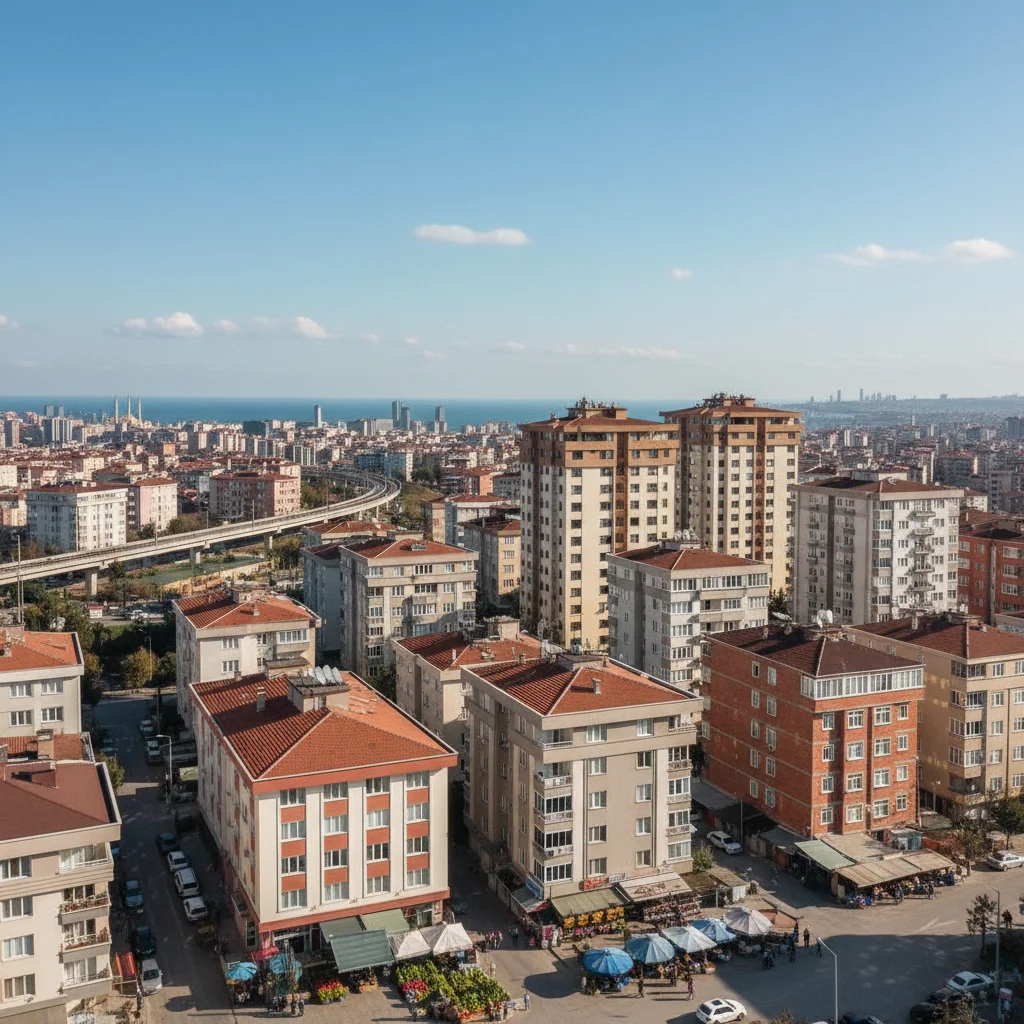
Property investment in Turkey in 2026 continues to attract local and international buyers seeking strong rental demand, competitive prices, and long-term capital growth. With major cities expanding, tourism remaining resilient, and infrastructure improving across key regions, Turkey offers a diverse real estate market for different budgets and investment goals.
For investors focused on yield, lifestyle, or residency-linked opportunities, Turkey remains one of the most practical and strategically located markets between Europe, the Middle East, and Central Asia.

Turkey’s real estate market in 2026 is shaped by urban demand, foreign interest, tourism recovery, and a broad supply of residential and mixed-use developments. While every market has risks, Turkey stands out for buyers who want relatively affordable entry points and exposure to high-demand rental zones.
The best location depends on your strategy: rental yield, capital growth, or lifestyle use. Below is a practical overview of leading markets in 2026.
| City | Investment Strength | Typical Buyer Profile |
|---|---|---|
| Istanbul | High demand, capital growth, diverse rental market | Long-term investors and urban buyers |
| Antalya | Tourism rental income, holiday homes, expat appeal | Short-term rental investors |
| Izmir | Lifestyle market, coastal living, steady demand | Families and medium-term investors |
| Ankara | Stable tenant base, lower entry prices | Yield-focused domestic market buyers |
| Bursa | Industrial economy, value-for-money housing | Buy-and-hold investors |
| Alanya / Bodrum | Seasonal luxury and holiday rental demand | Premium and lifestyle investors |
Istanbul remains the most liquid and internationally recognized property market in Turkey. Districts connected to transport, business hubs, and regeneration projects often deliver stronger long-term performance. Investors typically look for compact apartments, family units, or branded developments in well-connected areas.
Antalya is especially attractive for buyers targeting short-term holiday rentals and second homes. Demand is supported by tourism, international residents, and a broad range of modern apartments near the coast and central districts.
In 2026, rental performance in Turkey varies widely by city, property type, furnishing level, and whether the property is used for short-term or long-term lets. Investors should evaluate net returns rather than headline yield alone.
Properties in central, walkable, and tourism-friendly locations tend to perform better than units in oversupplied peripheral areas. In many cases, professional property management significantly improves occupancy and tenant quality.

Foreign investors can buy property in Turkey, but the process must be handled carefully to ensure legal compliance, title clarity, and transaction security. A reputable lawyer and licensed real estate advisor can reduce risk significantly.
Beyond the purchase price, investors should plan for taxes, fees, and ongoing holding costs. Budgeting accurately protects returns and prevents surprises after closing.
| Cost Item | What It Covers |
|---|---|
| Title deed fee | Official property transfer cost |
| Valuation report | Required market assessment for certain purchases |
| Legal fees | Contract review, due diligence, and representation |
| Agent fee | Brokerage or advisory services, where applicable |
| Annual taxes and dues | Property tax, maintenance, and management expenses |
The best property investment strategy in Turkey depends on your objective. Each option offers different risk and return characteristics.
Suitable for investors seeking steady monthly income in cities with reliable tenant demand.
Best for tourism-led markets, but they require active management, furnishing, and regulatory awareness.
Can offer lower entry prices and potential appreciation, but investors must assess developer credibility and delivery risk.
Ideal for lifestyle buyers and high-end seasonal rental demand, though liquidity may be lower than in central apartment markets.
Smart investing in Turkey means understanding the risks as clearly as the opportunities.
These risks can be managed through due diligence, conservative financing, and a focus on high-demand neighborhoods with strong fundamentals.
Property investment in Turkey in 2026 offers a compelling mix of affordability, demand, and market diversity. The strongest results usually come from disciplined buyers who focus on prime locations, legal due diligence, realistic income assumptions, and long-term value. Whether you are targeting Istanbul apartments, Antalya holiday homes, or stable Ankara rentals, Turkey can still be a smart destination for well-informed real estate investors.