.png)
US Dollar - USD
- Turkish Lira - TRY
- US Dollar - USD
- Euro - EUR
- Pound sterling - GBP
- Russian Ruble - RUB
- Chinese Yuan - CNY
- Georgian lari - GEL
- Saudi Riyal - SAR
- UAE Dirham - AED
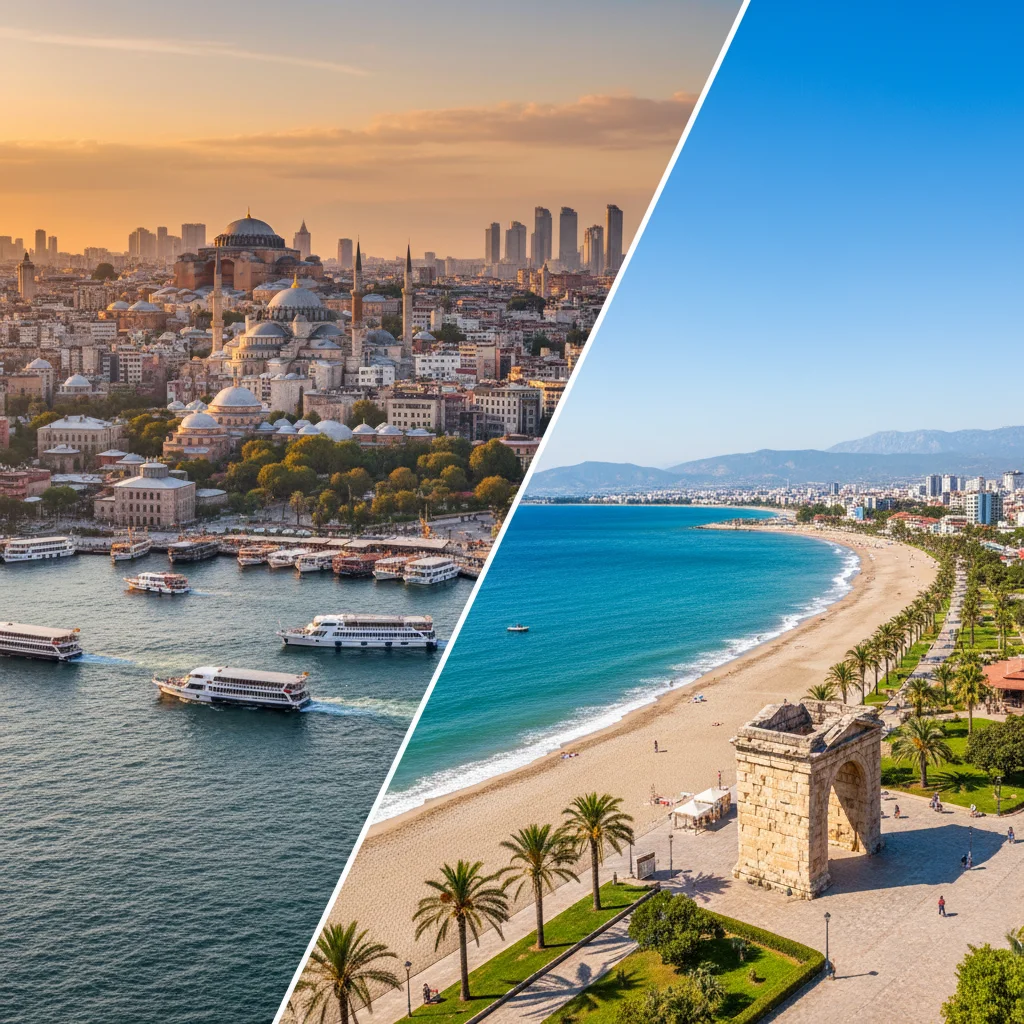
For over a decade, Turkey's real estate market was synonymous with affordability and exceptional value for international investors. However, the landscape has dramatically shifted since 2020, with property prices soaring across major cities like Istanbul, Ankara, and Antalya. This transformation has left many potential investors wondering: has Turkey's real estate golden era come to an end?
The Turkish Lira's significant devaluation against major currencies has created a complex dynamic in the real estate market. While this initially made properties more attractive to foreign buyers, it also triggered domestic inflation and increased construction costs, ultimately driving property prices higher.
Turkey's citizenship-by-investment program, requiring a minimum $400,000 property purchase, has attracted substantial foreign capital. Key investor demographics include:
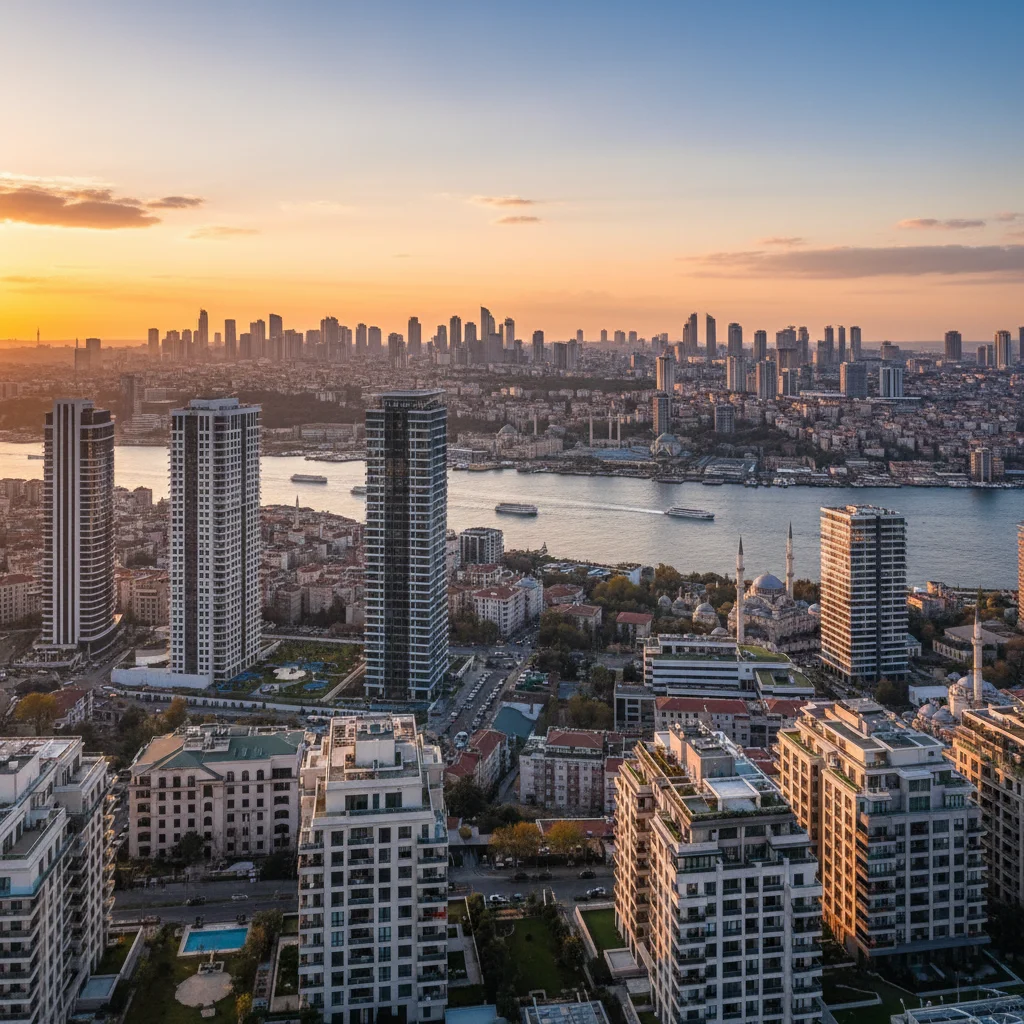
Post-pandemic supply chain issues have significantly impacted Turkey's construction sector. Rising material costs, including steel, cement, and imported fixtures, have increased development expenses by 40-60% since 2020.
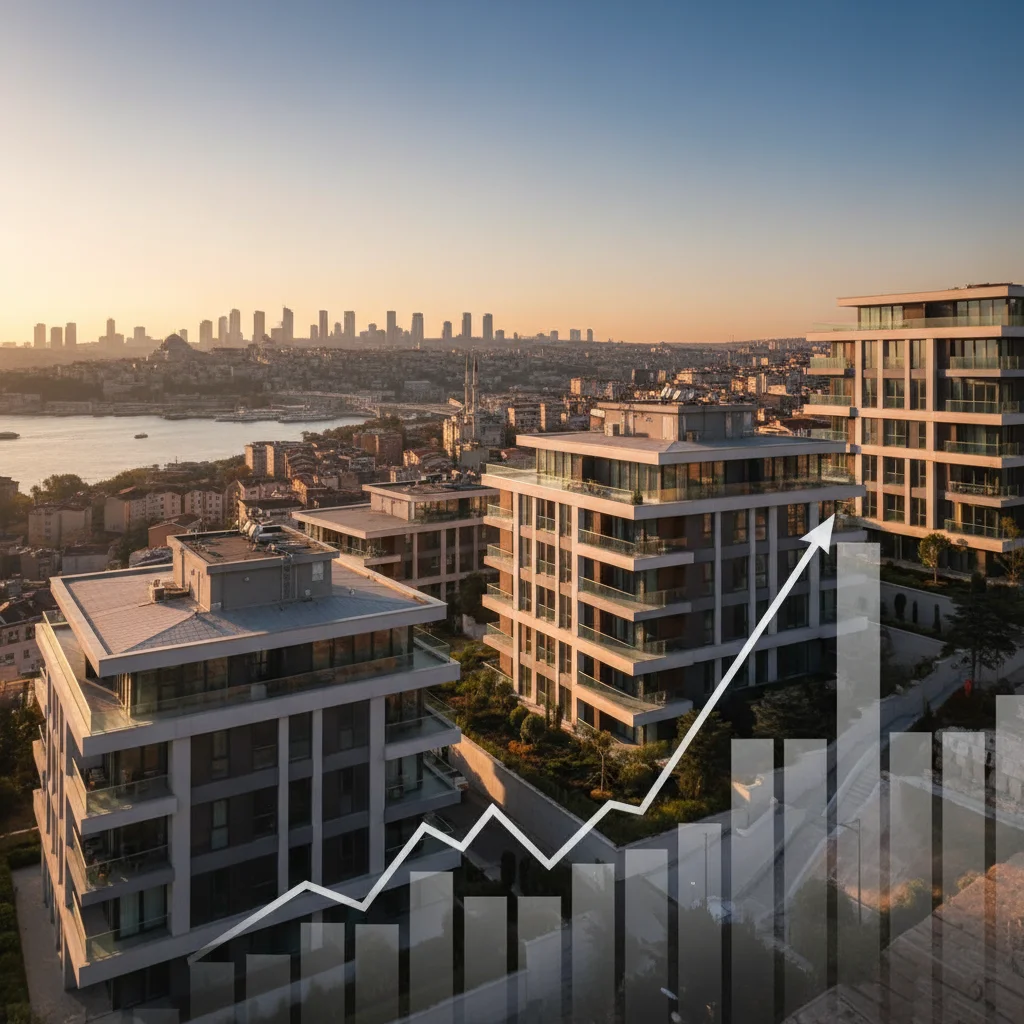
Istanbul's prime districts now command prices comparable to secondary European cities. Areas like Beyoğlu, Kadıköy, and Beşiktaş have seen average price increases of 80-120% since 2020.
| District | 2020 Average (USD/sqm) | 2026 Average (USD/sqm) | % Increase |
|---|---|---|---|
| Beyoğlu | $1,200 | $2,400 | 100% |
| Kadıköy | $1,000 | $2,000 | 100% |
| Başakşehir | $800 | $1,440 | 80% |
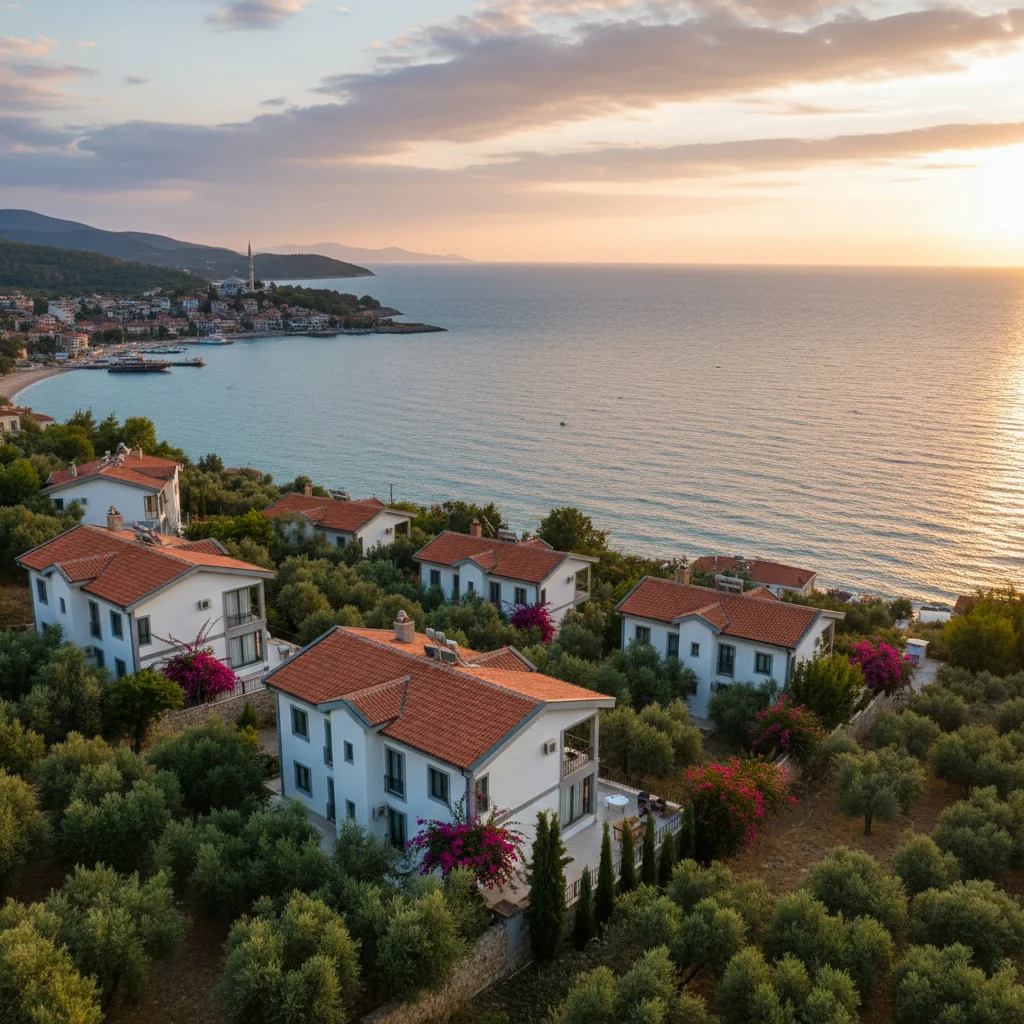
The Mediterranean coast, particularly Antalya, has experienced unprecedented demand from European retirees and vacation home buyers. Coastal properties now average $1,800-2,500 per square meter, representing a 90% increase from 2020 levels.
While major cities have become expensive, several secondary markets still offer attractive opportunities:
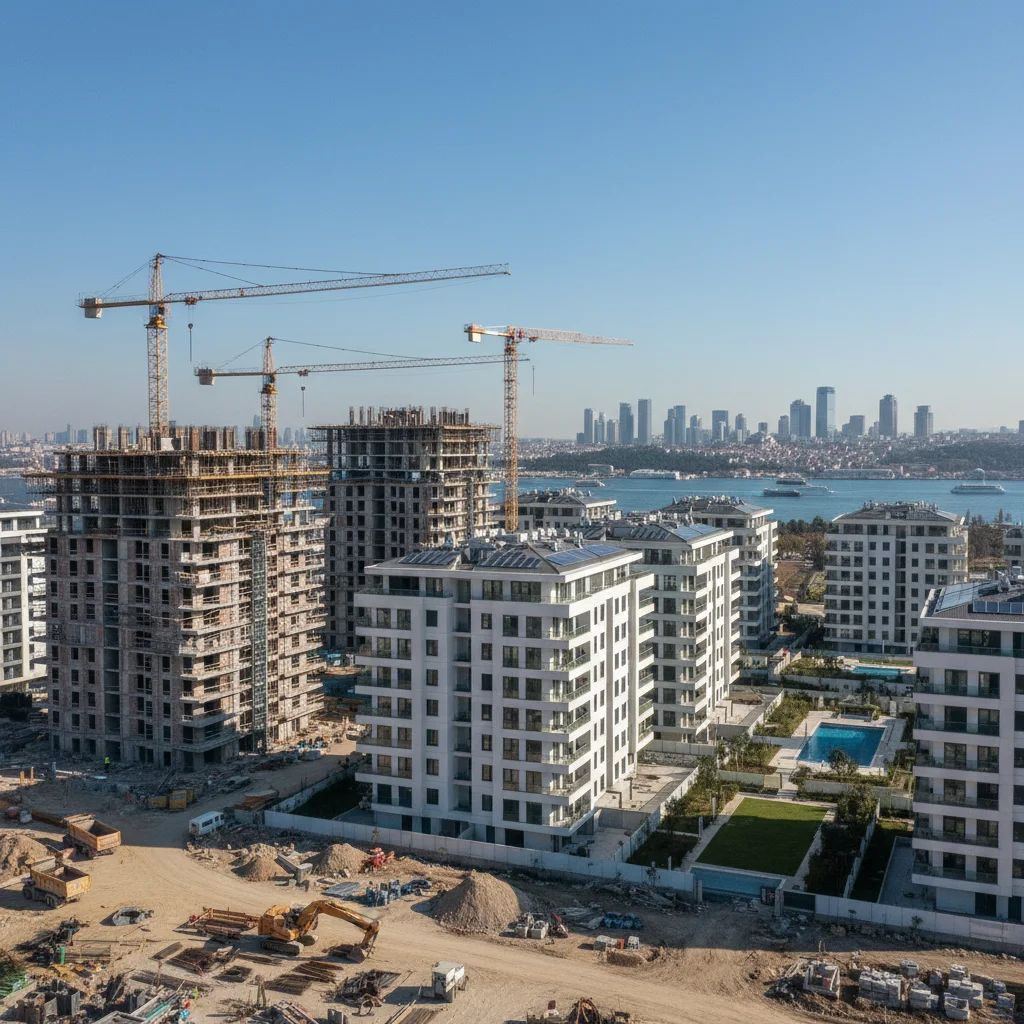
Despite higher baseline prices, off-plan purchases still offer 15-25% discounts compared to completed properties. Developers are offering flexible payment plans to maintain sales momentum.
With tourism recovering and urban migration continuing, properties in university towns and business districts can still generate 6-8% annual rental yields.
Turkey's strategic location between Europe and Asia, combined with ongoing infrastructure projects, suggests continued long-term growth potential despite current high entry prices.
The Turkish Lira's instability remains a significant risk factor for international investors. Currency hedging strategies are essential for portfolio protection.
Government policies regarding foreign ownership and citizenship programs may evolve, potentially impacting market dynamics.
While Turkey's real estate is no longer the bargain it once was, opportunities persist for informed investors willing to adapt their strategies. Success now requires deeper market research, focus on emerging locations, and realistic expectations about returns. The era of easy profits may be over, but Turkey's fundamental attractions – strategic location, growing economy, and lifestyle appeal – remain intact.
Information sourced from Emlak Platform (emlakplatform.com.tr) and Mbany Real Estate (mbany.com)