.png)
US Dollar - USD
- Turkish Lira - TRY
- US Dollar - USD
- Euro - EUR
- Pound sterling - GBP
- Russian Ruble - RUB
- Chinese Yuan - CNY
- Georgian lari - GEL
- Saudi Riyal - SAR
- UAE Dirham - AED
Turkey's real estate market continues to attract international investors seeking high returns and strategic positioning between Europe and Asia. The country's robust economic growth, government incentives, and citizenship by investment programs make it an attractive destination for property investment. Understanding which cities offer the best opportunities is crucial for maximizing returns and minimizing risks in this dynamic market.
The Turkish property market has shown remarkable resilience, with foreign investment increasing by 78% in 2023 compared to the previous year. This growth is driven by favorable exchange rates, competitive property prices, and comprehensive legal frameworks protecting foreign investors. The government's commitment to infrastructure development and urban renewal projects further enhances the investment appeal across major Turkish cities.
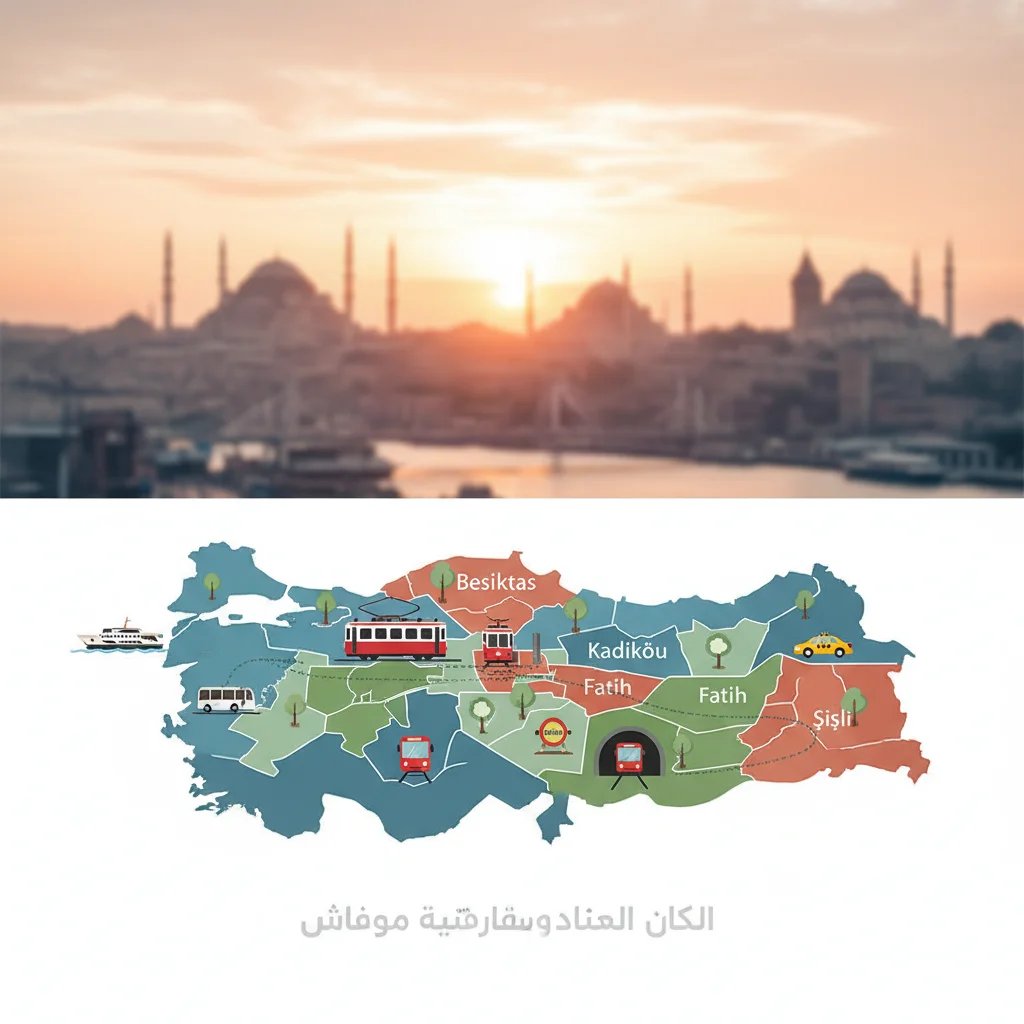
Istanbul remains Turkey's premier investment destination, contributing over 30% of the country's GDP and housing nearly 16 million residents. The city's strategic location bridging Europe and Asia creates unique opportunities for both residential and commercial real estate investments. Property values in prime districts have appreciated consistently, with annual growth rates averaging 15-20% over the past five years.
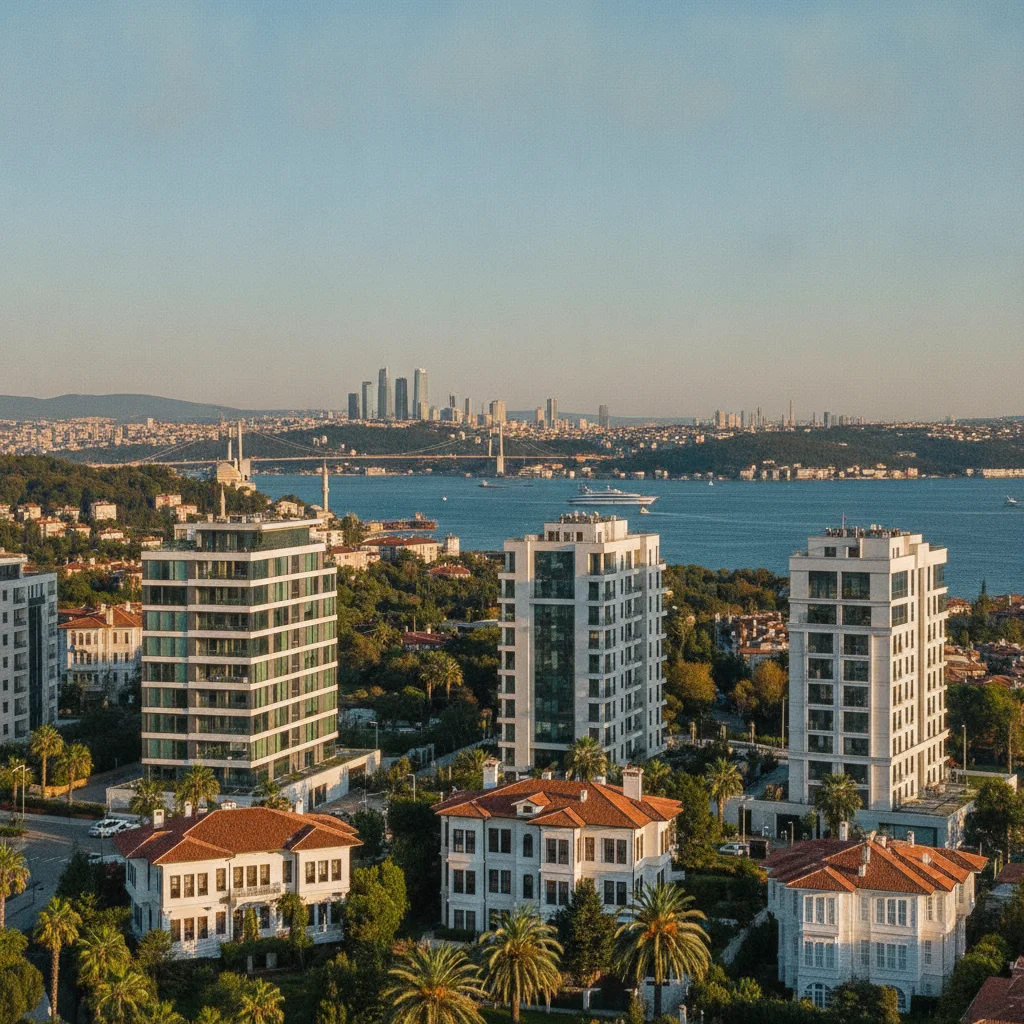
The city's diverse neighborhoods offer varying investment opportunities, from luxury waterfront properties in Bebek and Ortaköy to emerging districts like Başakşehir and Beylikdüzü. International buyers particularly favor areas with modern infrastructure, proximity to transportation hubs, and established expatriate communities.
Looking for the best real estate investment opportunity in Istanbul?
We help you choose the right property based on your budget and goals
Get a Free Consultation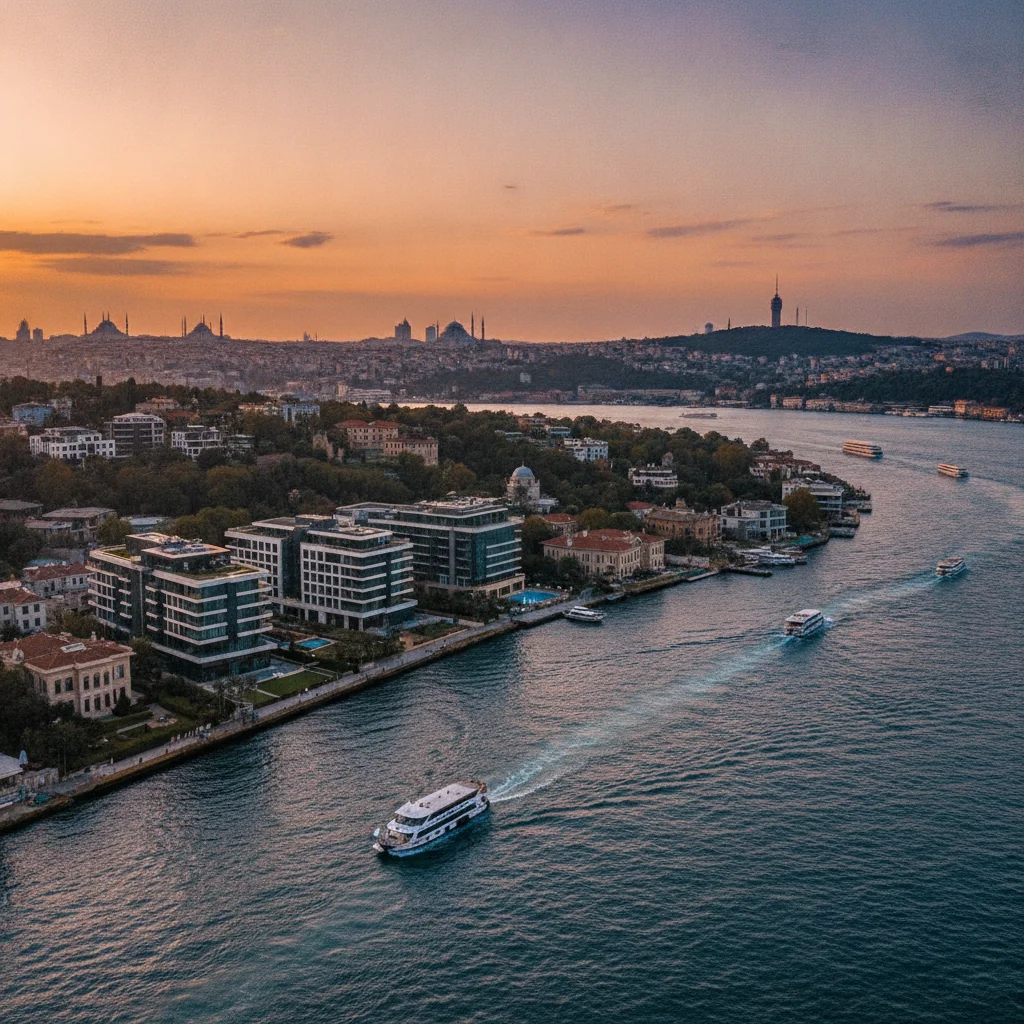
Istanbul's massive infrastructure investments significantly impact property values. The Istanbul Airport, one of the world's largest, has boosted property demand in northern districts. The ongoing Canal Istanbul project promises to create new waterfront investment opportunities. Metro expansions continue connecting previously isolated areas to the city center, often resulting in 20-30% property value increases within two years of line completion.
| District | Average Price per m² | Rental Yield | Growth Potential |
|---|---|---|---|
| Beşiktaş | $2,800-4,200 | 6-7% | High |
| Şişli | $2,500-3,800 | 7-8% | High |
| Bahçeşehir | $1,200-2,000 | 5-6% | Very High |
| Ataşehir | $1,800-2,800 | 6-7% | High |
As Turkey's capital, Ankara offers investment stability through its government-centered economy and consistent demand from civil servants, diplomats, and international organizations. The city's real estate market demonstrates lower volatility compared to Istanbul, making it attractive for conservative investors seeking steady returns.
Ankara's property prices remain significantly lower than Istanbul while offering comparable amenities and infrastructure. The city's four major universities create sustained rental demand, particularly in districts like Çankaya, Yenimahalle, and Keçiören. Government employees' housing allowances ensure reliable rental income streams.
The political and diplomatic heart of Turkey, Çankaya offers premium properties with strong appreciation potential. Embassy districts command higher rental rates, while proximity to government buildings ensures consistent demand. Luxury apartments in Çankaya typically yield 5-7% annually with minimal vacancy periods.
This rapidly developing district benefits from new residential complexes and improved transportation links. Property prices remain affordable while infrastructure investments drive appreciation. The area attracts young families and government employees seeking modern housing options.
Urban renewal projects and metro extensions make Keçiören an emerging investment hotspot. Properties purchased early in development phases often appreciate 25-40% within three years. The district offers excellent value for money with modern amenities and green spaces.
Antalya's position as Turkey's tourism capital creates unique investment dynamics. The city welcomes over 15 million visitors annually, generating substantial demand for short-term rentals and vacation properties. International buyers, particularly from Russia, Germany, and the UK, view Antalya as an ideal second-home destination.
The tourism sector's resilience ensures consistent rental income, with peak season rates often 3-4 times higher than off-season prices. Properties near beaches, golf courses, and historical sites command premium prices and excellent rental yields. The city's year-round mild climate extends the rental season beyond traditional summer months.
Looking for the best real estate investment opportunity in Istanbul?
We help you choose the right property based on your budget and goals
Get a Free Consultation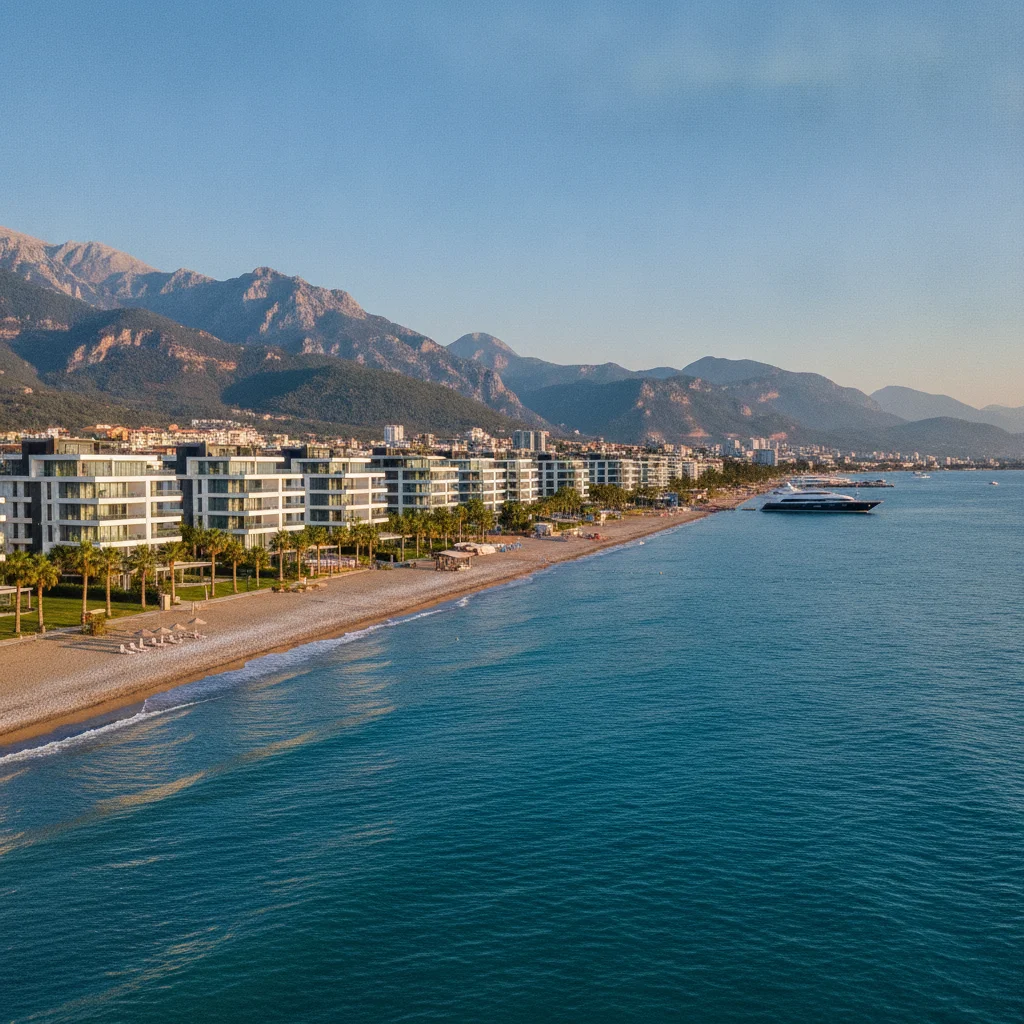
Bursa's status as Turkey's automotive and textile manufacturing center creates steady employment and housing demand. Major international companies including Renault, Bosch, and Fiat maintain significant operations, ensuring economic stability and population growth. The city offers excellent investment value with property prices 40-50% lower than Istanbul while providing similar urban amenities.
The city's proximity to Istanbul (90 minutes by highway) makes it attractive for commuters seeking affordable housing. Industrial expansion continues driving residential demand, particularly in districts near manufacturing zones. Government incentives for industrial investment further support long-term growth prospects.
The city's main district offers established neighborhoods with appreciation potential. Properties near Uludağ University maintain strong rental demand from students and faculty. Commercial developments and shopping centers enhance area attractiveness for residents and investors.
This upscale district attracts executives and professionals working in Bursa's industrial sector. Modern residential complexes offer amenities comparable to Istanbul developments at significantly lower prices. The area's planned growth ensures continued appreciation and rental demand.
Izmir combines industrial strength with tourism appeal, creating a diversified economic base supporting real estate investment. Turkey's third-largest city offers port activities, manufacturing, and university presence ensuring year-round economic activity. The city's liberal atmosphere and quality of life attract both domestic and international residents.
Property prices in Izmir remain competitive while offering excellent growth potential. The city's strategic port location and planned infrastructure improvements, including airport expansion and metro extensions, support long-term appreciation prospects. Coastal properties benefit from both residential demand and tourism potential.
Successful real estate investment in Turkey requires understanding economic cycles and market timing. Currency fluctuations can significantly impact investment returns for foreign buyers. The Turkish lira's volatility creates opportunities for dollar and euro investors while requiring careful timing strategies.
Interest rate trends affect both property prices and financing costs. Turkey's central bank policies influence mortgage availability and investment calculations. Monitoring inflation rates helps predict rental income growth and property appreciation patterns across different cities.
Turkey's legal system provides comprehensive protection for foreign property investors. The reciprocity principle allows citizens from most countries to purchase real estate freely. Properties valued above $400,000 qualify for Turkish citizenship, adding significant value for international investors seeking European access.
Due diligence requirements include title deed verification, municipal compliance checks, and tax obligation assessments. Professional legal assistance ensures proper documentation and protects investment interests. Understanding local regulations prevents costly mistakes and delays.
Turkish banks offer competitive mortgage products for foreign investors, typically financing 50-70% of property value. Interest rates vary based on currency choice and loan terms. Some developers provide in-house financing with attractive terms for new project purchases.
Currency considerations are crucial when selecting financing options. Turkish lira loans offer lower interest rates but currency risk, while foreign currency loans provide stability at higher costs. Professional financial advice helps optimize financing structure based on individual circumstances.
| Cost Type | Percentage/Amount | Description |
|---|---|---|
| Title Deed Fee | 4% | Split between buyer and seller |
| VAT | 1-18% | Varies by property type and location |
| Annual Property Tax | 0.1-0.6% | Based on property value |
| Legal Fees | 1-2% | Attorney and documentation costs |
Turkey's ambitious infrastructure program continues reshaping investment landscapes across major cities. The Istanbul Financial Center project will create new commercial real estate opportunities. High-speed rail connections between major cities enhance regional property markets and commuter possibilities.
Smart city initiatives in Istanbul, Ankara, and other major centers drive demand for modern properties with advanced technology integration. Environmental regulations favor energy-efficient buildings, creating premium market segments for sustainable developments.
Turkey's young, urbanizing population creates sustained housing demand in major cities. Changing lifestyle preferences favor modern amenities and central locations. The growing middle class drives demand for quality housing with international standards.
International migration trends, including refugees and skilled workers, impact rental markets in major cities. Government policies supporting foreign investment and residency programs continue attracting international buyers seeking Turkish property exposure.
Information sourced from Emlak Platform, Mbany Real Estate, and Massar Istanbul.