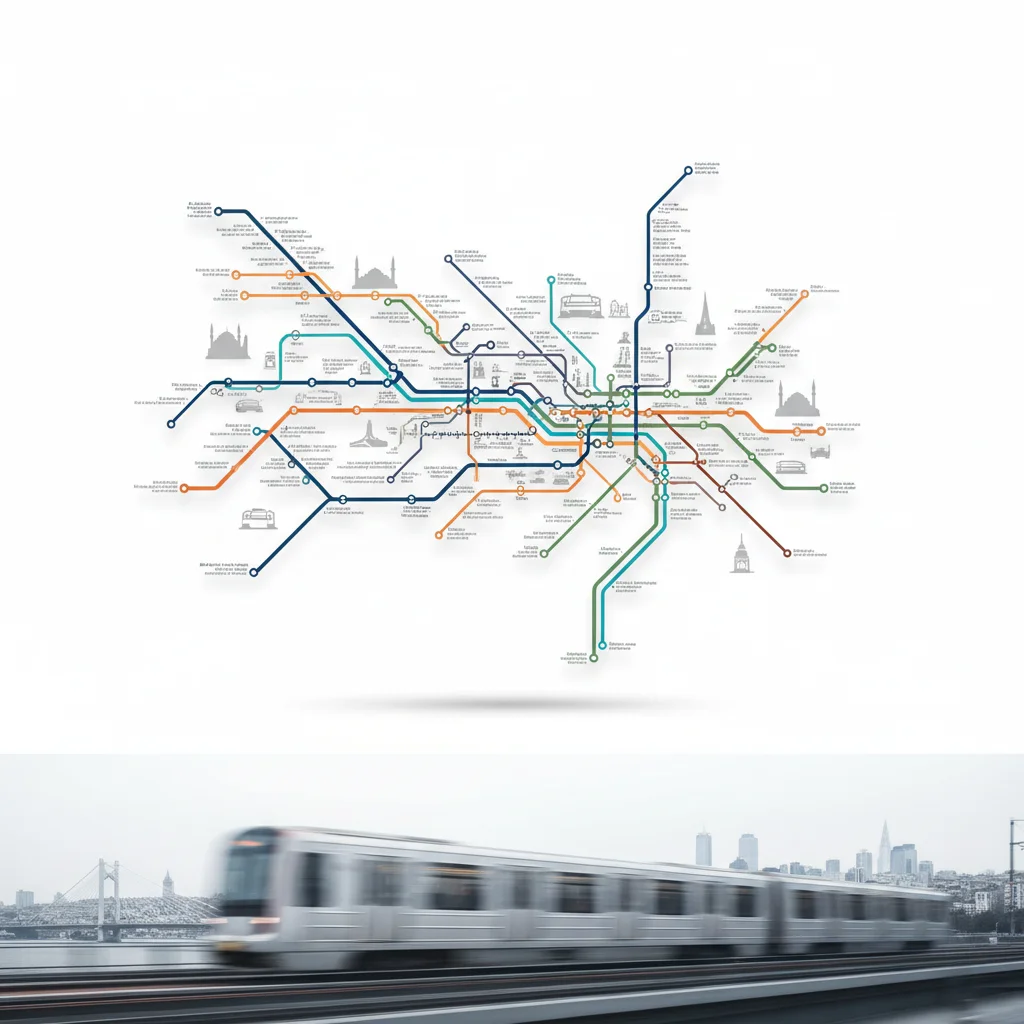
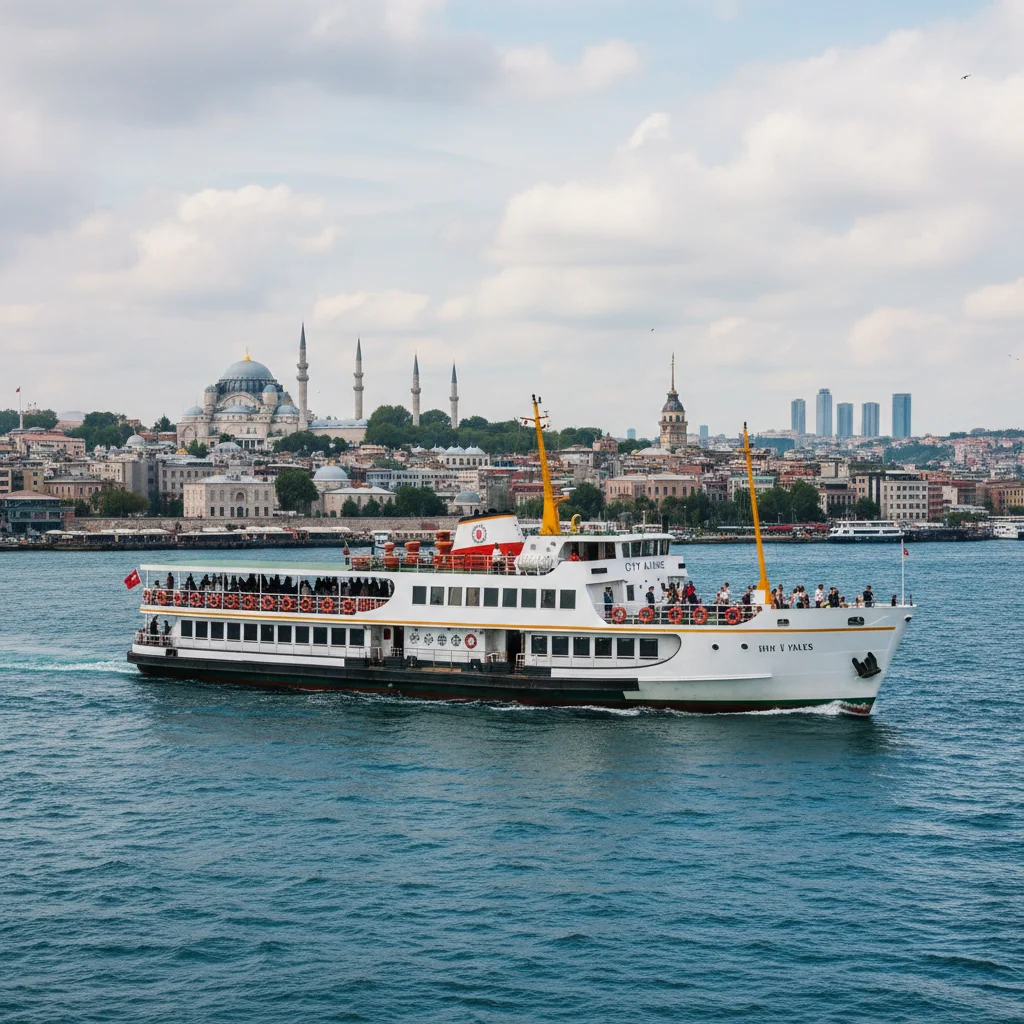
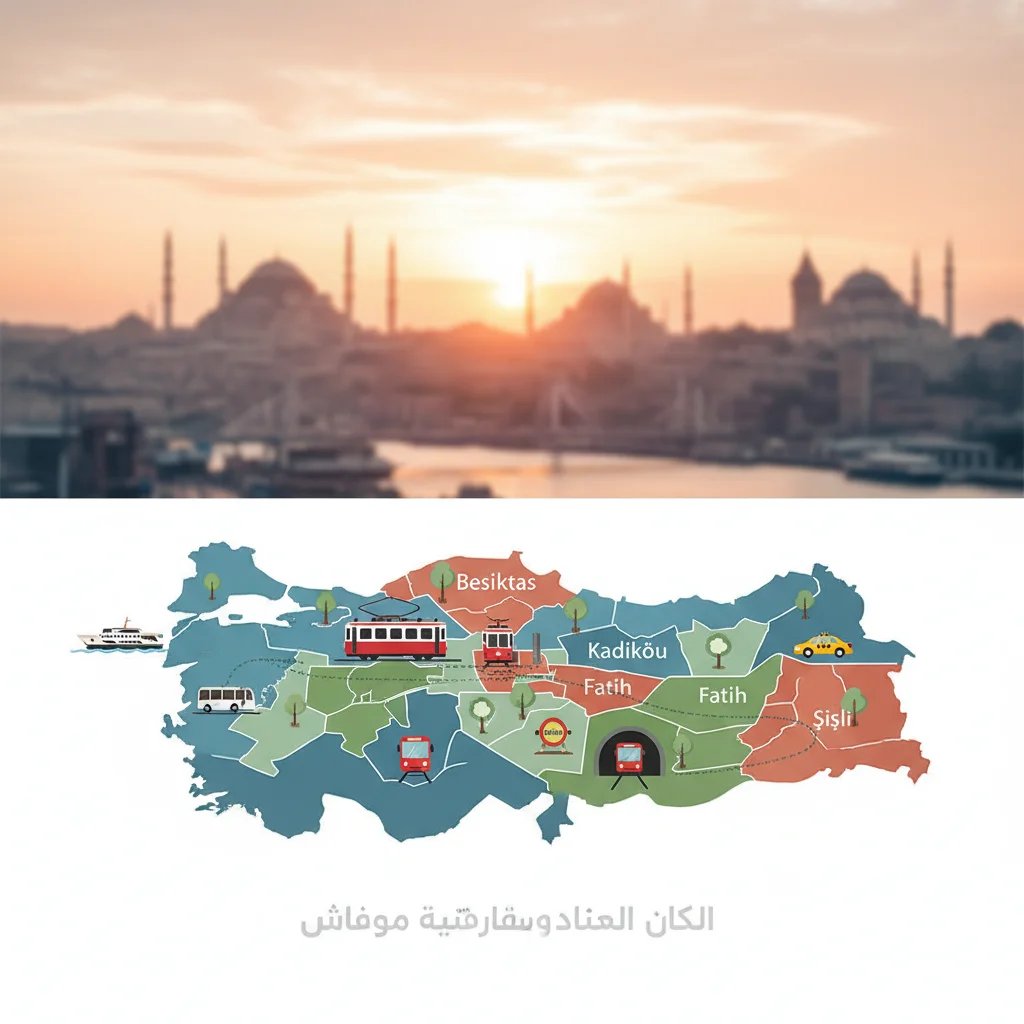
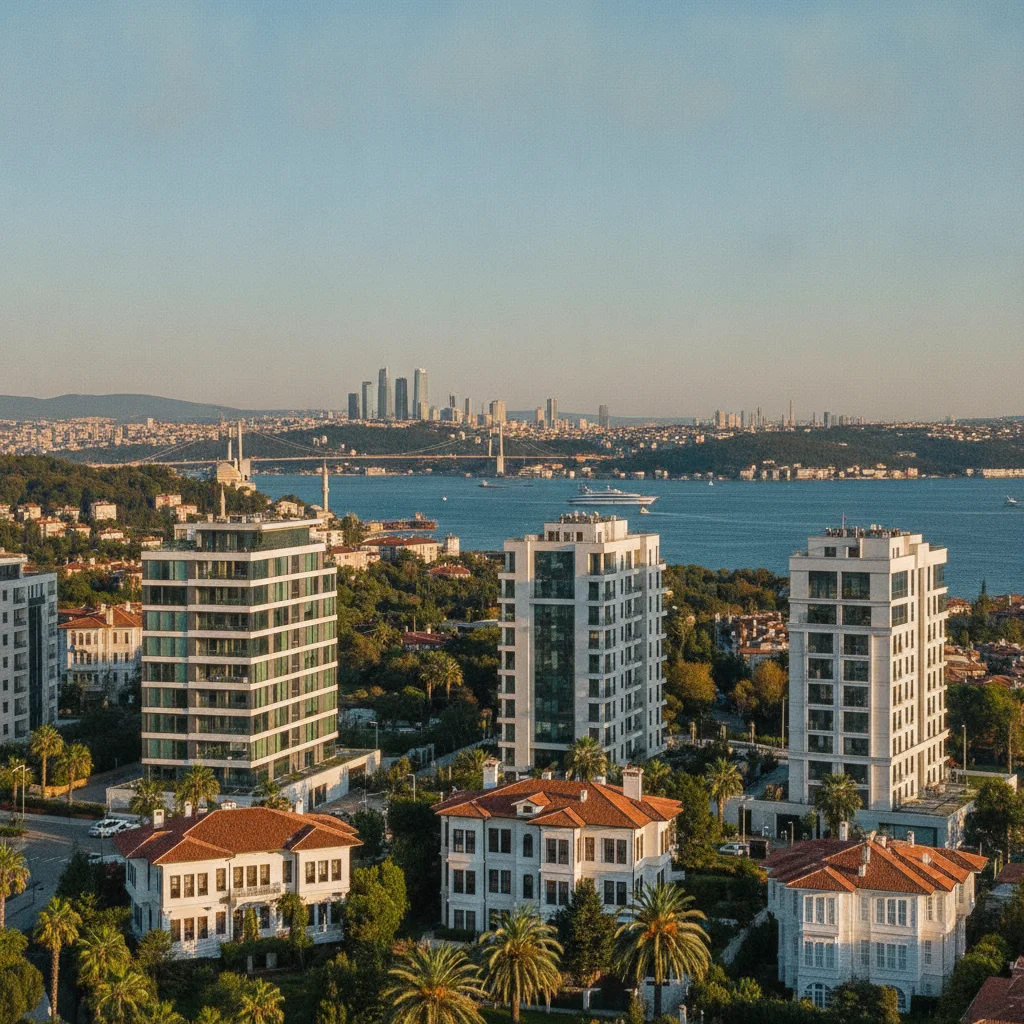
Istanbul's transportation network spans two continents and connects dozens of districts through an intricate web of metro lines, buses, ferries, and tramways. For property investors and residents, understanding the transportation accessibility of different districts is crucial for making informed real estate decisions. This comprehensive guide examines the transportation options available across Istanbul's major districts, helping you evaluate connectivity when considering property investments or residency options.
The city's strategic location bridging Europe and Asia has necessitated one of the world's most complex urban transportation systems. With over 15 million residents and millions of daily commuters, Istanbul's public transportation network continues to expand, directly impacting property values and investment opportunities across different neighborhoods.
Metro and Rail Transportation by District
European Side Metro Networks
The European side of Istanbul hosts the majority of the city's metro infrastructure, with multiple lines serving key residential and commercial districts:
M1 Metro Line Districts
Yenikapi: Central hub connecting to Marmaray and ferry services
Aksaray: Historic district with excellent connectivity to Sultanahmet
Merter: Major textile and business district
Bahcelievler: Residential area popular with families
Atakoy: Upscale coastal district with marina access
Bakirkoy: Shopping and residential hub near the airport
M2 Metro Line Coverage
The M2 line serves some of Istanbul's most prestigious districts:
Sisli: Central business district with luxury shopping
Mecidiyekoy: Major transportation interchange
Levent: Financial center with skyscrapers and corporate headquarters
Etiler: Affluent residential area
Maslak: Modern business district with high-end properties
Looking for the best real estate investment opportunity in Istanbul?
We help you choose the right property based on your budget and goals
The T1 tramway connects major tourist and residential areas:
Sultanahmet: Historic district with tourism potential
Eminonu: Commercial center and transportation hub
Karakoy: Gentrifying area with investment opportunities
Kabatas: Upscale district with luxury developments
Nostalgic Tramway
The historic tramway on Istiklal Avenue serves the Beyoglu district, enhancing property values in surrounding neighborhoods through increased foot traffic and cultural significance.
Transportation Impact on Property Investment
Proximity to Transportation Hubs
Properties within walking distance of major transportation nodes typically command premium prices:
High-Value Transportation Corridors
Metro Station Vicinity: 15-25% price premium within 500 meters
Metrobus Stops: 10-15% increased property values
Ferry Terminals: Waterfront premium plus accessibility benefits
Multiple Transport Options: Highest investment potential
Investment Recommendations by Transportation Access
High-Priority Investment Areas
Districts with superior transportation connectivity offer the best investment potential:
Tier 1 Investment Zones
Maslak-Levent Corridor: Business district with multiple metro lines
Sisli-Mecidiyekoy: Central location with all transport modes
Kadikoy-Moda: Cultural center with ferry and metro access
Atasehir Financial District: Modern area with planned expansions
Emerging Investment Opportunities
Basaksehir: New city with dedicated metro line
Beylikduzu: Coastal development with improving connectivity
Umraniye: Growing business district on Asian side
Esenyurt: Large-scale residential development area
Understanding Istanbul's comprehensive transportation network is essential for making informed property investment decisions. The city's continued infrastructure development creates opportunities for strategic real estate investments, particularly in areas with improving connectivity. Whether seeking residential properties for citizenship by investment programs or commercial real estate opportunities, transportation accessibility remains a crucial factor in long-term value appreciation and rental potential.
.png)