US Dollar - USD
- Turkish Lira - TRY
- US Dollar - USD
- Euro - EUR
- Pound sterling - GBP
- Russian Ruble - RUB
- Chinese Yuan - CNY
- Georgian lari - GEL
- Saudi Riyal - SAR
- UAE Dirham - AED
- Syrian Pound - SYP
Few coastal cities in the Mediterranean balance modern urban infrastructure, year-round sunshine, and strong real estate fundamentals as effortlessly as Antalya. With more than 300 sunny days a year, direct international flights connecting Europe, the Middle East, and Central Asia, and an expanding network of international schools and private hospitals, the city has evolved far beyond a seasonal summer getaway. In 2026, Antalya stands as a dual-purpose destination: a safe, welcoming home for relocating families and a high-yielding market for tourism-focused property investors.
Choosing the right district, however, makes all the difference. A family seeking quiet parks, accredited schools, and walkable grocery stores has very different priorities from a traveler or short-term rental investor looking for beachfront nightlife, golf resorts, or boutique heritage charm. Understanding how each neighborhood functions—alongside Turkey’s 2026 residency thresholds, closed-district regulations, and short-term rental licensing laws—is essential before booking a trip or signing a title deed.
Before diving into the nuances of each neighborhood, the table below summarizes how Antalya’s leading areas perform across lifestyle suitability, average property pricing, and investment potential in 2026.
| District / Neighborhood | Primary Audience | Key Lifestyle Highlights | Est. Price per Sq. Meter (2026) | Estimated Annual Rental Yield |
|---|---|---|---|---|
| Konyaalti (Uncali, Gursu, Molla Yusuf) | Families & Long-Term Expats | Blue Flag beaches, parks, international schools, modern cafes | $1,900 – $3,400 | 5.5% – 7.0% |
| Lara & Guzeloba (Muratpasa) | Families & Business Travelers | Proximity to airport, cliffside parks, malls, private hospitals | $1,800 – $3,200 | 5.5% – 7.5% |
| Dosemealti | Large Families & Retirees | Detached villas, cooler summer air, gated privacy, green forests | $1,400 – $2,300 | 5.0% – 6.5% |
| Kaleici (Old Town) | Tourists & Boutique Investors | Roman-Ottoman architecture, marina, dining, walkability | $2,600 – $4,500 | 7.5% – 10.0% |
| Belek (Serik) | Luxury Tourists & Golfers | Championship golf courses, five-star resorts, theme parks | $2,000 – $3,600 | 7.0% – 9.0% |
| Kundu (Aksu) | Vacationers & Resort Investors | Sandy beaches, resort-style aparthotels, high summer demand | $1,700 – $2,800 | 6.5% – 8.5% |
| Kepez (Varsak & Modern Zones) | Budget-Conscious Families | Tram connectivity, city hospitals, new master-planned complexes | $1,100 – $1,750 | 6.0% – 7.5% |
Relocating families typically prioritize safety, daily convenience, educational continuity, healthcare access, and green recreational spaces. Antalya’s western and central-eastern suburbs deliver these essentials while keeping the Mediterranean coast within a short drive or walk.
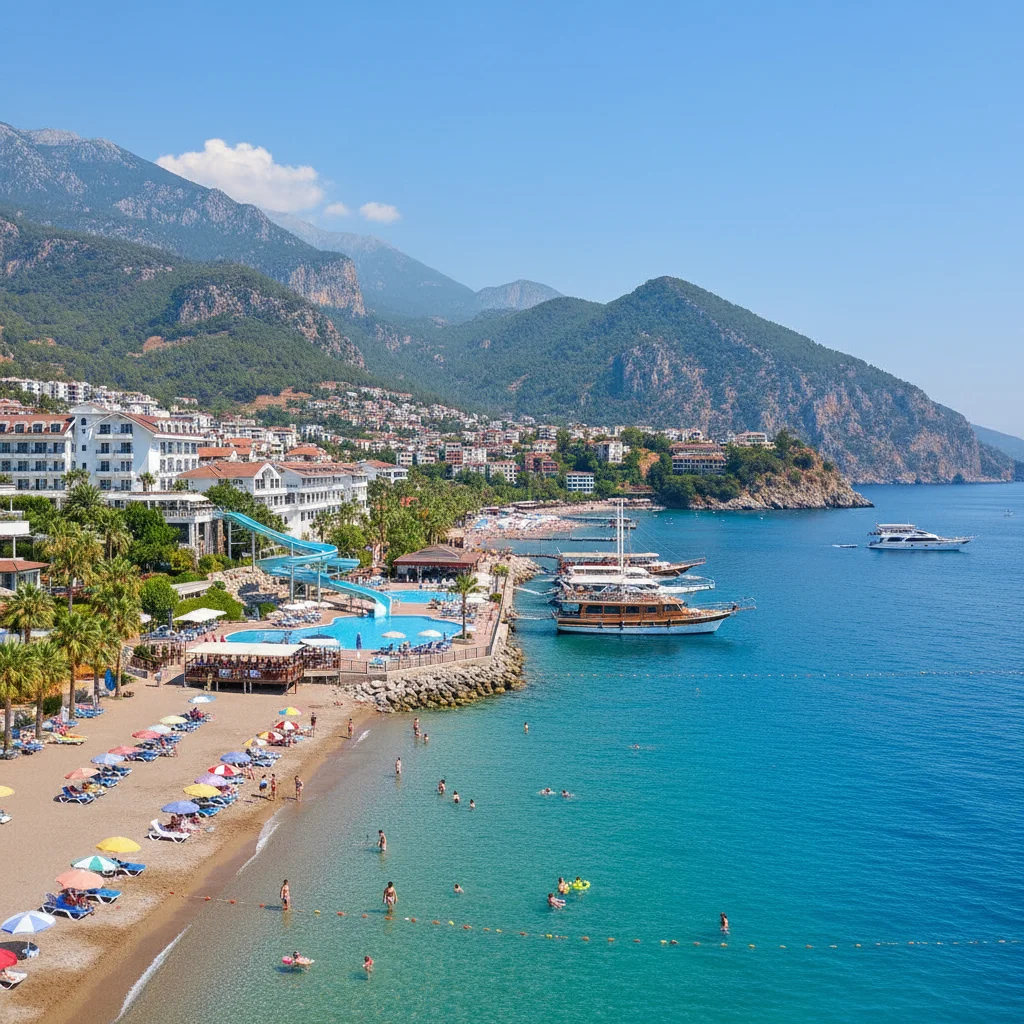
Stretching along a seven-kilometer pebble-and-sand coastline framed by the Taurus Mountains, Konyaalti remains the flagship residential choice for international and Turkish families alike. Its wide coastal promenade features cycling lanes, children’s playgrounds, basketball courts, and family-oriented beach clubs.
However, buyers and renters in 2026 must distinguish between sub-neighborhoods within Konyaalti due to Turkish residency quotas:
Konyaalti hosts branches of respected educational institutions, including International Antalya University facilities nearby, TED Antalya College commutes, and several bilingual kindergartens. Medical care is anchored by Olympos Hospital and quick access to Akdeniz University Hospital, one of the region’s largest teaching medical centers.
Looking for the best real estate investment opportunity in Istanbul?
We help you choose the right property based on your budget and goals
Get a Free Consultation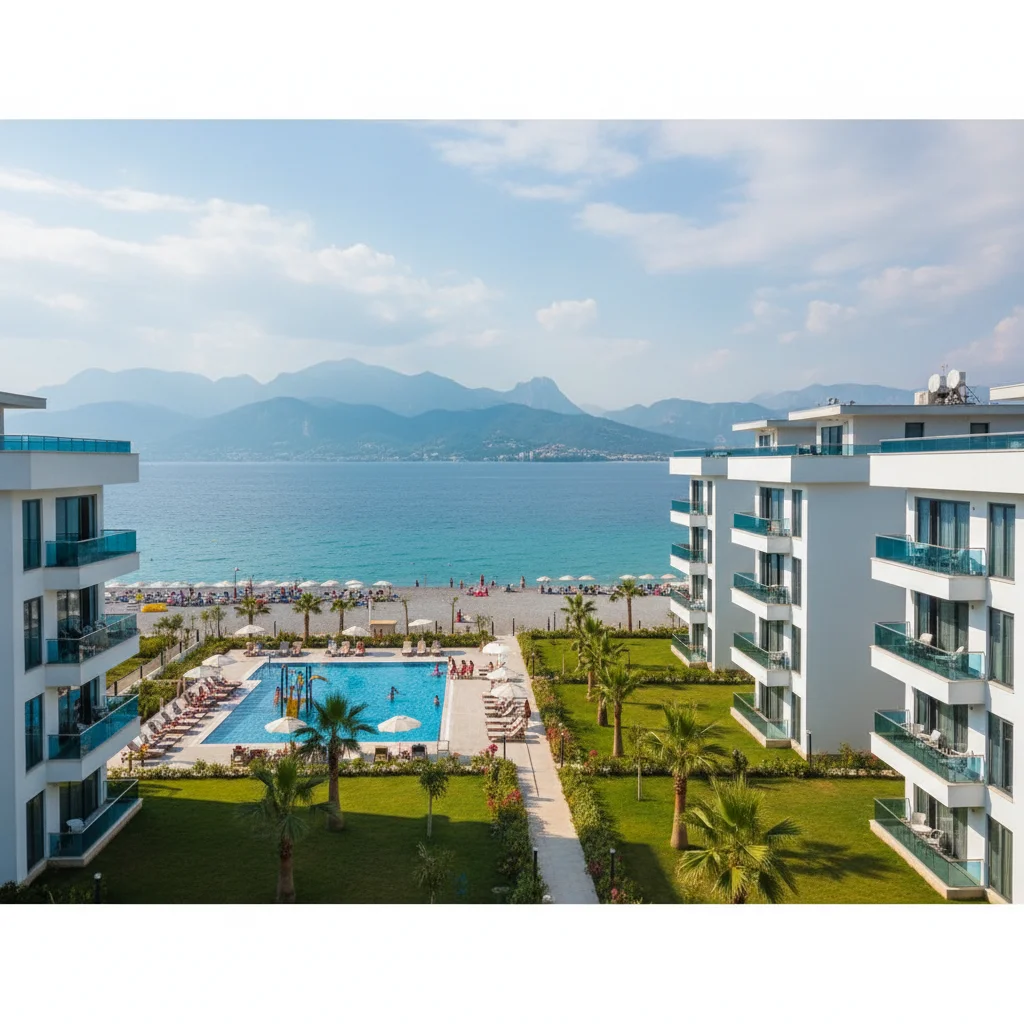
Located on the eastern side of Antalya’s city center within the Muratpasa district, Lara sits atop dramatic limestone cliffs overlooking the Mediterranean. Unlike resort towns that quiet down in winter, Lara functions year-round as a vibrant, self-sufficient urban community.
Families appreciate Lara for its wide, tree-lined avenues, Duden Waterfall Park, and proximity to TerraCity Mall, which houses international retail brands, cinemas, and family dining. Guzeloba, situated just east of central Lara, provides newer low-rise apartment buildings and gated compounds at slightly more approachable price points while keeping residents only 12 to 15 minutes from Antalya International Airport.
For families who prefer a detached house with a private garden over apartment living, Dosemealti—situated roughly 20 to 25 minutes north of downtown Antalya—has become the premier villa district in 2026. Elevated above sea level and bordered by pine forests, Dosemealti offers noticeably lower summer humidity and peaceful, low-density streets.
Real estate developments here consist predominantly of modern duplex and triplex villas within secure compounds, often featuring private pools, smart-home systems, and electric vehicle charging stations. The presence of Antalya Bilim University and several private campuses has spurred steady improvements in supermarkets, cafes, and public transport links, transforming Dosemealti from a weekend retreat into a thriving full-time family suburb.
Kepez is Antalya’s largest residential district by population and is undergoing rapid urban renewal. Areas such as Varsak, Kultur, and the neighboring Altintas zone (administratively in Aksu, bridging Lara and the airport) attract families seeking brand-new complexes with hotel-style amenities—indoor pools, fitness centers, and Turkish baths—at 30% to 40% lower prices than beachfront Lara or Konyaalti.
With the AntRay tram network connecting Kepez directly to downtown, the bus terminal, and the airport, commuting is straightforward. Families also enjoy the Kepez Urban Forest, Antalya Zoo, and the massive Antalya City Hospital complex, which significantly raised the area’s residential appeal.
Antalya welcomes more than 16 million international visitors annually, making tourism a cornerstone of both its local economy and its property market. Yet tourists—and the investors who host them—gravitate toward districts very different from family suburbs.
Wrapped in ancient Roman, Seljuk, and Ottoman stone walls above the Old Harbor, Kaleici is the cultural heart of Antalya. Cobblestone alleys wind past restored timber-framed mansions, artisan workshops, rooftop terraces, and centuries-old landmarks like Hadrian’s Gate and the Fluted Minaret.
For tourists, staying in Kaleici means effortless walkability to museums, boat tours departing from the marina, and some of the finest Mediterranean restaurants in southern Turkey. For real estate investors, Kaleici represents a scarce heritage market. Because strict conservation rules limit new construction, restored boutique hotels and licensed heritage residences command premium nightly rates from spring through late autumn, delivering strong occupancy among European, North American, and cultural travelers.
Roughly 35 kilometers east of central Antalya lies Belek, internationally recognized as one of Europe and the Mediterranean’s finest golf destinations. Home to over a dozen championship courses designed by golf legends, Belek draws affluent tourists year-round—especially during winter and spring when Northern European courses are closed.
Beyond golf, Belek is anchored by The Land of Legends Theme Park, luxury five-star beachfront resorts, and private villa estates in Kadriye and central Belek. Short-term tourists with families love Belek for its wide, soft sandy beaches and resort entertainment, while investors target detached villas with private pools that generate robust seasonal and golf-tournament rental income.
Situated between Lara Beach and Belek, Kundu is famous for its themed five-star beachfront hotels and expansive sandy shoreline. In recent years, the adjacent zones of Kundu and Altintas have seen substantial development of modern residential-tourist complexes designed specifically with resort-grade amenities: shuttle buses to private beach clubs, concierge desks, spa centers, and water slides.
Tourists who prefer the independence of a spacious two-bedroom apartment over a standard hotel room increasingly book stays in Kundu. Its 15-minute proximity to Antalya Airport makes it exceptionally convenient for short weekend breaks and extended summer holidays alike.
Looking for the best real estate investment opportunity in Istanbul?
We help you choose the right property based on your budget and goals
Get a Free Consultation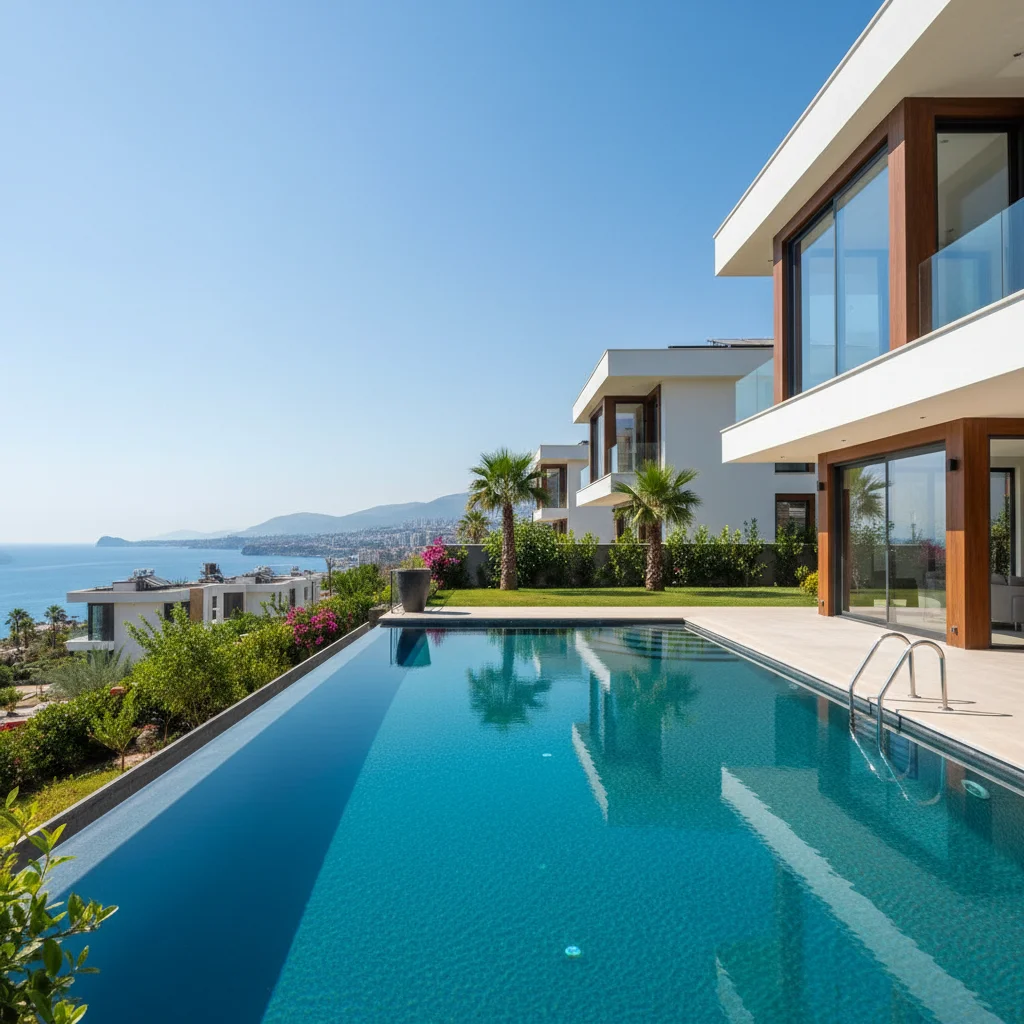
While technically distinct districts east of Antalya city, Side (Manavgat) and Alanya frequently appear on the radar of both tourists and international property buyers:
To help match your personal goals—whether relocating with children, planning an extended vacation, or acquiring a rental asset—consider how family-centric and tourist-centric districts compare across everyday criteria:
| Evaluation Factor | Family-Focused Districts (Konyaalti, Lara, Dosemealti) | Tourist-Focused Districts (Kaleici, Belek, Kundu) |
|---|---|---|
| Seasonality | Vibrant 12 months a year; steady local services | Peak energy April–November; quieter winter in resort strips |
| Noise & Crowds | Calm evenings, residential parks, controlled traffic | Lively nightlife, tour buses, seasonal beach crowds |
| Education & Healthcare | Top international schools and multi-specialty hospitals nearby | Limited international schools; relies on Antalya center for major care |
| Rental Strategy | Stable 12-month leases to expat families and professionals | High nightly short-term rates (requires tourism rental license) |
| Property Appreciation | Steady, resilient demand backed by domestic and foreign residents | Driven by tourism growth, scarcity, and resort infrastructure |
Navigating Antalya’s property market in 2026 requires clear awareness of Turkish legal frameworks governing foreign ownership, residency permits, citizenship, and short-term holiday rentals.
Turkey’s Citizenship by Investment program remains active and highly sought after in 2026. Foreign buyers who purchase one or multiple properties totaling at least $400,000 USD (verified by an official SPK-licensed valuation report and transferred via a Turkish bank with a Foreign Currency Purchase Certificate, or DAB) can apply for Turkish citizenship for themselves, their spouse, and dependent children under 18. Properties must carry a three-year no-sale annotation on the title deed (TAPU). Importantly, properties eligible for citizenship do not require a separate neighborhood residency quota exemption, giving buyers broader choice across Antalya, Lara, Konyaalti, Dosemealti, and Belek.
For buyers not seeking citizenship—or investing below $400,000—the short-term immovable property residence permit remains available, subject to two strict rules enforced across Turkey:
Investors targeting tourists in Kaleici, Kundu, Belek, or Lara must comply with Turkey’s Tourism Purpose Rental Law (Law No. 7464), which regulates stays of 100 days or less:
Whether purchasing a family apartment in Uncali or a holiday villa in Belek, following a disciplined acquisition and management process protects your capital and prevents legal surprises.
Confirm the property holds a valid Iskan (habitation license) and Kat Mulkiyeti (full condominium title deed) rather than a bare construction servitude, unless buying off-plan from a vetted developer with bank guarantees. Check whether the property carries any mortgages, liens, or heritage restrictions, and confirm the neighborhood’s residency status if a residence permit is part of your plan.
Obtain a Turkish Tax Identification Number (Vergi Kimlik Numarasi) and open a local bank account. For any foreign purchase in 2026, an independent valuation report issued by a Capital Markets Board (SPK) licensed appraiser is mandatory, alongside a DAB certificate showing foreign currency conversion through the Turkish Central Bank before the title deed transfer.
Buyers should budget approximately 4.5% to 6% above the purchase price for closing expenses, including the 4% title deed transfer tax (Tapu Harci), appraisal fees, notary translations, DASK compulsory earthquake insurance, and utility connection deposits. Ongoing expenses include:
Remote owners benefit significantly from hiring a licensed property management firm. For family-focused apartments in Konyaalti or Lara, long-term annual contracts (often paid 6 or 12 months upfront by relocating professionals or corporate tenants) minimize vacancy and wear-and-tear. For tourism-licensed villas in Belek or serviced suites in Altintas and Kundu, professional hospitality management handles dynamic pricing, guest check-ins, mandatory police identity reporting (KBS system), linen servicing, and seasonal maintenance—turning a Mediterranean second home into a hands-free income generator.
Yes. Antalya consistently ranks among Turkey’s safest metropolitan cities. Family neighborhoods like Konyaalti, Lara, and Dosemealti feature low street crime, gated residential compounds with security cameras and guards, pedestrianized beachfront promenades, and strong community hospitality toward international families.
May, June, September, and October offer the ideal balance of warm sea temperatures (23°C to 27°C), sunny skies, and manageable crowds. July and August bring peak summer heat (often above 35°C) and bustling resorts, while November through March appeals to golfers, remote workers, and cultural travelers enjoying mild 15°C–20°C afternoons.
While select Turkish banks offer mortgage products to foreigners with documented income, high domestic interest rates mean most international buyers in 2026 opt for cash purchases or developer-backed installment plans (typically 30% to 50% down payment with 12-to-36-month interest-free schedules on under-construction projects).
Altintas (Aksu) and expanding corridors in Dosemealti and Kepez show strong capital growth potential due to new infrastructure, modern architectural standards, and competitive entry prices. Meanwhile, prime Lara and coastal Konyaalti deliver superior liquidity and wealth preservation due to land scarcity.
Antalya’s enduring appeal lies in its diversity. Families seeking daily convenience, bilingual education, and seaside parks will thrive in Konyaalti (Uncali and Gursu) or Lara and Guzeloba, while those craving private gardens and tranquility will find their sanctuary among the pine-fringed villas of Dosemealti. Meanwhile, tourists and hospitality-minded investors continue to gravitate toward the timeless alleys of Kaleici, the championship fairways of Belek, and the sandy resort stretch of Kundu. By aligning your neighborhood choice with 2026 residency rules, tourism licensing laws, and long-term lifestyle goals, Antalya offers one of the most rewarding Mediterranean addresses available today.
Note: The real estate insights, residency guidelines, and market data in this guide were sourced from Emlak Platform, Mbany Real Estate, and Massar Istanbul.