.png)
US Dollar - USD
- Turkish Lira - TRY
- US Dollar - USD
- Euro - EUR
- Pound sterling - GBP
- Russian Ruble - RUB
- Chinese Yuan - CNY
- Georgian lari - GEL
- Saudi Riyal - SAR
- UAE Dirham - AED
Turkey's dynamic real estate market attracts thousands of international investors annually, but understanding the tax implications is essential for maximizing returns. The Turkish tax system for property investments involves several key components that foreign investors must navigate carefully.
When acquiring real estate in Turkey, investors face immediate tax obligations:
Property owners must pay annual real estate tax based on the property's tax value:
| Property Type | Tax Rate |
|---|---|
| Residential Properties | 0.1% - 0.2% |
| Commercial Properties | 0.2% - 0.4% |
| Land | 0.1% - 0.3% |
Looking for the best real estate investment opportunity in Istanbul?
We help you choose the right property based on your budget and goals
Get a Free Consultation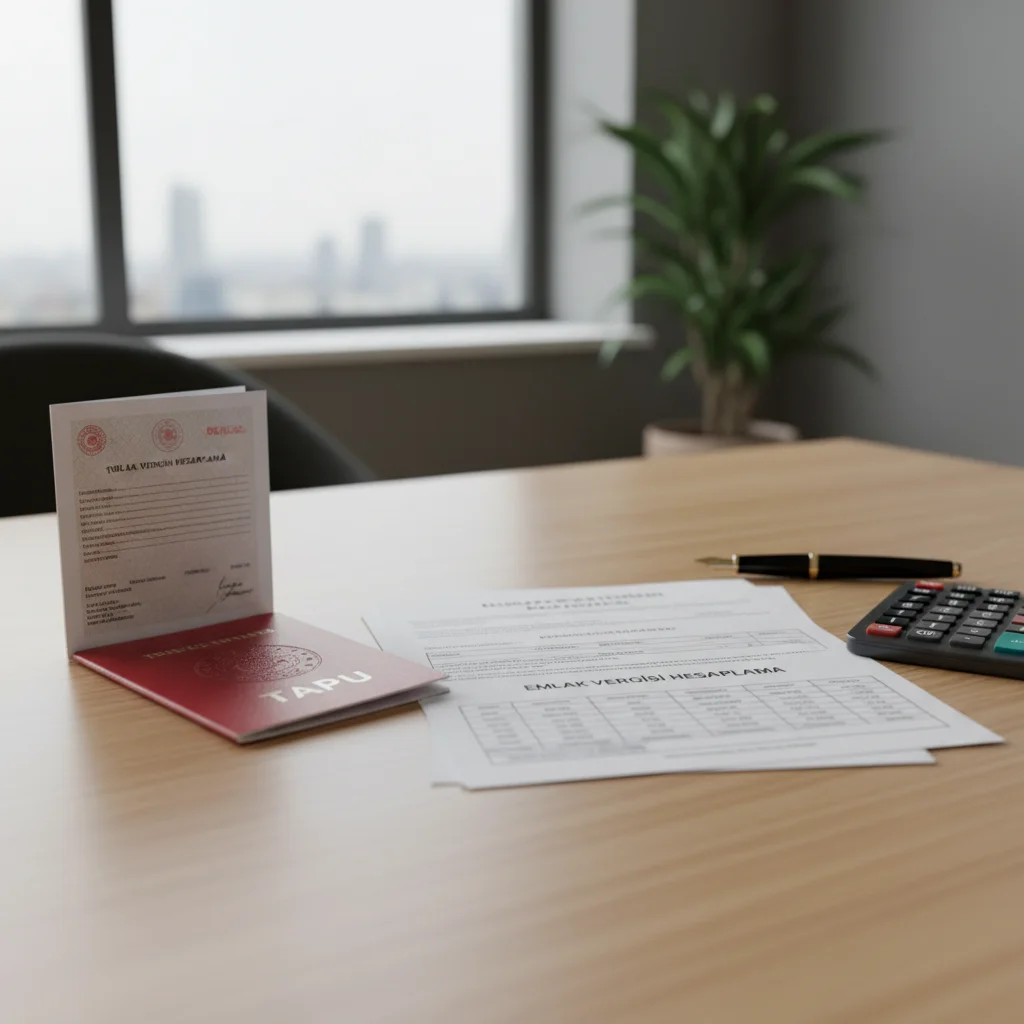
Turkey imposes capital gains tax on property sales, with rates varying based on holding period:
Foreign property owners earning rental income in Turkey face specific tax obligations:
Investors purchasing property worth $400,000 or more may qualify for Turkish citizenship, offering additional tax benefits:
Looking for the best real estate investment opportunity in Istanbul?
We help you choose the right property based on your budget and goals
Get a Free Consultation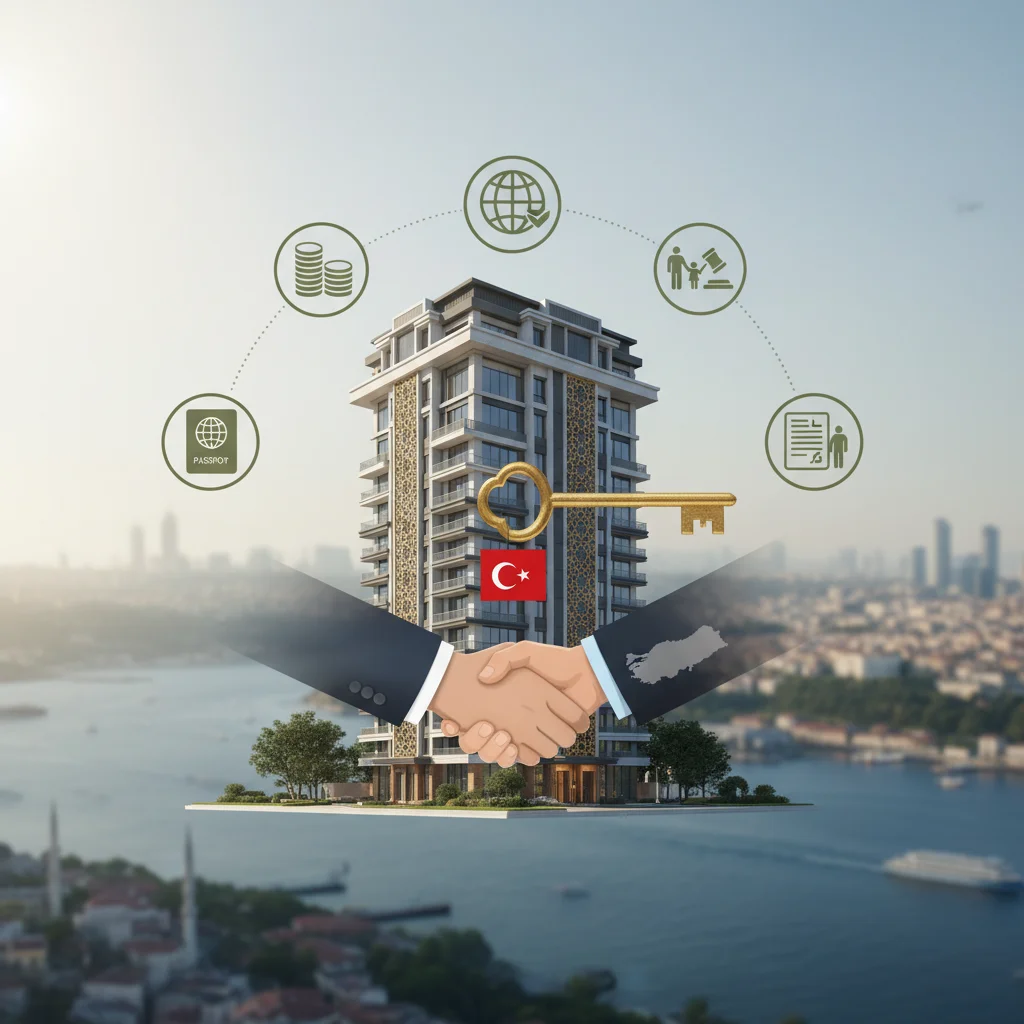
To minimize tax liability, investors should consider:
Given the complexity of Turkish tax law, investors benefit from:
Turkey continues updating its tax framework to attract foreign investment while ensuring compliance. Recent changes include simplified procedures for foreign investors and enhanced digital tax filing systems.
Understanding Turkey's real estate investment tax structure enables informed decision-making and optimal returns. Professional guidance ensures compliance while maximizing investment benefits in Turkey's thriving property market.
Information sourced from: Emlak Platform, Mbany Real Estate, and Massar Istanbul