US Dollar - USD
- Turkish Lira - TRY
- US Dollar - USD
- Euro - EUR
- Pound sterling - GBP
- Russian Ruble - RUB
- Chinese Yuan - CNY
- Georgian lari - GEL
- Saudi Riyal - SAR
- UAE Dirham - AED
- Syrian Pound - SYP
Turkey offers multiple pathways to citizenship for foreign nationals, with residency-based naturalization being one of the most accessible routes. The Turkish citizenship through residency program provides a structured approach for individuals who have established long-term residence in the country to eventually obtain full citizenship rights.
The process involves meeting specific residency requirements, demonstrating integration into Turkish society, and fulfilling various legal obligations. Unlike the citizenship by investment program, which requires a substantial financial commitment, the residency route focuses on continuous legal presence and cultural assimilation.
Turkish citizenship law, governed by Law No. 5901, establishes clear criteria for naturalization through residency. Applicants must demonstrate uninterrupted legal residence in Turkey for a minimum of five years immediately preceding their application. This period may be reduced under certain circumstances, particularly for individuals who have made significant contributions to Turkish society or economy.
The residency requirement is strictly enforced, with authorities conducting thorough reviews of an applicant's presence in the country. Temporary departures totaling more than six months during the five-year period may disqualify an application, emphasizing the importance of maintaining continuous residence.
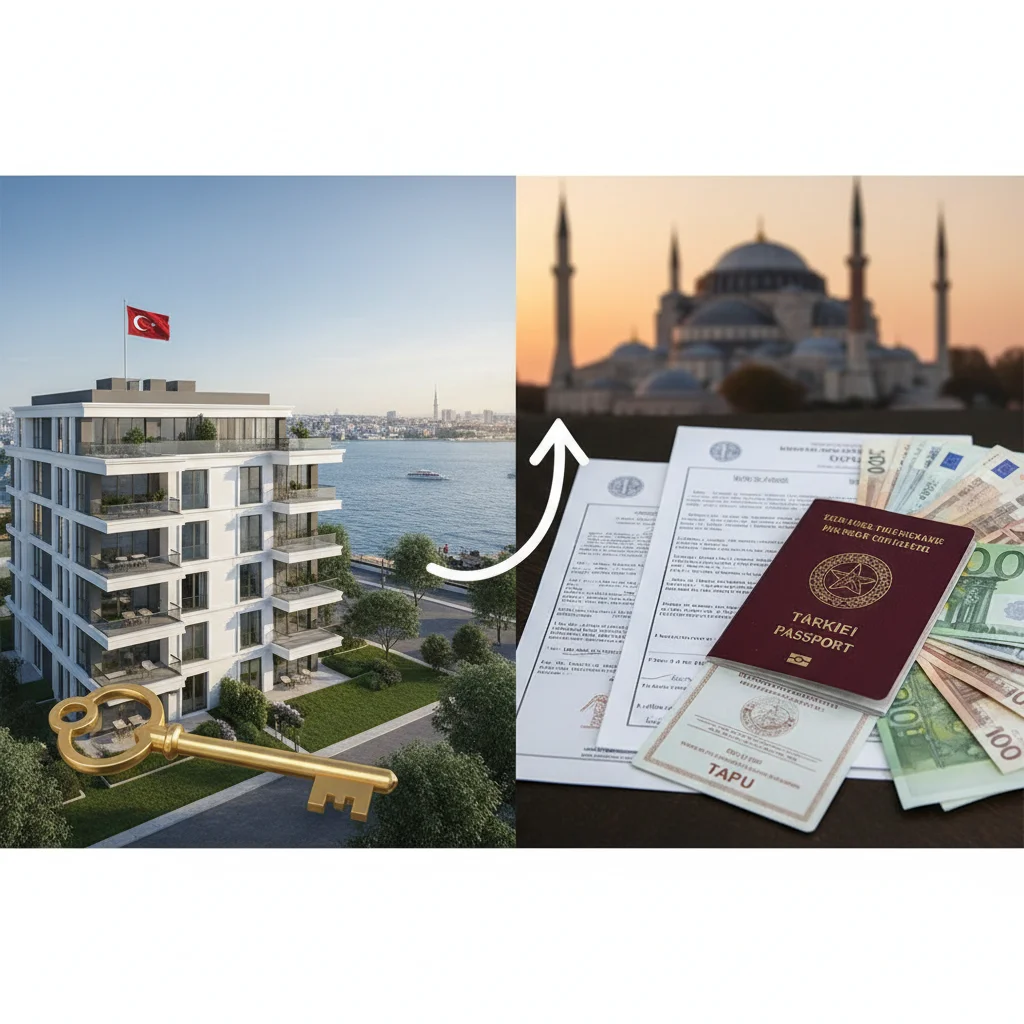
Real estate investment serves as an excellent foundation for establishing the required residency for Turkish citizenship. Property ownership provides stability and demonstrates long-term commitment to Turkey, factors that immigration authorities view favorably during citizenship evaluations.
Looking for the best real estate investment opportunity in Istanbul?
We help you choose the right property based on your budget and goals
Get a Free Consultation
Foreign nationals who purchase property in Turkey can obtain residence permits more easily, creating a pathway toward eventual citizenship eligibility. The property investment route offers several advantages, including rental income potential, capital appreciation, and the security of owning tangible assets in a strategically located country.
Choosing the right location for property investment significantly impacts both the residency experience and long-term investment returns. Istanbul remains the most popular choice due to its economic opportunities, cultural richness, and international connectivity. The city's diverse neighborhoods offer options ranging from historic districts to modern business centers.
Ankara, as the capital city, provides stability and government employment opportunities, making it attractive for professionals seeking long-term residency. Coastal cities like Antalya and Bodrum offer lifestyle benefits and strong tourism-driven rental markets, though they may provide fewer year-round employment opportunities.
| Property Type | Minimum Investment | Residency Benefit | Citizenship Timeline |
|---|---|---|---|
| Residential Apartment | $75,000+ | 1-year permit | 5+ years |
| Commercial Property | $100,000+ | 2-year permit | 5+ years |
| Luxury Villa | $200,000+ | 2-year permit | 5+ years |
| Investment Portfolio | $400,000+ | Direct citizenship | 3-6 months |
Turkey offers various residency permit categories, each serving different purposes and providing distinct pathways toward citizenship eligibility. Understanding these categories helps applicants choose the most appropriate route based on their circumstances and long-term goals.
The short-term residence permit serves as the foundation for most citizenship applications through residency. This permit is typically issued for one year and can be renewed annually, provided the holder continues to meet the eligibility criteria. Property owners often qualify for this permit category, as real estate ownership demonstrates both financial capacity and commitment to Turkey.
Holders of short-term residence permits must maintain their qualifying conditions throughout the residency period. This includes keeping valid health insurance, demonstrating sufficient financial resources, and avoiding criminal activities that could jeopardize their status.
After maintaining continuous legal residence for eight years, foreign nationals become eligible for long-term residence permits. This status provides greater security and fewer renewal requirements, making it an attractive milestone for those pursuing citizenship through residency.
Long-term residents enjoy many of the same rights as Turkish citizens, except for voting rights and diplomatic protection. This status significantly strengthens citizenship applications, as it demonstrates successful long-term integration into Turkish society.
Turkish citizenship through residency requires more than physical presence; applicants must demonstrate genuine integration into Turkish society. This involves learning the Turkish language, understanding cultural norms, and participating in community life.
Looking for the best real estate investment opportunity in Istanbul?
We help you choose the right property based on your budget and goals
Get a Free Consultation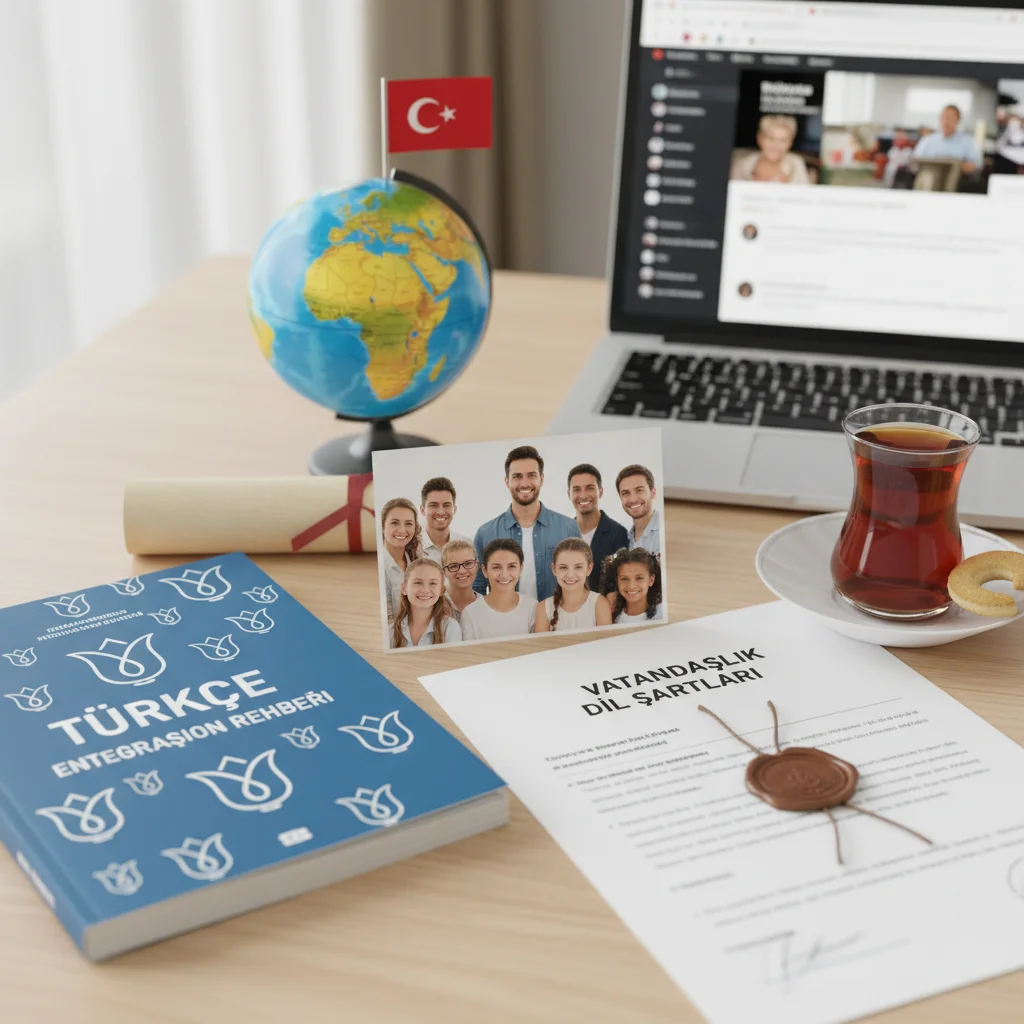
Language proficiency requirements have become increasingly important in citizenship evaluations. Applicants must demonstrate at least B1-level Turkish language skills through standardized testing or completion of approved language courses. This requirement reflects Turkey's emphasis on meaningful integration rather than mere residency.
Beyond language skills, citizenship applicants must show understanding of Turkish history, culture, and civic responsibilities. This includes knowledge of constitutional principles, democratic values, and social norms that govern Turkish society.
Participation in community activities, local associations, or professional organizations strengthens citizenship applications by demonstrating active engagement with Turkish society. Volunteer work, charitable contributions, and cultural participation all contribute to a positive evaluation.
Citizenship through residency requires demonstrating financial stability and economic integration. Applicants must show they can support themselves and their families without relying on public assistance, while also contributing to the Turkish economy.
Steady employment or business income throughout the residency period strengthens citizenship applications. Tax compliance is particularly important, as authorities review tax records to verify both income levels and civic responsibility.
Self-employed individuals and business owners must demonstrate legitimate business operations and compliance with Turkish commercial law. Property investors can satisfy financial requirements through rental income, capital gains, or other investment returns.
Turkish tax residency typically begins after six months of continuous presence in the country. Foreign nationals pursuing citizenship must understand their tax obligations and maintain full compliance throughout the residency period.
Property owners face specific tax obligations, including annual property taxes and potential rental income taxes. Proper tax planning and compliance not only fulfill legal requirements but also demonstrate the responsible citizenship qualities that authorities evaluate.
The citizenship application process through residency involves multiple stages and can take 12-24 months from submission to final decision. Understanding each phase helps applicants prepare properly and avoid common delays.
Applications must be submitted to the local governorate where the applicant maintains residence. Complete documentation is essential, as incomplete applications face automatic rejection or significant delays.
The initial review focuses on verifying residency periods, checking criminal background, and confirming document authenticity. This phase typically takes 3-6 months, depending on the complexity of the case and workload at the processing office.
All citizenship applications undergo thorough security screening by relevant Turkish authorities. This process examines the applicant's activities during the residency period, international travel patterns, and any potential security concerns.
Applicants with complex international backgrounds or frequent travel may face extended verification periods. Transparency and cooperation during this phase are essential for successful outcomes.
| Application Phase | Duration | Key Activities | Applicant Requirements |
|---|---|---|---|
| Initial Submission | 1-2 weeks | Document review | Complete documentation |
| Preliminary Assessment | 3-6 months | Eligibility verification | Respond to queries |
| Security Screening | 6-12 months | Background investigation | Maintain clean record |
| Final Decision | 2-4 months | Approval/rejection | Oath ceremony preparation |
The citizenship through residency process presents various challenges that applicants must navigate successfully. Understanding these potential obstacles and their solutions helps ensure smooth application processing.
Gathering and maintaining proper documentation over a five-year period can be complex, particularly for individuals who have changed addresses, employment, or family status. Lost documents, expired permits, or gaps in documentation can significantly delay applications.
Proactive document management throughout the residency period prevents many common problems. Maintaining organized records, renewing permits well before expiration, and keeping certified copies of important documents helps avoid last-minute complications.
Language requirements pose significant challenges for many applicants, particularly those from non-Turkish speaking backgrounds. The B1 proficiency requirement demands substantial commitment to language learning over the residency period.
Early investment in Turkish language education yields the best results. Many cities offer government-sponsored language courses for residents, while private tutoring and online programs provide additional learning opportunities.
Turkey offers multiple pathways to citizenship, each with distinct advantages and requirements. Comparing the residency route with alternatives helps potential applicants choose the most appropriate path for their circumstances.
The citizenship by investment program requires a minimum $400,000 property investment but offers much faster processing, typically completing within 3-6 months. However, this route demands significant upfront capital and maintains property ownership restrictions for three years.
The residency route requires lower initial investment but demands longer time commitment and greater integration effort. This path may be more suitable for individuals planning long-term residence in Turkey regardless of citizenship outcomes.
Marriage to a Turkish citizen provides an accelerated citizenship path, reducing residency requirements to three years. However, this route involves additional scrutiny of relationship authenticity and may not be available to all applicants.
Family-based applications through Turkish citizen children or parents offer another alternative, though these require specific family relationships and may involve complex legal procedures.
| Citizenship Route | Investment Required | Time Requirement | Integration Needs | Success Rate |
|---|---|---|---|---|
| Residency-Based | $75,000+ property | 5+ years | High | 85% |
| Investment Program | $400,000+ property | 3-6 months | Minimal | 95% |
| Marriage-Based | None required | 3 years | Moderate | 80% |
| Exceptional Service | Varies | No minimum | Varies | Variable |
Turkish citizenship and residency laws continue evolving to meet changing economic and security needs. Recent amendments have strengthened integration requirements while maintaining accessibility for qualified applicants.
Recent changes have emphasized language proficiency and cultural integration, reflecting Turkey's commitment to meaningful citizenship rather than purely transactional relationships. Enhanced background screening procedures now include social media review and extended international cooperation.
Property investment thresholds have remained stable, though authorities now conduct more thorough verification of investment sources and property valuations. These changes aim to ensure genuine investment rather than artificial transactions designed solely for residency purposes.
Experts anticipate continued emphasis on integration requirements, with possible expansion of cultural knowledge testing and community involvement verification. Digital transformation of application processes may reduce processing times while improving security screening capabilities.
The growing importance of Turkey's strategic position may lead to increased scrutiny of applications from certain regions, while maintaining openness to genuine investors and residents who contribute positively to Turkish society.
This comprehensive guide to Turkish citizenship through residency provides essential information for foreign nationals considering this pathway. Success requires careful planning, consistent compliance with legal requirements, and genuine commitment to integration into Turkish society.
Information sourced from Emlak Platform, Mbany Real Estate, and Massar Istanbul.