US Dollar - USD
- Turkish Lira - TRY
- US Dollar - USD
- Euro - EUR
- Pound sterling - GBP
- Russian Ruble - RUB
- Chinese Yuan - CNY
- Georgian lari - GEL
- Saudi Riyal - SAR
- UAE Dirham - AED
- Syrian Pound - SYP
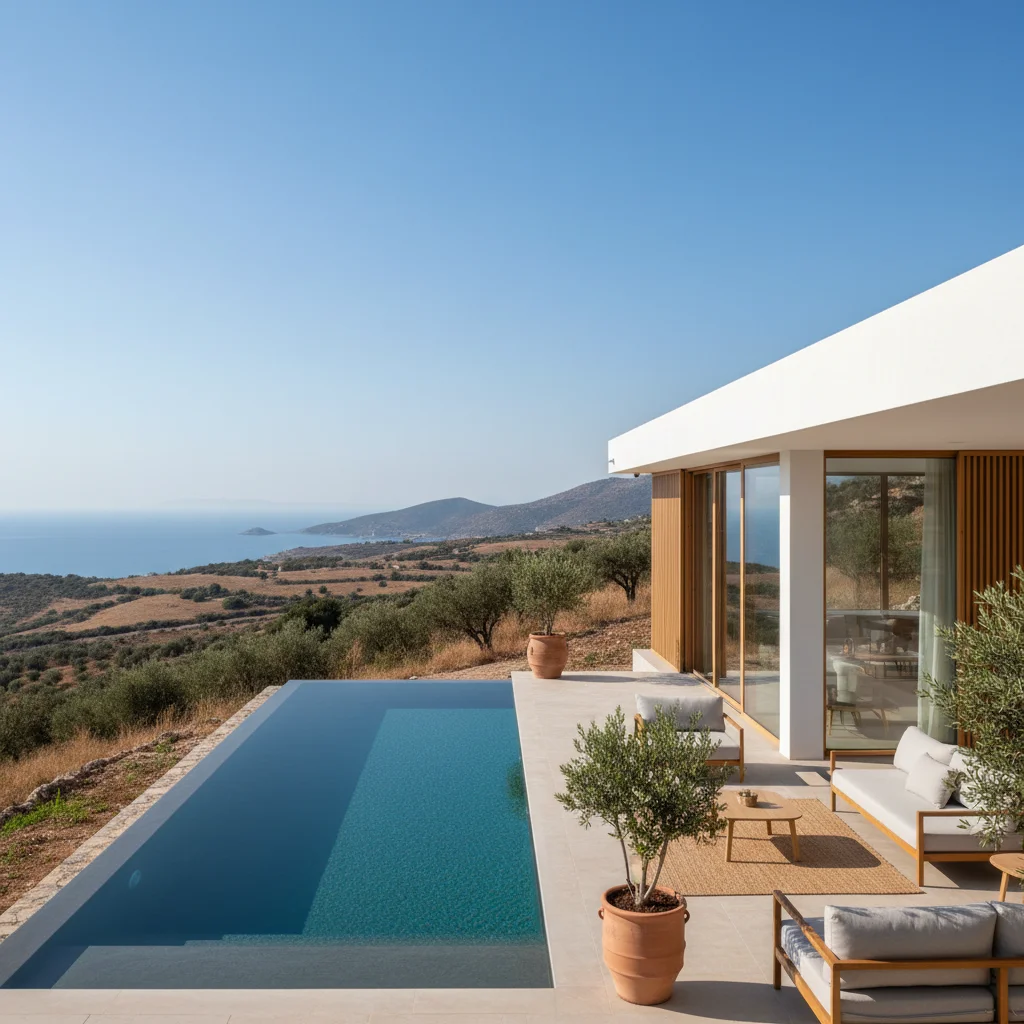
The quest for standalone living, spacious gardens, and Mediterranean tranquility has driven worldwide investors toward the Turkish real estate market. While luxury mega-mansions on the Bosphorus or cliffside estates in Kalkan capture international headlines, the market for budget-friendly detached and semi-detached homes remains vibrant. Buyers searching for "cheap villas for sale in Turkey" often discover that affordability does not require compromising on build quality, coastal access, or capital appreciation.
In 2026, finding an economical villa requires looking past oversaturated central luxury districts and identifying emerging regional hubs, suburban peripheries, and secondary cities. Turkey's extensive infrastructure developments—including high-speed rail lines, expanded highway networks, and modern regional airports—have integrated once-remote suburbs into viable residential zones. Whether you are an investor looking for high rental yields, a retiree seeking a peaceful Mediterranean sanctuary, or a family pursuing international residency, cost-effective options exist across several provinces.
Property valuations vary significantly across Turkey's 81 provinces. Understanding the geographical distribution of price-per-square-meter values helps pinpoint locations where a standalone home remains within an accessible budget.
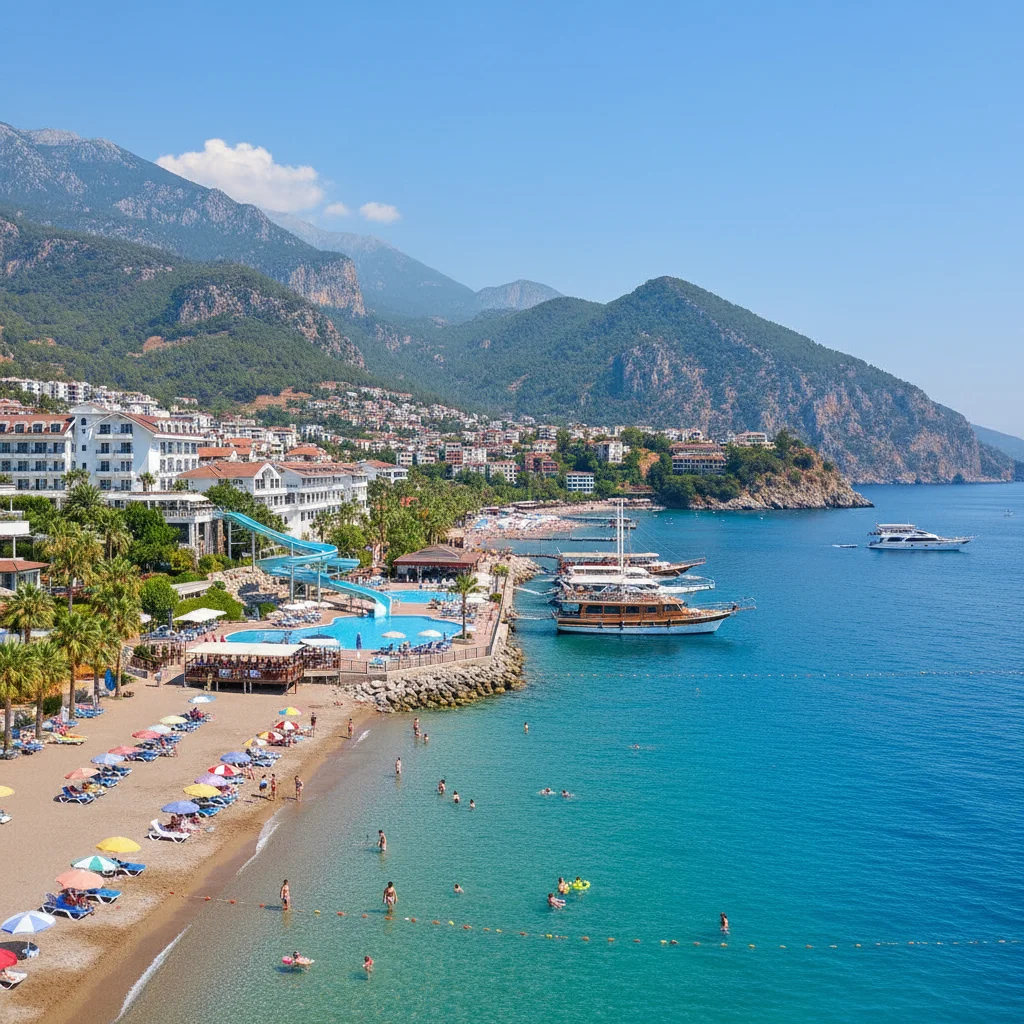
While central Antalya and beachfront Lara command premium rates, inland and developing districts present compelling alternatives:
Living in Istanbul in a detached property does not have to cost millions of dollars, provided you explore the outer perimeter:
Looking for the best real estate investment opportunity in Istanbul?
We help you choose the right property based on your budget and goals
Get a Free Consultation
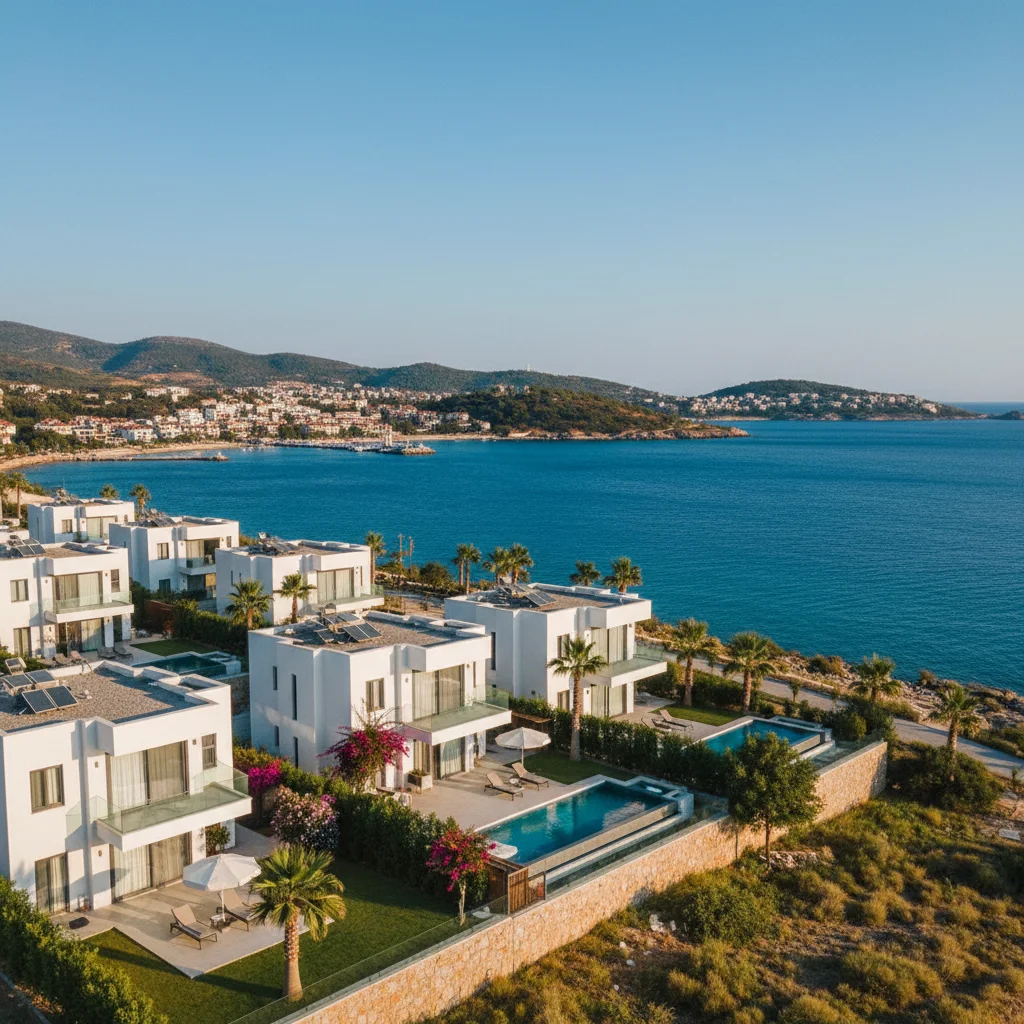
The southern Aegean coastline hosts notable variations in pricing:
Investors seeking green landscapes, mountain vistas, and cooler weather gravitate toward the Marmara hinterlands:
Market dynamics shift based on proximity to coastlines, urban amenities, and overall square footage. Below is a comparative overview of average starting prices, expected yields, and lifestyle dynamics across leading budget-friendly regions.
| Region / District | Property Configuration | Average Starting Price (USD) | Average Plot Size (sqm) | Projected Gross Rental Yield |
|---|---|---|---|---|
| Döşemealtı, Antalya | 3 to 4-Bedroom Detached / Gated Site | $260,000 – $340,000 | 350 – 500 | 6.2% – 7.5% |
| Demirtaş, Alanya | 3-Bedroom Semi-Detached Duplex | $190,000 – $250,000 | 250 – 350 | 7.0% – 8.8% |
| Silivri, Istanbul | 3 to 4-Bedroom Detached Villa | $240,000 – $320,000 | 400 – 600 | 5.5% – 6.8% |
| Didim (Akbük / Altınkum) | 3-Bedroom Semi-Detached / Shared Pool | $170,000 – $230,000 | 200 – 300 | 6.5% – 8.0% |
| Mudanya, Bursa | 4-Bedroom Detached Family Home | $210,000 – $280,000 | 300 – 450 | 5.8% – 7.0% |
| Sapanca, Sakarya | 3 to 4-Bedroom Detached with Garden | $250,000 – $350,000 | 450 – 700 | 8.0% – 10.5% (Short-term) |
The Turkish property market operates under transparent land registry procedures regulated by the General Directorate of Land Registry and Cadastre (Tapu ve Kadastro Genel Müdürlüğü - TKGM). International buyers enjoy broad ownership rights, provided they understand fundamental statutory guidelines.
Under the Land Registry Law amended via Article 35, Turkey abolished strict reciprocity for over 180 nationalities. Foreign citizens may legally acquire land and residential properties in their own names, subject to national security limits: non-citizens cannot own property in restricted military zones or acquire more than 30 hectares nationwide without special council permissions.
To eliminate artificial price inflation and protect foreign investors, all cross-border transactions require an official real estate appraisal report conducted by a licensed Capital Markets Board (SPK) expert. This report determines the official valuation entered into the land registry records, ensuring you pay fair market value.
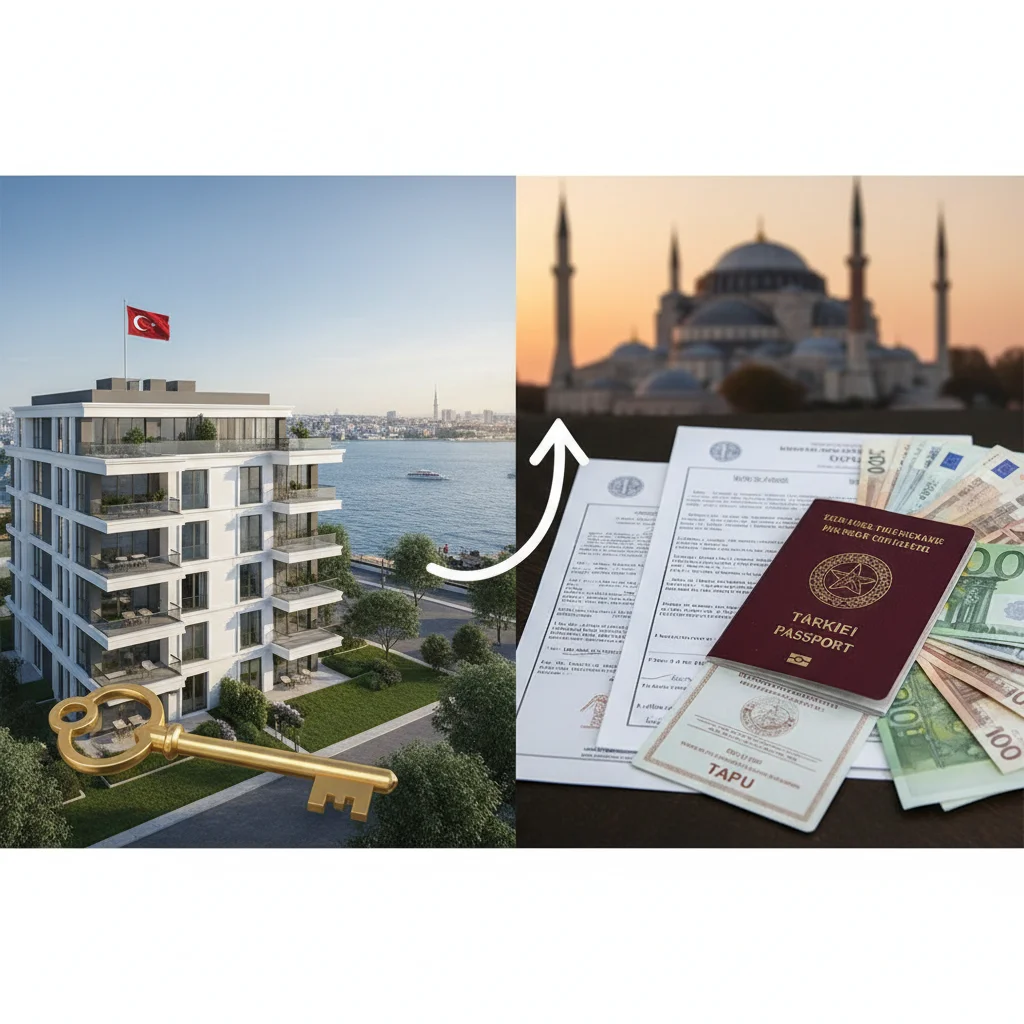
Since central banking reforms took effect, foreign real estate buyers must convert foreign currency (USD, EUR, or GBP) into Turkish Liras through an authorized Turkish bank prior to deed transfer. The Central Bank issues a Foreign Exchange Certificate (DAB) confirming the legal currency conversion for the exact sale amount registered on the title deed.
Looking for the best real estate investment opportunity in Istanbul?
We help you choose the right property based on your budget and goals
Get a Free Consultation
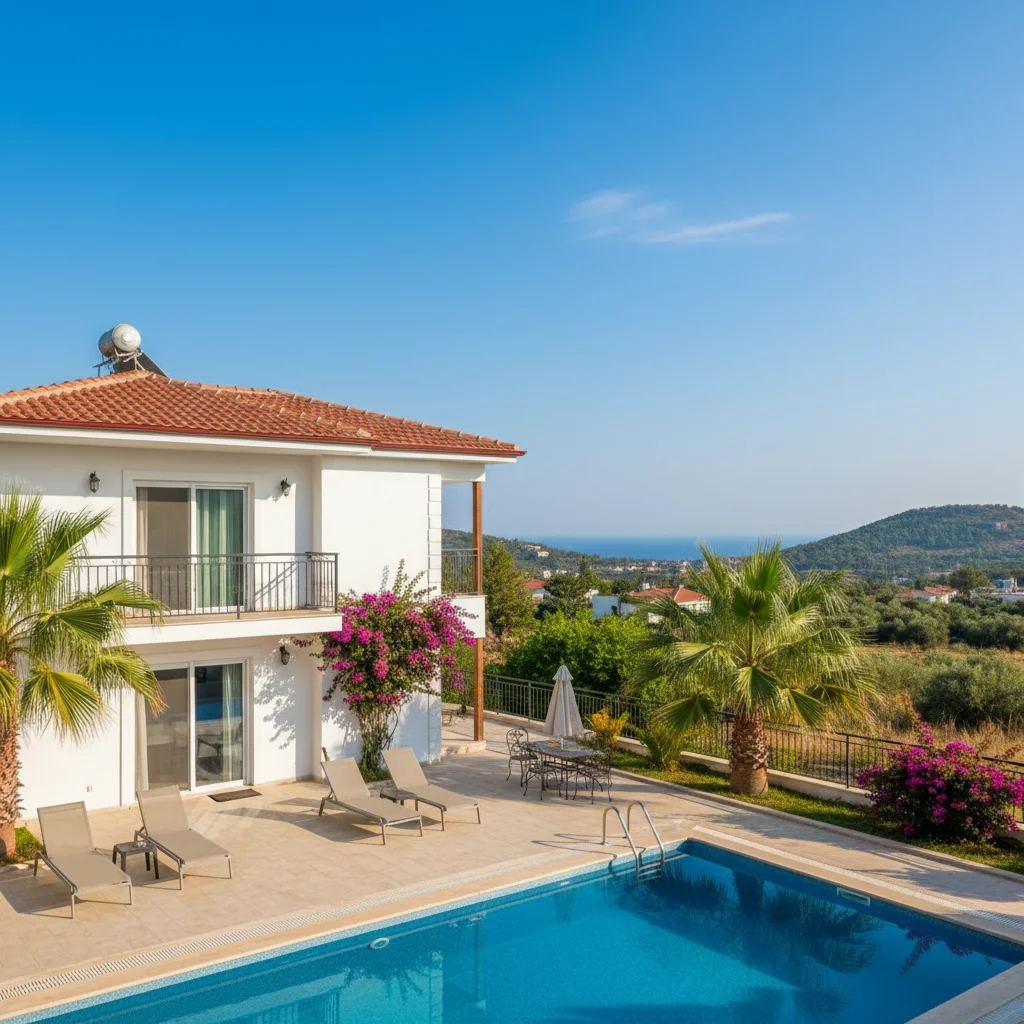
Purchasing an affordable home in Turkey serves dual purposes: securing tangible property and unlocking immigration benefits.
Owning property provides a direct pathway to a renewable real estate residence permit. Under updated regulations, foreign nationals purchasing residential real estate must ensure the title deed valuation reaches or exceeds the current statutory baseline ($200,000 across metropolitan municipalities). Budget-friendly standalone homes in regions like Antalya, Bursa, or Istanbul's outer districts comfortably satisfy this requirement, allowing buyers and their immediate families to reside legally in the country.
For investors aiming for direct citizenship, the minimum real estate investment threshold sits at $400,000. While a single "cheap" villa may fall below this amount, the law permits combining multiple properties under one application. For example, an investor can purchase two economical villas valued at $200,000 each in Didim or Alanya, qualify for Turkish citizenship, and run both as income-generating rental properties under a mandatory three-year holding agreement.
Navigating the purchase process smoothly requires working with professional real estate consultants, bilingual sworn translators, and independent legal advisors.
Once suitable listings match your criteria, your legal representative conducts a thorough title search (Tapu incelemesi) at the district Land Registry Office. This checks for:
Foreign buyers must obtain a Turkish Potential Tax Number (Vergi Kimlik Numarası) through the interactive tax authority portal or any local branch. Using this tax identity alongside a notarized passport translation, you can open a local banking account with institutions such as Ziraat Bankası, VakıfBank, Kuveyt Türk, or Garanti BBVA.
A formal bilingual purchase agreement details installment schedules, delivery specifications, inventory, and handover deadlines. A standard reservation deposit (typically 5% to 10%) locks in the price and removes the home from public listings.
Following the issuance of the DAB document and appraisal sign-off, both parties meet at the district Land Registry Office. A sworn, licensed translator assists non-Turkish speakers through final declarations. Once administrative transfer fees are settled, the official red title deed (Tapu) is printed and handed to the new owner.
Calculating the true cost of an economical property purchase extends beyond the sticker price. Buyers must factor in administrative acquisition costs and ongoing maintenance liabilities.
A calculated acquisition strategy transforms an economical villa into a resilient cash-flow asset.
Securing villa projects at initial launch stages directly from established developers enables buyers to capitalize on staged pricing adjustments. Off-plan contracts frequently feature interest-free installment plans spanning 12 to 24 months, with standard capital appreciation rates of 20% to 35% between groundbreaking and final delivery.
Villas in scenic locations like Sapanca, Alanya, or Didim demonstrate exceptional seasonal occupancy rates. Turkey's regulatory framework requires short-term operators to obtain official tourism residence licenses from the Ministry of Culture and Tourism, report guest identification through municipal police integration systems, and maintain safety equipment. Properties adhering to these standards yield substantial seasonal returns, particularly from May through October.
Suburban homes located near international schools, university campuses, and manufacturing corridors (such as Silivri or Mudanya) generate consistent long-term rental income from local professionals and digital nomads seeking garden space away from urban density.
Lower purchase prices can occasionally obscure structural, logistical, or legal deficiencies. Due diligence helps circumvent common pitfalls:
Yes. Foreign buyers can obtain a real estate residence permit (İkamet) by acquiring residential property, provided the official appraisal valuation meets or exceeds the regulatory threshold of $200,000 in metropolitan municipalities. The title deed must designate the property for residential use, and you must hold the asset throughout the residency period.
Properties constructed after the implementation of modern seismic building codes adhere to strict structural standards enforced through third-party engineering audits (Yapı Denetim). To ensure optimal safety, verify that your chosen villa has an official occupancy permit (İskan), examine the structural inspection records, and maintain continuous coverage under the compulsory national earthquake insurance program (DASK).
Yes. You can complete the entire property acquisition process remotely by issuing a specialized Power of Attorney (Vekaletname) to a licensed Turkish attorney or authorized representative. This legal document can be executed at any Turkish consulate abroad or via a certified local notary with an Apostille certificate.
Didim, surrounding districts of Altınkum/Akbük along the Aegean Sea, and outer neighborhoods of Alanya (such as Demirtaş and Gazipaşa) on the Mediterranean coast regularly offer some of the most competitive square-meter prices for standalone and semi-detached villas with coastal proximity.
Securing an affordable villa in Turkey balances attainable entry prices with strong lifestyle and financial upside. By shifting attention toward well-connected suburbs, newly developed coastal towns, and burgeoning northwestern regions, foreign investors can access generous plot sizes, private outdoor spaces, and legal residency protections without the inflated costs of central city centers. Partnering with reputable consultants and conducting disciplined legal verification ensures your Turkish property journey remains safe, transparent, and financially rewarding.
Real estate insights and legal frameworks referenced in this article are sourced from Emlak Platform, Mbany Real Estate, and Massar Istanbul.