US Dollar - USD
- Turkish Lira - TRY
- US Dollar - USD
- Euro - EUR
- Pound sterling - GBP
- Russian Ruble - RUB
- Chinese Yuan - CNY
- Georgian lari - GEL
- Saudi Riyal - SAR
- UAE Dirham - AED
- Syrian Pound - SYP
The Turkish real estate sector in 2026 offers compelling opportunities for international buyers seeking spacious, detached living without the prohibitive price tags seen in Western Europe or the Gulf. While central metropolitan districts command high premiums, the demand for affordable villas has triggered an expansion into emerging suburban corridors and picturesque coastal peripheries. Modern property buyers are no longer limited to high-density apartment blocks; strategic urban planning, infrastructure expansions, and competitive developer incentives have unlocked private houses and duplex villas at accessible entry points.
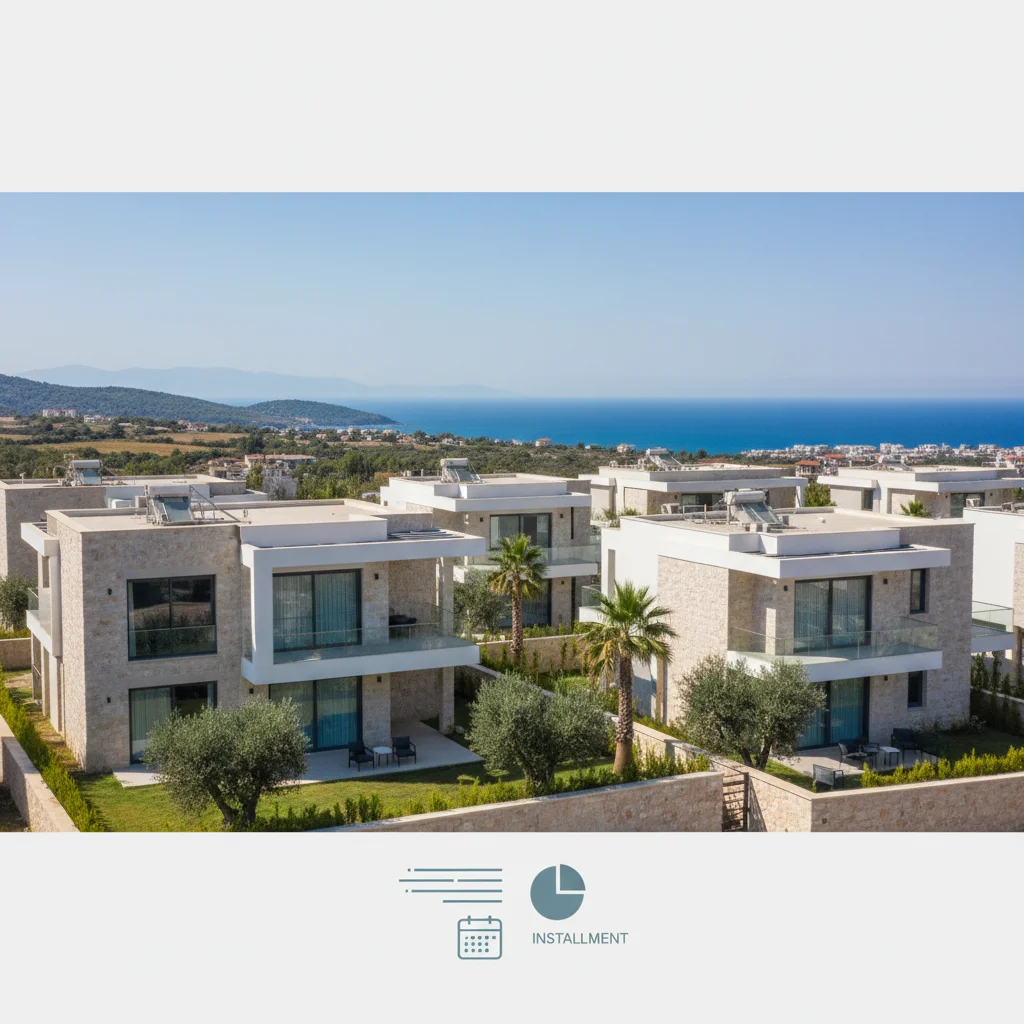
Purchasing a villa through structured installment plans represents one of the most financially sound methods to acquire Turkish property. Developers actively counter global high-interest borrowing environments by functioning as direct lenders. By offering flexible, interest-free payment schedules stretched across construction timelines or extended post-handover periods, real estate builders allow overseas investors and second-home seekers to secure high-growth assets with manageable capital outlays.
Securing a local bank mortgage as a foreign national in Turkey can present procedural friction, including currency exchange volatility, stringent debt-to-income vetting, and variable lending rates. Consequently, off-plan developer financing has become the primary mechanism for buying affordable villas.
Under an in-house installment plan, the buyer signs an official sales promise contract directly with the construction company or master developer. The financial mechanics generally adhere to the following framework:
Looking for the best real estate investment opportunity in Istanbul?
We help you choose the right property based on your budget and goals
Get a Free ConsultationInvesting in villas under construction delivers several distinct economic advantages over buying resale, fully completed turnkey homes:
Pinpointing an affordable villa requires looking beyond hyper-prime enclaves such as Bebek in Istanbul, Yalıkavak in Bodrum, or Konyaaltı in Antalya. The most lucrative and cost-effective detached homes exist in well-connected suburban growth rings and emerging holiday towns.
For investors prioritizing commercial proximity to Istanbul's major economic engines, the western European districts provide exceptional value. Silivri and Çatalca have transformed into the premier destination for private, gated villa communities. With the expansion of the Northern Marmara Motorway, commuting to Istanbul Airport and central business districts is remarkably efficient. Villa compounds here feature communal swimming pools, private gardens, and detached layouts at costs comparable to two-bedroom apartments in central Istanbul.
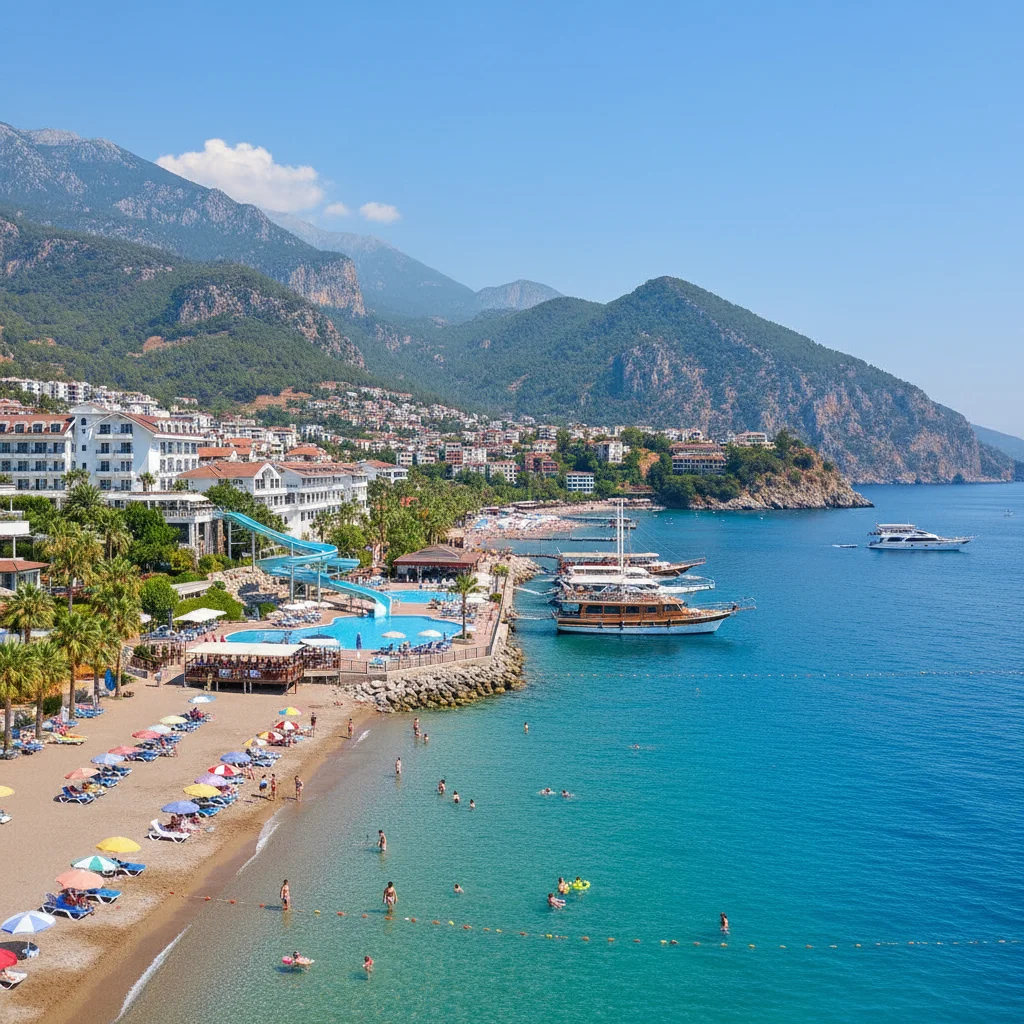
Antalya remains the crown jewel of Mediterranean living. While beachfront villas in Lara or Kemer exceed prime budgets, inland districts such as Döşemealtı present an ideal microclimate with lower humidity and lower land acquisition costs. Döşemealtı hosts master-planned residential villa projects with 24- to 36-month payment terms, making detached Mediterranean living accessible to mid-market budgets. East of Antalya, the Aksu district offers strategic proximity to international air transit and coastal attractions.
Alanya's micro-market operates independently with dynamic foreign interest. In neighborhoods such as Demirtaş and Avsallar, developers build boutique villa clusters tucked into the foothills of the Taurus Mountains. These properties provide panoramic sea or forest views, private pools, and favorable payment structures designed for European and Middle Eastern lifestyle purchasers.
Yalova, situated across the Marmara Sea from Istanbul, is accessible via a high-speed car ferry in under 45 minutes. Areas like Çınarcık and Armutlu deliver affordable detached and semi-detached villas bordered by natural thermal springs and lush greenery. Similarly, Bursa’s Nilüfer and Mudanya districts offer family-oriented villa complexes with multi-year developer payment plans and lower living costs.
Sapanca has evolved from a weekend getaway for Istanbul residents into a year-round tourist hub. While prime lakefront villas command elevated figures, newly developing tracts in nearby Sakarya and Arifiye feature affordable nature-view villas. These properties enjoy strong short-term holiday rental demand throughout all four seasons.
The table below outlines typical entry-level metrics for brand-new villa developments offering structured installment plans across key Turkish investment hubs in 2026:
| Region / District | Property Type | Starting Price (USD) | Typical Down Payment | Installment Duration | Estimated Completion Yield |
|---|---|---|---|---|---|
| Istanbul (Silivri / Çatalca) | 3-Bed Detached Villa | $260,000 - $340,000 | 35% - 50% | 24 - 36 Months | 7% - 9% Capital Growth/yr |
| Antalya (Döşemealtı) | 4-Bed Private Pool Villa | $290,000 - $380,000 | 40% | 18 - 24 Months | 8% - 10% Capital Growth/yr |
| Alanya (Demirtaş / Kargıcak) | 3-Bed Semi-Detached | $210,000 - $280,000 | 30% - 40% | 24 - 30 Months | 6% - 8% Net Rental Yield |
| Yalova (Çınarcık) | 3-Bed Duplex Villa | $180,000 - $240,000 | 35% | 24 - 36 Months | 6% - 7% Net Rental Yield |
| Sakarya / Sapanca | 3-Bed Detached Bungalow/Villa | $220,000 - $310,000 | 50% | 12 - 24 Months | 9% - 12% Short-Term Rental |
Looking for the best real estate investment opportunity in Istanbul?
We help you choose the right property based on your budget and goals
Get a Free Consultation
Acquiring real estate via off-plan installment arrangements requires rigorous legal scrutiny to ensure that your financial commitments are legally protected under Turkish real estate law.
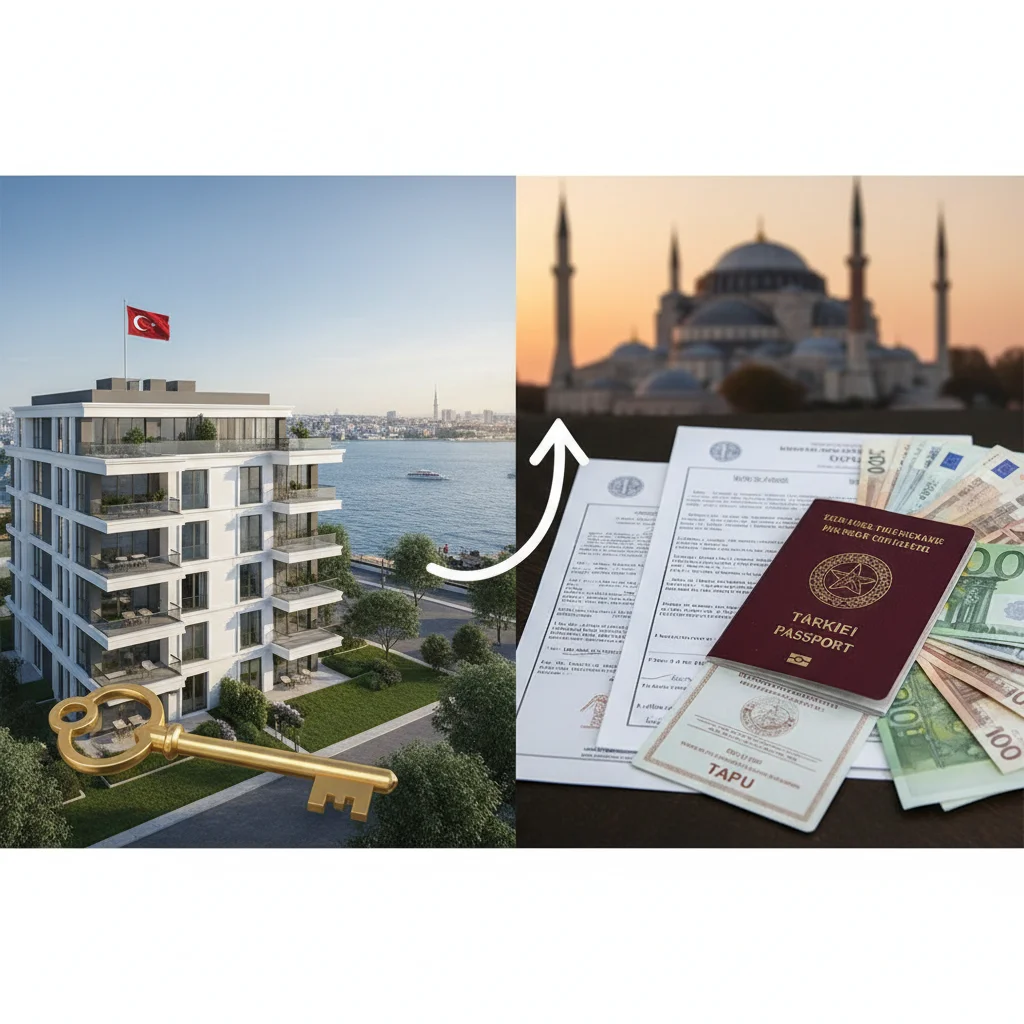
When purchasing a villa on installments, the title deed (Tapu) is generally transferred to the buyer once the full balance is paid, or earlier if an official mortgage lien (ipotek) is placed on the deed in favor of the developer. To guarantee legal ownership rights before the title deed transfer, the transaction must be executed through a Notarized Preliminary Sales Contract (Düzenleme Şeklinde Taşınmaz Satış Vaadi Sözleşmesi).
Before executing payments, buyers or their independent legal representatives must verify three non-negotiable prerequisites:
Navigating immigration regulations is crucial when structuring installment property purchases. Turkey maintains distinct property-based residency and citizenship tracks, each governed by specific statutory minimums.
Under the Turkish Citizenship by Investment regulations, foreign nationals purchasing real estate must meet the minimum investment threshold of $400,000 (or its foreign currency equivalent). When utilizing installment contracts, particular conditions apply:
For buyers aiming for long-term residency rather than immediate citizenship, Turkish immigration mandates an acquisition value threshold of $200,000 for residential real estate. When acquiring via installments:
An affordable villa purchased on an installment plan can serve as a primary residence, a holiday home, or a high-performing investment asset. Capitalizing on your property requires selecting an operational model aligned with regional market demands and current local regulations.
Short-term holiday rentals in tourist hubs like Antalya, Alanya, and Sapanca can yield superior gross returns (often 9% to 14% annually) compared to standard long-term residential leases. However, owners must comply with Turkey's statutory short-term rental laws, which require obtaining an official Tourism Residence Permit from the Ministry of Culture and Tourism, installing standardized safety systems, and reporting guest identities through the police department’s identity management portal (KBS).
Long-term leasing remains the lower-maintenance alternative in commuter zones like Silivri or Nilüfer, offering consistent occupancy, minimal turnaround costs, and dependable cash flows to offset ongoing installment commitments.
For remote overseas investors, engaging a licensed property management agency is essential to protect the asset and maximize yield. Standard property management agreements in Turkey cover:
To successfully navigate the acquisition journey from initial site selection to final key handover, buyers should follow a structured sequence of milestones:
Engage a licensed real estate consultancy to view shortlisted developments across your target micro-locations. Evaluate the physical infrastructure surrounding the project, including road networks, municipal utility connections (water, gas, electricity, fiber internet), proximity to medical facilities, and overall construction quality.
Retain an independent English-speaking Turkish real estate attorney. Avoid using legal representatives affiliated directly with the developer. Your attorney will review all company charters, title deeds, building permits, and ensure the proposed installment contract includes clear penalty clauses for construction delays.
Obtain a Turkish Tax Identification Number (Vergi Kimlik Numarası), which can be generated online within minutes. Open an account with a Turkish commercial bank (e.g., Ziraat Bankası, VakıfBank, Garanti BBVA, or İşbank) to route all subsequent payment installments securely through trace-verified banking networks.
Finalize and sign the official preliminary sales contract before a certified public notary. Wire the initial agreed down payment directly from your personal account to the developer’s corporate business account, securing a formal stamped receipt (dekont) bearing the relevant project unit details.
Disburse installment payments in accordance with your contractual payment schedule. It is advisable to request quarterly photographic and engineering progress reports from the developer or an independent building auditor before releasing milestone-based balloon payments.
Upon settling the final installment balance, schedule the formal title transfer appointment at the local Land Registry Office (Tapu ve Kadastro Müdürlüğü). Obtain your blue/red title deed document, conduct the property walkthrough inspection, secure the habitation certificate (İskan), and connect private residential utility subscriptions.
While developer installment plans eliminate loan origination fees and bank interest charges, buyers must account for standard closing costs and administrative outlays:
Securing an affordable villa in Turkey on an installment plan provides a clear pathway to private homeownership, lifestyle enrichment, and portfolio diversification. By leveraging zero-interest developer credit, targeting high-growth satellite districts, and implementing strict legal due diligence, international investors can secure prime detached real estate while maintaining optimal capital flexibility.
Market insights, regulatory standards, and valuation models referenced in this guide are derived from industry data and professional guidance provided by: