US Dollar - USD
- Turkish Lira - TRY
- US Dollar - USD
- Euro - EUR
- Pound sterling - GBP
- Russian Ruble - RUB
- Chinese Yuan - CNY
- Georgian lari - GEL
- Saudi Riyal - SAR
- UAE Dirham - AED
- Syrian Pound - SYP
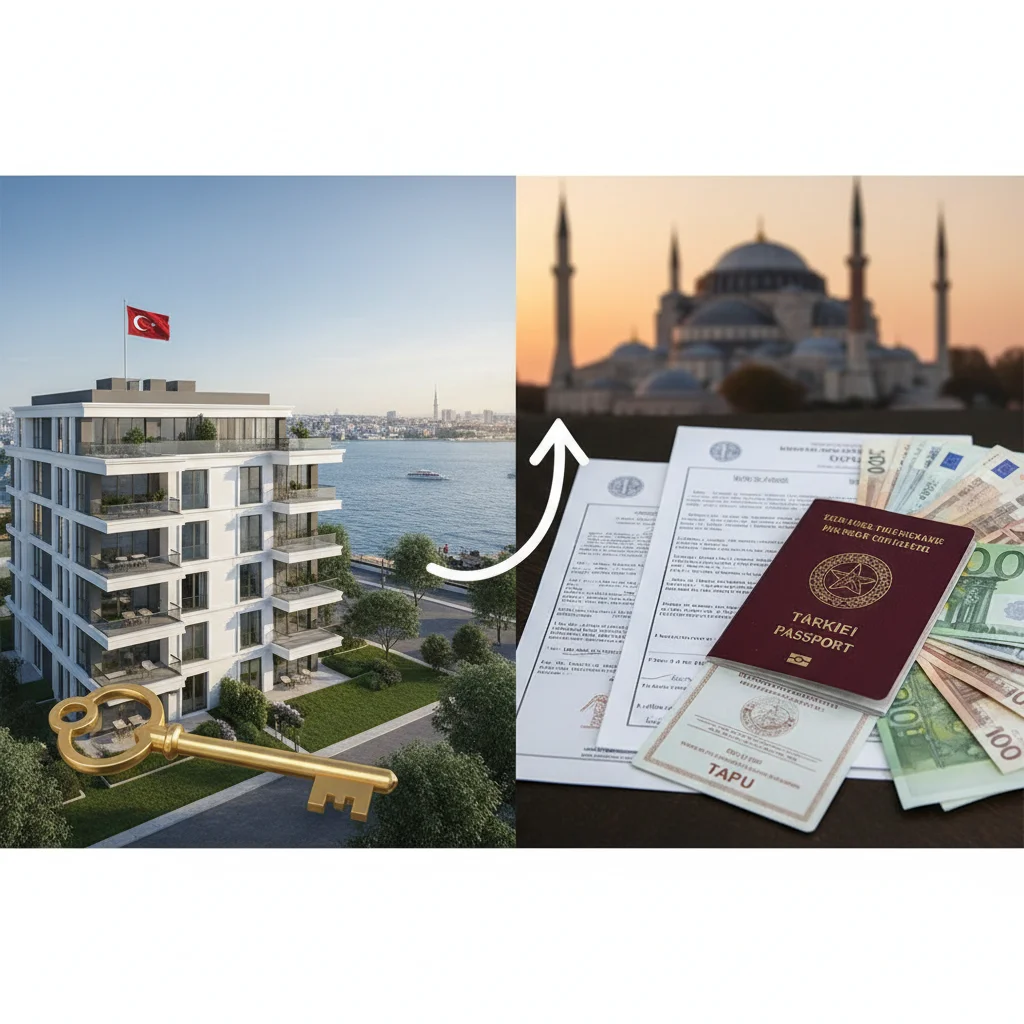
Turkey has long occupied a unique position on the global real estate map, bridging Europe and Asia while offering a dynamic domestic housing market paired with accessible residency and citizenship pathways. For international buyers evaluating cross-border assets in 2026, Turkish real estate represents more than a lifestyle purchase—it is a strategic vehicle for capital diversification, rental cash flow, and long-term legal mobility.
Navigating the Turkish property landscape, however, requires precision. Over the past few years, Ankara has refined its immigration thresholds, tightened short-term rental regulations, and enforced stricter valuation and foreign-currency conversion procedures. Buyers who understand these updated rules—from obtaining an official appraisal to structuring a compliant property management plan—stand to capture durable value while avoiding costly administrative setbacks.
Real estate remains one of the primary stores of wealth in Turkey, supported by deep domestic demand and steady international interest from the Middle East, Europe, Central Asia, and North America. Even as global interest rates have reshaped capital flows, Turkey's underlying demographic and urban fundamentals continue to underpin long-term housing absorption.
With a population exceeding 85 million and a relatively young median age, Turkey generates persistent organic demand for modern residential units. Major metropolitan centers such as Istanbul, Ankara, and Izmir face ongoing urban renewal initiatives aimed at replacing older building stock with earthquake-resilient developments. For investors, newly constructed master-planned communities with full social amenities and seismic compliance command stronger resale liquidity and higher tenant retention than aging standalone apartments.
Unlike jurisdictions that restrict foreign buyers to 99-year leaseholds or require local corporate sponsors, Turkey grants international investors full freehold ownership (Tapu) in most urban and coastal districts. Key advantages for 2026 buyers include:
One of the most frequent misconceptions among first-time buyers is conflating Turkey's real estate residency permit with its citizenship-by-investment program. While both rely on acquiring immovable property, their financial thresholds, holding requirements, and legal benefits differ substantially.
| Feature | Property Residency Permit (Ikamet) | Citizenship by Investment (CBI) |
|---|---|---|
| Minimum Property Value | $200,000 USD (single property) | $400,000 USD (single or multiple properties) |
| Holding Period | Continuous ownership required for renewals | Minimum 3-year non-sale annotation on Tapu |
| Eligible Family Members | Spouse and children under 18 | Spouse and children under 18 |
| Neighborhood Restrictions | Subject to closed-district foreign quota limits | Exempt from closed-district residency quotas |
| Path to Passport | Eligible after 5 years of continuous residency (with stay requirements) | Immediate citizenship application upon Tapu registration (typically 4 to 8 months processing) |
| Physical Stay Requirement | Recommended for smooth renewals and long-term eligibility | None required to maintain citizenship |
For investors seeking a legal base in Turkey without committing $400,000, the short-term property-based residence permit (Tasınmaz Amaclı Ikamet Izni) remains an attractive route. Under current regulations enforced through 2026, the property's official value—verified by both the declared Tapu sales price and a licensed valuation report—must reach at least $200,000 USD regardless of the city.
Foreign buyers applying for residency must verify that their chosen property is not located in a "closed neighborhood" (kapalı mahalle). Turkish immigration authorities cap foreign resident registrations at 20 percent of a neighborhood's population. High-demand pockets in Istanbul, Antalya, and Ankara occasionally reach this ceiling and close to new residency applicants. Purchasing a unit in a closed district does not prevent you from owning the home, but it will block your ability to obtain a first-time residence permit tied to that address. Always confirm neighborhood eligibility before signing a reservation contract.
Property residency permits are typically issued for one to two years at a time and can be renewed as long as you retain ownership of the qualifying asset, maintain valid health insurance, and keep your registered address current. Your spouse and minor children can apply as dependents under the same property title, provided family ties are documented through apostilled marriage and birth certificates.
Turkey's Citizenship by Investment program remains one of the most straightforward sovereign programs globally. By investing at least $400,000 USD in Turkish real estate, foreign nationals can obtain full Turkish citizenship for themselves and their immediate family without language exams or minimum physical stay mandates.
To qualify, the buyer must place a formal annotation (serh) on the title deed at the Land Registry Directorate promising not to sell the property for at least three years. Once the three-year lock-up expires, the owner is completely free to sell the asset on the open market—including to another foreign buyer—without jeopardizing their citizenship or passport.
Unlike the residency permit, which requires a single residential property worth at least $200,000, citizenship applicants can combine multiple residential or commercial units—or even qualifying land with construction potential—to reach the $400,000 threshold. However, strict rules apply:
Looking for the best real estate investment opportunity in Istanbul?
We help you choose the right property based on your budget and goals
Get a Free Consultation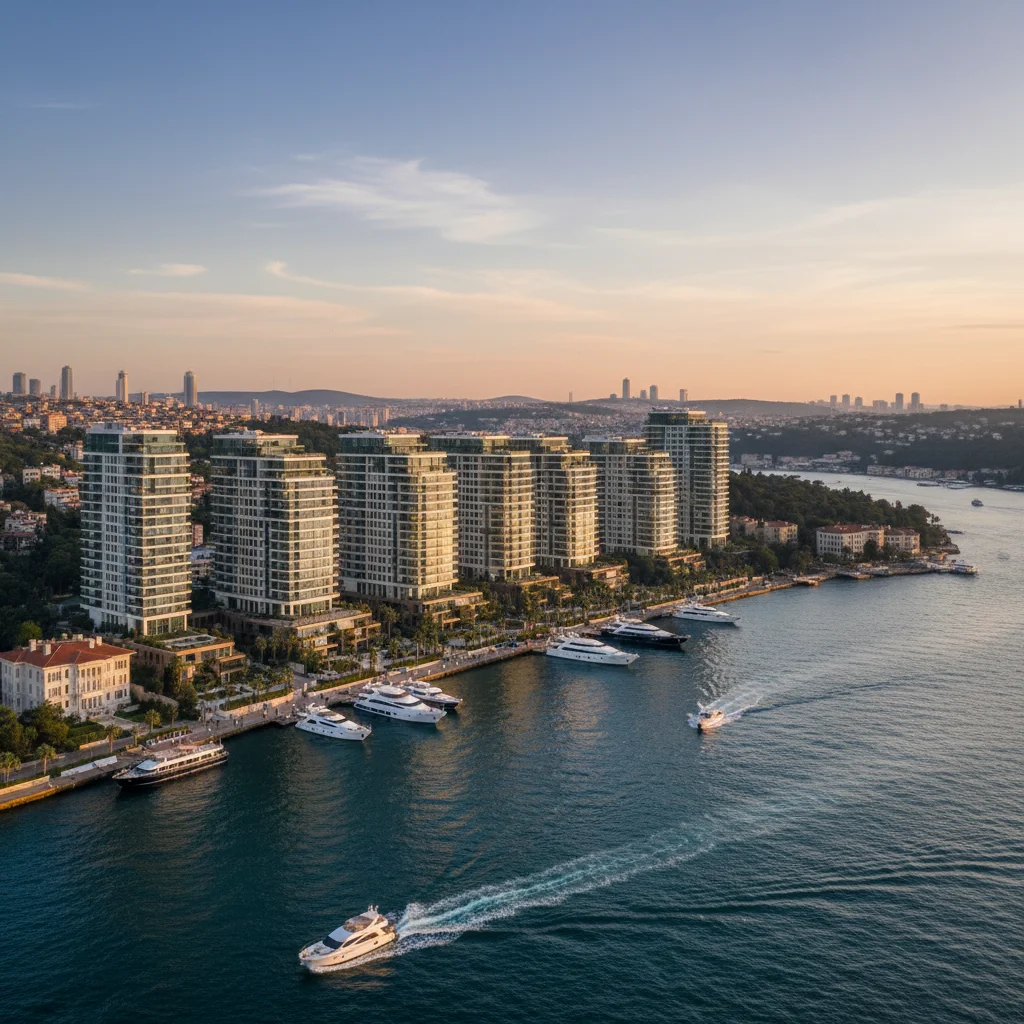
Selecting the right location in Turkey depends entirely on whether your priority is capital appreciation, steady rental yield, personal residency, or seasonal vacation use. Market performance varies significantly even between adjacent districts.
Accounting for the largest share of foreign property transactions in Turkey, Istanbul functions as a multi-hub metropolis where neighborhood selection dictates liquidity and yield.
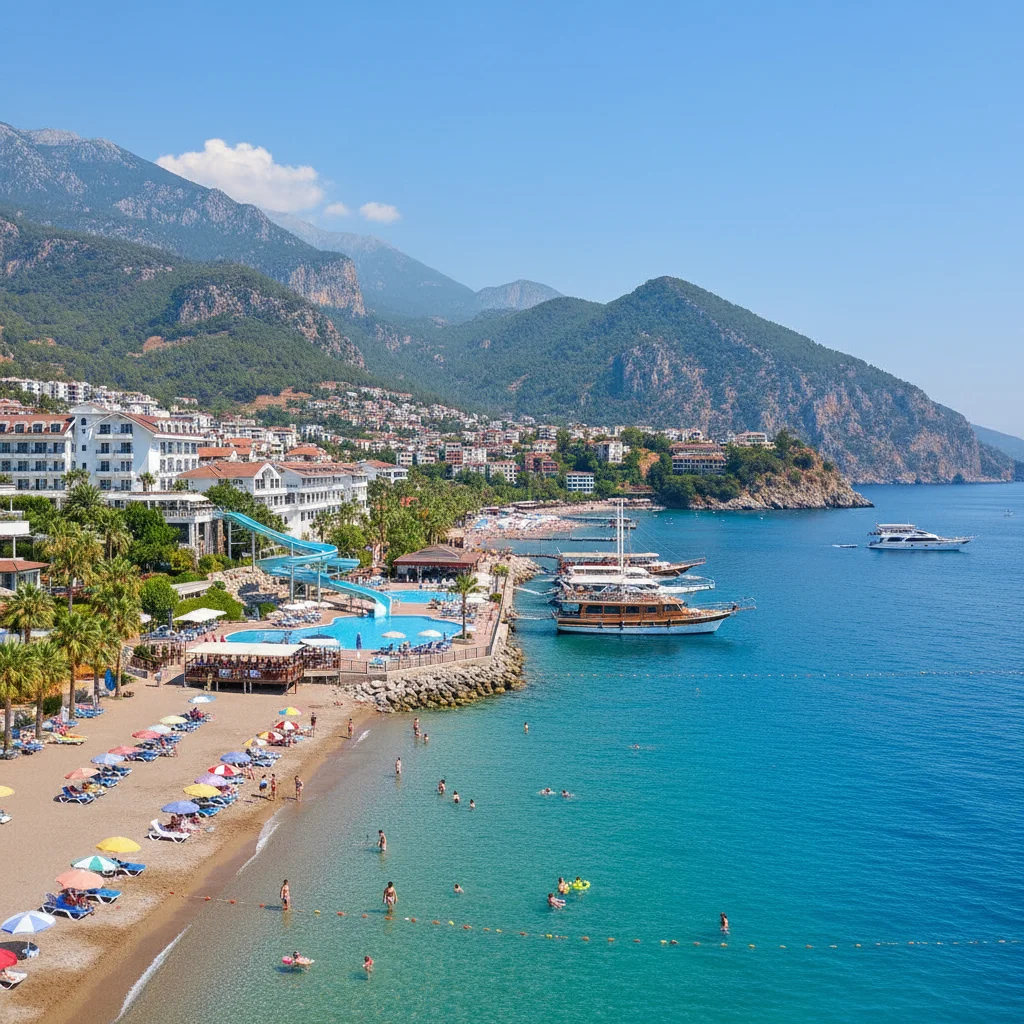
Antalya remains Turkey's undisputed tourism capital and a magnet for European, Slavic, and Middle Eastern buyers. Sub-markets such as Konyaaltı, Lara, and Belek offer resort-style residential complexes, golf communities, and strong seasonal demand. Because several central neighborhoods in Antalya have experienced heavy foreign inflows, buyers seeking a residency permit must carefully check open-district maps before committing capital.
For investors looking beyond the two primary hubs, three secondary markets stand out in 2026:
| City / Region | Primary Investor Profile | Key Demand Drivers | Typical Asset Classes |
|---|---|---|---|
| Istanbul | Capital growth and CBI investors | Corporate jobs, transit upgrades, urban renewal | High-rise residences, mixed-use towers, commercial units |
| Antalya | Lifestyle buyers and yield seekers | Year-round tourism, international airport links | Gated resort apartments, coastal villas |
| Ankara | Conservative income investors | Government, embassies, top universities | Mid-to-upper residential apartments |
| Izmir | Long-term appreciation buyers | Domestic migration, logistics, tech hubs | Modern urban flats, suburban villas |
| Bodrum | Ultra-high-net-worth buyers | Luxury marinas, prestige hospitality | Detached luxury villas, branded residences |
The Turkish real estate transaction process is centralized and relatively fast compared to many European jurisdictions—often completing within one to two weeks once funds and paperwork are aligned. Following a disciplined sequence protects you from title defects and currency compliance issues.
Before signing binding contracts or transferring funds, you must obtain a Turkish Tax Identification Number (Vergi Kimlik Numarası). This can be generated quickly online through the Interactive Tax Office or in person at a local tax office using your passport. With a tax number in hand, you can open a Turkish bank account—a crucial step for executing the mandatory foreign-currency conversion and paying ongoing utility bills and property taxes.
Never rely solely on a developer's brochure or a seller's verbal assurances. Independent legal due diligence at the Land Registry (Tapu ve Kadastro Genel Müdürlügü) and the local municipality should verify several critical details:
Turkey distinguishes between two primary types of residential title deeds. Kat Irtifaki (construction servitude) indicates a project is under development or awaiting final municipal sign-off, whereas Kat Mulkiyeti (full condominium ownership) confirms the building is completed and has received its habitation certificate (Iskan). Purchasing a property with a valid Iskan ensures utility meters can be registered legally at standard residential tariffs and prevents future municipal fines.
Your attorney or licensed advisor must inspect the title record for any mortgages (ipotek), tax liens, court injunctions (haciz), or pre-emption rights. Additionally, foreign nationals cannot purchase property inside restricted military or security zones; while most urban developments already carry prior clearance, older standalone buildings or rural plots should always be verified.
For foreign buyers, Turkish law mandates two pre-closing financial documents:
Once the DAB, appraisal report, and tax payments are uploaded to the Web-Tapu system, both buyer and seller receive an SMS appointment for the final signing at the Land Registry Directorate. If the buyer does not speak Turkish fluently, a sworn translator must attend the appointment to read the terms aloud. Compulsory Earthquake Insurance (DASK) must also be active on the unit before the deed is printed. If you cannot travel to Turkey, a notarized and apostilled Power of Attorney (Vekaletname) granted to a trusted lawyer allows the entire closing to be completed remotely.
Looking for the best real estate investment opportunity in Istanbul?
We help you choose the right property based on your budget and goals
Get a Free Consultation
Accurate underwriting requires factoring in both acquisition fees and annual holding costs. While Turkey's annual property taxes are modest by international standards, closing fees and potential value-added taxes should be budgeted upfront.
| Cost / Tax Item | Typical Rate or Amount (2026) | Notes for Foreign Buyers |
|---|---|---|
| Title Deed Transfer Fee (Tapu Harcı) | 4% of declared sales value | Legally split 2% buyer / 2% seller, though market custom often places the full 4% on the buyer in resale deals. |
| Value Added Tax (KDV / VAT) | 1%, 10%, or 20% (new builds) | Rate depends on property size, classification, and luxury status. Foreign non-residents may qualify for VAT exemption on first-hand purchases if paid in foreign currency and held for 3 years. |
| Land Registry Revolving Fund Fee | Fixed municipal fee | Paid at closing; varies slightly by region and transaction type. |
| Valuation and Translation Fees | Approx. $400 to $800 USD combined | Includes SPK appraisal report, sworn translator, and notary fees if using Power of Attorney. |
| Annual Property Tax (Emlak Vergisi) | 0.1% to 0.2% (residential) | Higher metropolitan rates (0.2%) apply in major cities like Istanbul, Ankara, and Antalya. |
| Capital Gains Tax | Progressive income brackets (15% to 40%) | Exempt if an individual holds the property for more than 5 full years before selling. |
When evaluating developer quotes on off-plan or newly completed units, always clarify whether quoted prices include VAT and whether you qualify for the foreign-currency VAT exemption. To claim the exemption, you must not hold a Turkish residence permit for more than six months in the prior year, the payment must arrive in foreign currency from abroad, and you must hold the property for three years—otherwise, the waived VAT becomes payable with interest.
Acquiring the title deed is only the first half of the investment cycle. Maximizing net returns in 2026 demands active asset management and strict compliance with Turkey's updated leasing statutes.
Turkey dramatically overhauled its short-term rental sector through Law No. 7464, which regulates residential leases of 100 days or fewer. Gone are the days when an investor could casually list any apartment on Airbnb or Booking.com without oversight. Under the current framework:
Consequently, many investors in 2026 favor either licensed serviced residences designed for tourism use or traditional annual leases (12 months or longer), which require no special tourism permit and provide predictable monthly cash flow.
Managing a Turkish property from abroad without local representation exposes landlords to tenant disputes, unpaid utility accounts, and neglected maintenance. A reputable property management firm typically charges between 8 and 15 percent of collected rent for long-term leases (and higher for licensed short-term hospitality operations) to handle:
Even experienced international investors sometimes stumble over local nuances in Turkey. Keep these practical safeguards in mind:
While Turkish banks technically offer mortgages to non-residents, high domestic benchmark interest rates and strict loan-to-value caps for foreigners mean most international investors purchase in cash or utilize interest-free installment plans directly with reputable developers.
Yes. You can execute a Power of Attorney at a Turkish consulate in your home country—or via a local notary with an Apostille stamp—authorizing an independent lawyer in Turkey to obtain your tax number, open a bank account, complete due diligence, and sign the Tapu on your behalf.
You must hold the property for three full years from the date the non-sale annotation is placed on the title deed. Once the three-year period concludes, you can request removal of the restriction and sell the property freely while keeping your Turkish citizenship for life.
Note: The market insights and regulatory information in this article were sourced from Emlak Platform, Mbany Real Estate, and Massar Istanbul.