US Dollar - USD
- Turkish Lira - TRY
- US Dollar - USD
- Euro - EUR
- Pound sterling - GBP
- Russian Ruble - RUB
- Chinese Yuan - CNY
- Georgian lari - GEL
- Saudi Riyal - SAR
- UAE Dirham - AED
- Syrian Pound - SYP
The Turkish property sector has entered a mature, structurally reformed era in 2026. Following years of hyper-inflationary hedging and sweeping monetary adjustments by the Central Bank of the Republic of Turkey (TCMB), the real estate market now presents institutional discipline alongside lucrative opportunities for private international capital. Turkey remains a primary geostrategic crossroads linking Europe, the Middle East, and Central Asia, solidifying its role as an indispensable hub for global real estate portfolios.
In 2026, foreign direct investment (FDI) into Turkish property is characterized by sophisticated investor behavior. Rather than relying solely on rapid, inflation-fueled speculative flipping, international buyers prioritize tangible rental yields, currency-indexed revenues, robust architectural compliance, and established statutory incentives such as the Turkish Citizenship by Investment (CBI) scheme and real estate-backed residence permits.
Macroeconomic normalization, stabilization of the Turkish Lira against major reserve currencies, and continuous public infrastructure expansion have reshuffled investment priorities across Turkey's metropolitan and coastal centers. Whether evaluating commercial assets in Istanbul's Central Business District, mixed-use regeneration developments along strategic transit arteries, or coastal holiday units in Antalya, investors require granular market intelligence to navigate 2026's legislative, financial, and geographic variables.
Several convergent structural drivers sustain capital appreciation and long-term liquidity across Turkey's real estate ecosystem. Identifying these catalysts allows investors to strategically balance risk and yield.
Following strict regulatory overhauls and government incentives launched over the past several years, Turkey's urban renewal initiative remains the central pillar of metropolitan property dynamics. In Istanbul, Ankara, and Izmir, municipalities have accelerated the replacement of pre-1999 buildings with earthquake-engineered, energy-efficient residential structures.
This massive urban overhaul has generated premium value appreciation for modern developments that adhere to the latest building codes (Deprem Yönetmeliği). Discerning domestic and foreign buyers systematically avoid older building stocks, driving unprecedented demand and premium valuations for newly constructed residential towers featuring verified soil surveys and comprehensive construction certifications.
Infrastructure delivery continues to redefine property sub-markets. The extensive expansion of Istanbul's driverless M11 metro line—connecting central commercial districts directly to Istanbul Airport (IST)—and the integration of high-speed rail networks (YHT) connecting Istanbul, Ankara, Bursa, and Izmir have fundamentally altered residential mobility. Neighborhoods once categorized as outer suburbs have shifted into high-demand commuter corridors, allowing early investors to realize substantial capital uplift.
The legislative framework governing short-term residential rentals (popularized by platforms like Airbnb) has reached full operational maturity in 2026. Properties rented for fewer than 100 days require formal licensing from the Ministry of Culture and Tourism, alongside unanimous consent from all property owners within the building scheme. While this policy curtailed informal vacation rentals, it significantly consolidated market share and increased yields for legally compliant, hotel-serviced branded residences (rezidans) designed specifically for short-stay hospitality management.
Turkey’s residency and naturalization avenues remain among the most competitive worldwide, functioning as primary conduits for international real estate transactions.
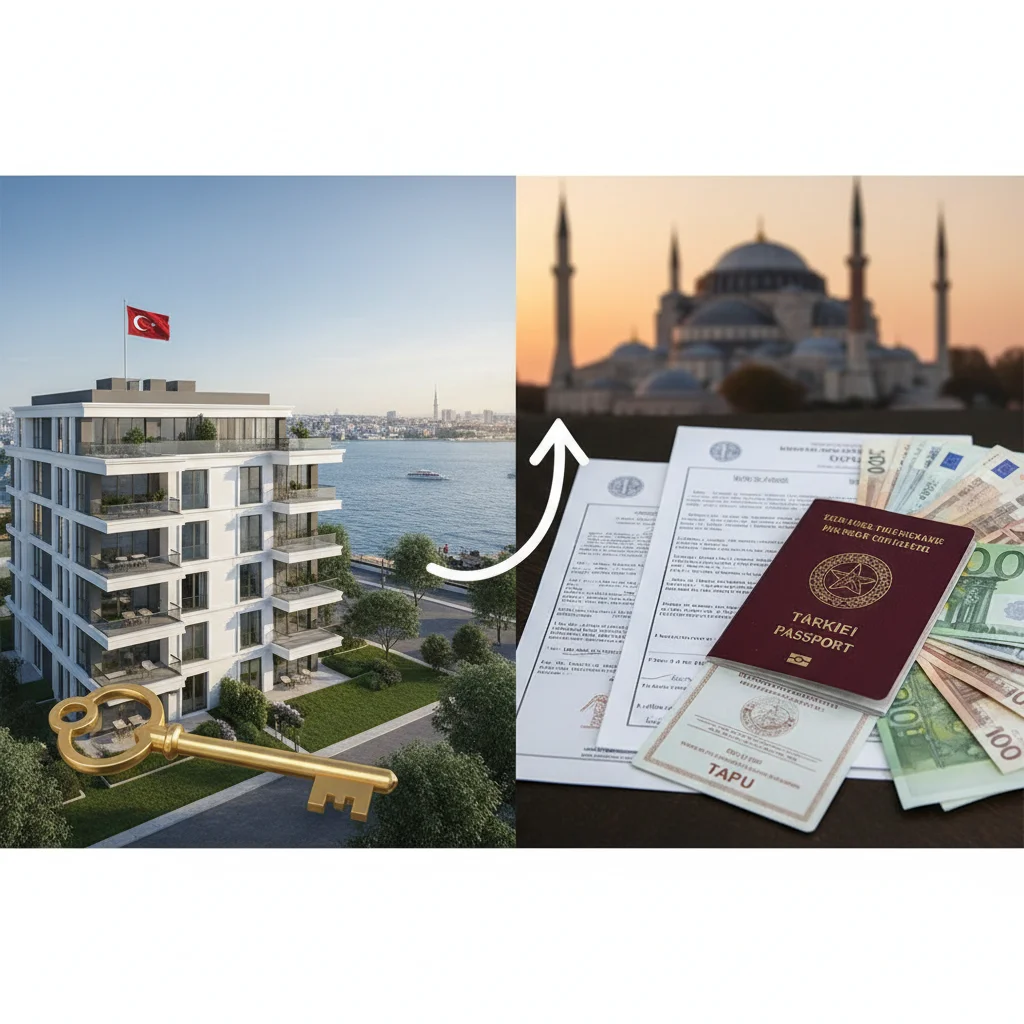
The legal framework for acquiring Turkish Citizenship through real estate acquisition mandates strict compliance with statutory benchmarks overseen by the General Directorate of Land Registry and Cadastre (Tapu ve Kadastro Genel Müdürlüğü):
For investors seeking continuous legal residency without naturalization, the entry threshold for purchasing real estate sits at a minimum valuation of $200,000 across all metropolitan municipalities. The valuation is strictly anchored to the declared sale price registered on the Title Deed (Tapu) and supported by the mandatory SPK valuation report, completely phasing out reliance on nominal municipal tax values.
Looking for the best real estate investment opportunity in Istanbul?
We help you choose the right property based on your budget and goals
Get a Free Consultation
Investment viability varies significantly by region, asset class, and tenant profile. Below is a detailed breakdown of the premier property markets in 2026.
Istanbul remains the focal point for institutional capital and high-volume residential investment. The city divides into distinct sub-markets catering to divergent investment profiles:
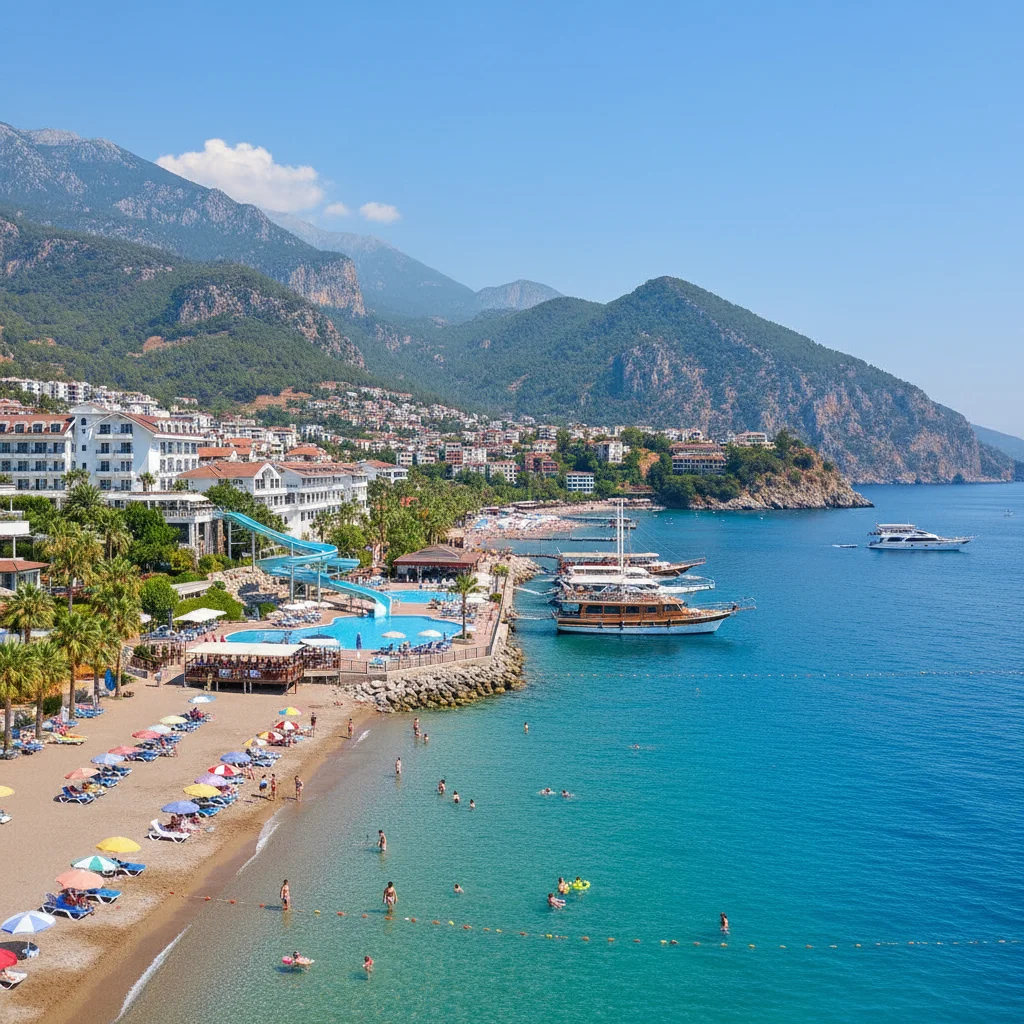
Antalya’s real estate market has transitioned from purely seasonal holiday home purchases to a diversified year-round residential economy. Districts such as Konyaaltı and Lara maintain steady demand due to restricted land availability, while Kepez provides scalable entry points for value-add renovation and medium-term capital gains. In Alanya, purpose-built lifestyle complexes featuring integrated spa facilities, private beaches, and private medical amenities cater heavily to Western and Northern European buyers.
As the nation's political capital, Ankara exhibits lower volatility compared to speculative resort hubs. Anchored by government ministries, embassies, military commands, and elite universities, districts such as Çankaya, İncek, and Çayyolu offer predictable, recession-resistant rental returns driven by long-term diplomatic and civil servant tenancies.
The Bodrum peninsula remains an internationally renowned haven for ultra-high-net-worth individuals (UHNWI). Branded residences managed by global hospitality operators (Mandarin Oriental, Aman, Ritz-Carlton) command multimillion-dollar valuations with global liquidity. Izmir, especially the coastal enclaves of Çeşme and Urla, balances sophisticated tech-sector domestic migration with European-style retirement living.
The following performance matrix compares standard investment metrics across Turkey’s core real estate territories for the 2026 calendar year:
| Location / Sub-Market | Average Gross Rental Yield (%) | Projected 5-Year Capital Growth | Primary Tenant Demographic | Optimal Investment Strategy |
|---|---|---|---|---|
| Istanbul (Central CBD) | 5.5% – 7.0% | High / Moderate Stability | Corporate Executives, Expats | Capital Preservation & Branded Units |
| Istanbul (Growth Corridors) | 6.5% – 8.5% | Very High | Young Professionals, Students | Off-Plan Entry & Long-Term Appreciation |
| Antalya (Coastline / Resorts) | 7.0% – 9.5% | Moderate / Seasonal Highs | International Tourists, Digital Nomads | Licensed Short-Term Rental Schemes |
| Ankara (Çankaya / Diplomatic) | 6.0% – 7.5% | Consistent / Low Volatility | Diplomats, Civil Servants, Academics | Low-Risk Buy-to-Let Residential |
| Bodrum Peninsula (Luxury) | 4.5% – 6.0% | High (UHNW Driven) | Seasonal Ultra-Wealthy, Foreign Elites | Ultra-Luxury Branded Holiday Villas |
Property acquisition in Turkey is one of the world's most streamlined legal processes when conducted through licensed legal counsel and regulated agencies. The full transaction sequence is structured as follows:
Identify properties that match clear financial targets. Verify that the asset has full freehold title (Kat Mülkiyeti) and holds a valid habitation certificate (İskan). Properties lacking an İskan can incur administrative penalties and complicate resale liquidity.
The investor obtains a Foreigner Tax Identification Number (Vergi Kimlik Numarası) from any local tax office or via the interactive tax portal (GİB). A Turkish corporate or personal bank account is opened to facilitate inbound capital, ensuring clear international money-transfer tracking.
By statutory mandate, an independent, Capital Markets Board (SPK) registered valuer must assess the property. The resulting appraisal report calculates the objective market price and cross-checks building permits, municipal debt records, and cadastral maps.
The purchasing capital must be remitted to the buyer’s Turkish account in foreign currency. The commercial bank processes the funds through the TCMB to issue the official Döviz Alım Belgesi (DAB), certifying the exact legal conversion into Turkish Lira for property acquisition.
The formal transfer takes place at the local Land Registry office. Both parties sign the permanent deed in the presence of an official registrar (and a sworn translator if the foreign buyer is non-Turkish speaking). The transfer tax (Tapu Harcı), set at 4% of the declared transaction value, is settled alongside standard administrative processing fees.
Looking for the best real estate investment opportunity in Istanbul?
We help you choose the right property based on your budget and goals
Get a Free Consultation
Profitable real estate investment extends beyond transaction completion. Operating overheads, statutory taxation, and ongoing property management determine net investment return.
Following the expiration of temporary historical rent caps, rent adjustment mechanisms in Turkey are firmly anchored to the rolling 12-month average Consumer Price Index (TÜFE). Lease agreements should be formalized via authorized notary publics and include executed eviction undertakings (Tahliye Taahhütnamesi) executed after the commencement of the tenancy. This legal instrument provides owners transparent recourse should tenants breach contractual terms.
While the Turkish real estate market offers profound upside, investors must implement precise risk controls to safeguard their portfolio:
Real estate investment in Turkey in 2026 represents a calculated balance of geographic diversification, asset security, and steady yields. As urban regeneration accelerates and international demand aligns with established legal and financial processes, foreign buyers equipped with disciplined market insight can secure sustainable capital appreciation and steady income streams across Turkey’s vibrant real estate landscape.
Market intelligence, legal analysis, and transactional data in this guide were compiled with insights sourced from industry partners: Emlak Platform, Mbany Real Estate, and Massar Istanbul.