US Dollar - USD
- Turkish Lira - TRY
- US Dollar - USD
- Euro - EUR
- Pound sterling - GBP
- Russian Ruble - RUB
- Chinese Yuan - CNY
- Georgian lari - GEL
- Saudi Riyal - SAR
- UAE Dirham - AED
- Syrian Pound - SYP
Turkey’s luxury real estate sector has undergone a profound transformation leading into 2026. Global high-net-worth investors, expatriates, and lifestyle buyers are increasingly targeting private residential villas. While cash transactions remain prevalent, off-plan and under-construction villas offering structured installment payment plans have emerged as the premier mechanism for wealth preservation and capital growth. Purchasing villas for sale in Turkey with installments (commonly searched across international markets as فلل للبيع في تركيا بالتقسيط) allows buyers to secure prime real estate assets without liquidating substantial liquidity reserves upfront.
The macroeconomic dynamics driving this trend center on developer-backed financing models. Unlike conventional banking institutions that mandate strict underwriting criteria and high cross-border mortgage interest rates for foreign nationals, leading Turkish construction firms offer zero-interest, direct financing schedules. This financing model democratizes access to detached family homes, beachfront estates, and private gated compounds across strategic hubs including Istanbul, Bodrum, Antalya, Fethiye, and Sapanca.
Furthermore, purchasing real estate on an installment schedule aligns with foreign capital management strategies. It permits buyers to leverage phased payments over 12 to 60 months while capitalizing on the organic market appreciation of the property during its development lifecycle. Whether your objective is acquiring a generational family retreat, generating yield through ultra-luxury holiday rentals, or obtaining Turkish Citizenship by Investment (TCBI), navigating the installment landscape requires a precise understanding of contractual frameworks, title transfer mechanics, and financial parameters.
Direct developer installment plans in Turkey provide a streamlined, non-bureaucratic alternative to standard retail bank mortgages. In 2026, foreign buyers rarely rely on Turkish retail mortgages due to currency volatility differentials, regulatory hurdles, and stringent loan-to-value (LTV) limits imposed on non-residents. Instead, off-plan private developers fulfill the role of the creditor.
The standard architectural framework for an installment-based purchase typically adheres to the following milestones:
| Metric / Parameter | Direct Cash Purchase | Developer Installment Plan |
|---|---|---|
| Immediate Discount Potential | 8% to 15% off official list price | List price baseline (minimal upfront discount) |
| Capital Efficiency | Low (requires immediate full capital allocation) | High (distributes capital over 12 to 60 months) |
| Interest Surcharge | 0% | 0% across standard developer schedules |
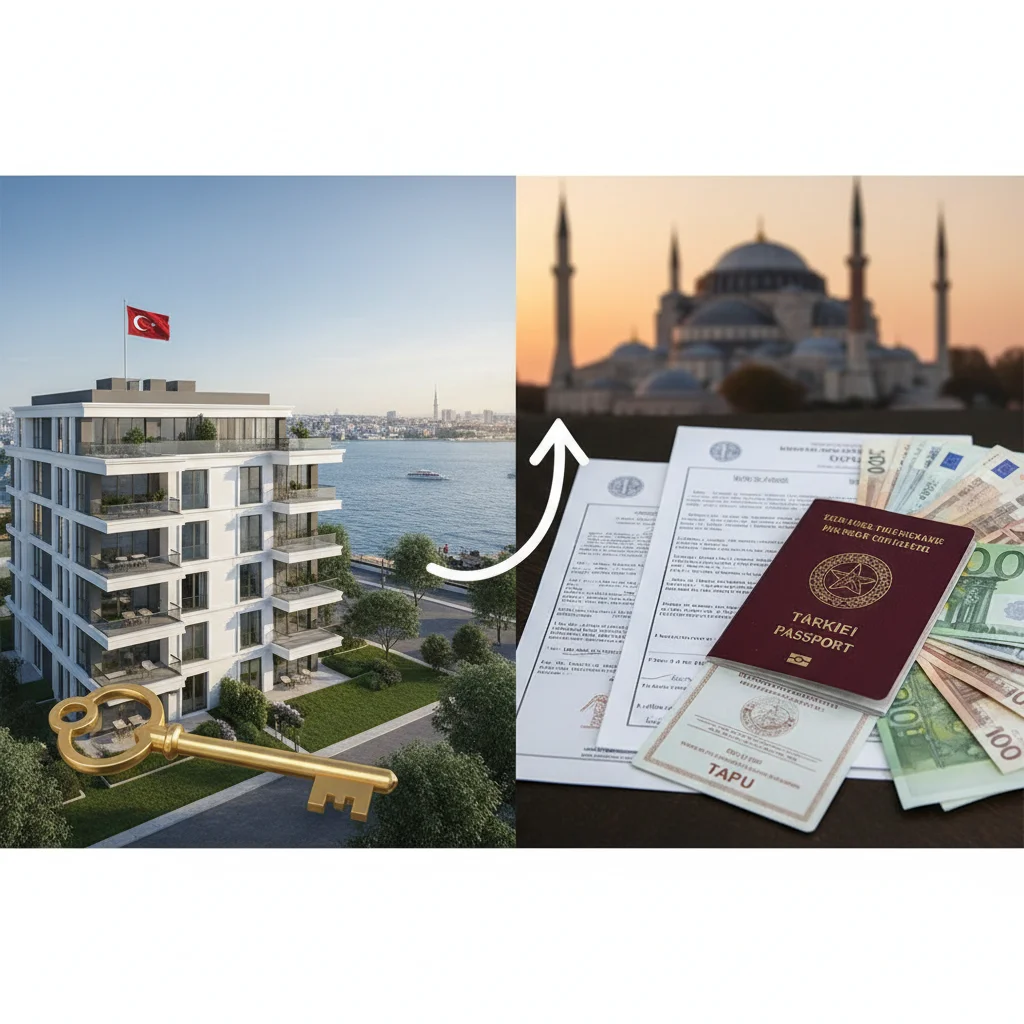
| Title Deed Delivery (Tapu) | Immediate upon title clearance | Upon completion of all payments, or via formal mortgage lien (İpotek) |
| Citizenship Eligibility Timing | Immediate (once $400k threshold verified) | Upon down payment exceeding $400k (via Notarized Contract) or final payoff |
Looking for the best real estate investment opportunity in Istanbul?
We help you choose the right property based on your budget and goals
Get a Free Consultation

Geography plays a decisive role in pricing, rental yields, lifestyle amenities, and capital appreciation rates. Turkey’s diverse real estate topography offers distinctly varied environments suited for installment investments.
Istanbul remains the epicenter of high-end real estate in Turkey. The market for standalone villas is focused primarily along coastal corridors and tranquil, forested outer suburbs:
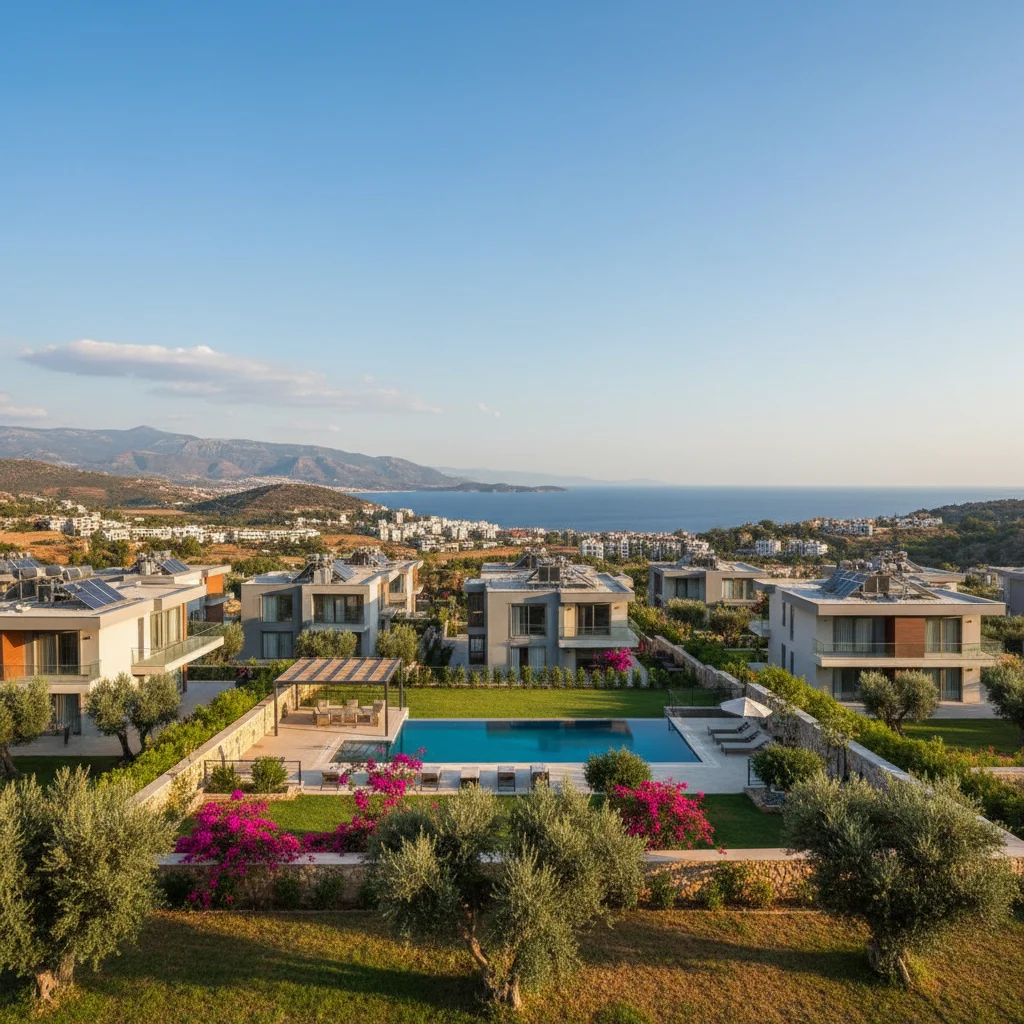
Bodrum is synonymous with bespoke architecture, private docks, and elite marina lifestyle. The peninsula is governed by strict municipal zoning ordinances that limit building heights and plot ratios, protecting the scarcity value of real estate.
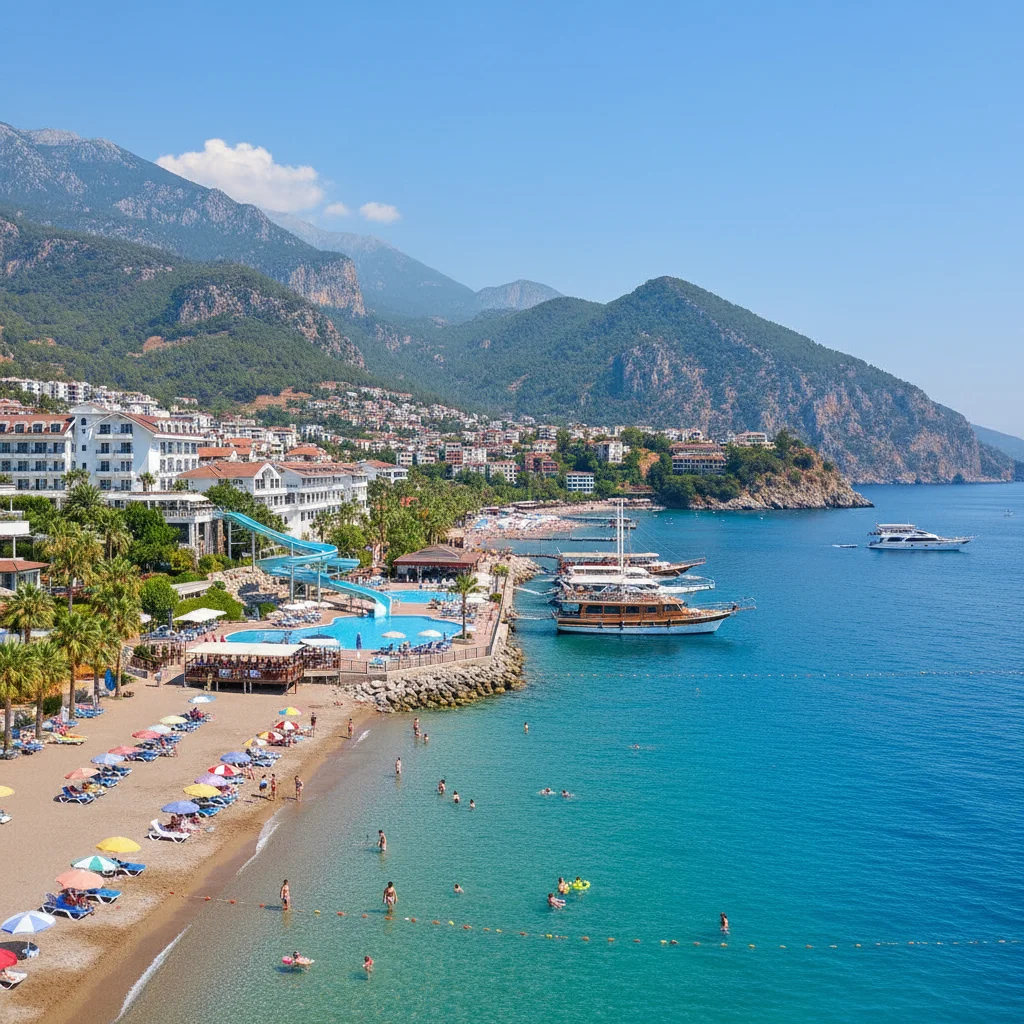
Antalya provides an enviable combination of international airport access open year-round, exceptional healthcare infrastructure, and a sunny climate exceeding 300 days per year.
These regions feature dramatic cliffside topography and turquoise seas. Villas in Kalkan and Fethiye are engineered primarily for the short-term luxury rental sector, generating double-digit gross yields during peak summer months. Flexible off-plan installment plans allow investors to spread payments over the winter construction cycle and capture strong rental yields upon delivery.
Acquiring Turkish Citizenship through real estate acquisition remains one of the world's most sought-after economic migration pathways. However, executing an installment acquisition while pursuing the TCBI program requires strict adherence to Turkish statutory regulations.
Under current Turkish citizenship regulations (valid through 2026), an investor must invest a minimum valuation of $400,000 USD (or the foreign currency equivalent) into Turkish real estate. When acquiring via an installment plan, the application strategy depends on how the transaction is legally finalized:
If the villa is under construction and the title deed cannot be issued immediately, foreign buyers can utilize a Notarized Preliminary Contract of Sale. To qualify for citizenship under this mechanism:
Certain high-tier developers agree to transfer the official title deed (Tapu) upon receipt of an initial down payment (e.g., 50%), while simultaneously registering a formal legal mortgage (İpotek) against the title deed for the outstanding balance. Under this structure:
Looking for the best real estate investment opportunity in Istanbul?
We help you choose the right property based on your budget and goals
Get a Free Consultation

Investing in off-plan villas on installment terms offers significant financial leverage, but it inherently introduces project execution risks. Foreign investors must enforce thorough legal diligence through licensed real estate legal counsel prior to executing binding commitments or transferring funds.
Before disbursing any earnest money or down payments, verify the following legal prerequisites:
Under Article 237 of the Turkish Code of Obligations and relevant provisions of the Land Registry Law, preliminary promises to sell real estate are legally null and void if executed via simple, uncertified private contracts. For an off-plan installment contract to be legally enforceable against third parties, it must be drafted, signed, and sealed before a registered Turkish Notary Public. An enforceable contract must include:
When modeling cash-flow allocations for an installment villa acquisition in Turkey, buyers must anticipate secondary operational expenses and statutory municipal levies.
| Expense Category | Statutory Rate / Approximate Cost | Payment Timing / Allocation |
|---|---|---|
| Title Deed Transfer Tax (Tapu Harcı) | 4% of the official declared property valuation | Typically split 2% / 2% by custom, but often allocated entirely to the buyer in commercial developer contracts. Due upon title deed issuance. |
| Value Added Tax (KDV) | 1% to 20% (depending on residential surface area and zoning status) | Included in developer invoices or settled incrementally with installment tranches. Foreign buyers may qualify for full KDV exemption if conditions are met. |
| Notary Registration Fees | 1% to 1.5% of total contract value | Payable upon formal execution of the preliminary contract of sale at the notary office. |
| Real Estate Appraisal Report (Ekspertiz) | $300 – $600 USD | Mandatory for all foreign real estate transactions; executed via CMB-licensed appraisal surveyors prior to deed transfer. |
| Legal & Conveyancing Fees | 1% to 2% of asset value | Retained legal counsel for title verification, contract negotiation, and citizenship execution. |
| Utility Subscriptions & DASK | $300 – $700 USD total | Mandatory Earthquake Insurance (DASK), electrical, water, natural gas, and telecommunications metering setups. |
Under Turkish VAT law (Law No. 3065, Article 13/i), foreign natural persons who are not tax residents in Turkey and do not hold residence permits in the country may be eligible for a complete Value Added Tax exemption on their first residential purchase, provided that:
Acquiring a villa in Turkey with an installment plan unlocks compounding capital appreciation over the course of the construction cycle. Typically, buying at ground-breaking (pre-launch phase) affords pricing discounts of 25% to 40% compared to completed, turnkey market equivalents in the same micro-location.
As construction progresses past foundational excavation, structural framing, exterior cladding, and infrastructure hookups, the developer incrementally raises list prices across sequential project phases. An investor executing on a 36-month installment contract captures this upward price trajectory while funding the asset incrementally, significantly enhancing the return on invested capital (ROIC).
Once delivery occurs, owners can activate diverse yield-generating profiles:
Yes. Developer-financed installment plans do not require a local Turkish bank mortgage. You can wire your scheduled payments directly from your overseas bank account to the developer's corporate banking account. However, opening a local Turkish bank account is recommended for managing utility connections, tax payments, and property maintenance fees.
Standard developer installment schedules spanning 12 to 36 months are typically offered with 0% interest. However, if a buyer requests extended terms (such as 48 to 60 months), developers may apply a nominal indexation or flat financing charge to compensate for inflation and opportunity cost.
Default terms are explicitly governed by the notarized sales contract. Typically, contracts provide a 30 to 60-day grace period subject to default interest charges (usually 1% to 2% monthly). Persistent non-payment may entitle the developer to terminate the contract, retain a pre-agreed contractual penalty fee, and refund the remaining balance to the buyer pursuant to statutory provisions.
Yes, provided the contract permits the "Assignment of Contract" (Sözleşme Devri). In this scenario, a new buyer assumes your contractual rights and obligations, reimbursing you for your accrued equity and negotiated capital gain. Most developers charge a modest administrative contract assignment fee (typically 1% to 3%) to process the documentation.
Generally, no. The Land Registry issues the Title Deed once the property is 100% paid off. However, in select projects, developers may issue the Title Deed early with an attached mortgage lien (İpotek) in their favor, which is cleared immediately once your final installment payment clears.
Information sourced and curated in accordance with regulatory real estate frameworks via industry intelligence from Emlak Platform, legal and market advisories from Mbany Real Estate, and property portfolio data from Massar Istanbul.